BIRD'S-EYE VIEW


November 21, 2023

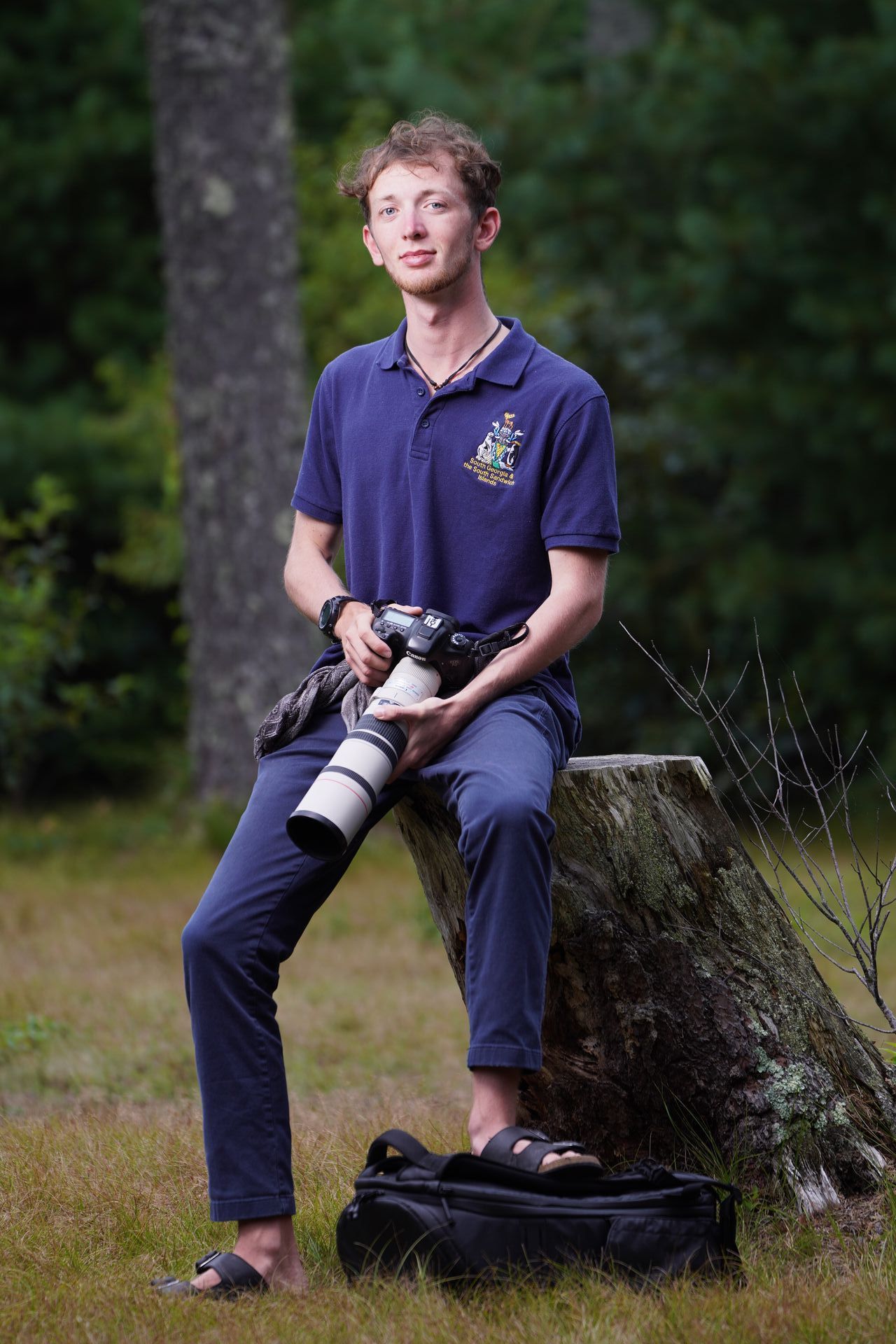
Skyler Kardell has traveled the world in search of rare birds.

story by JohnCarl McGrady

photography by Kit Noble and Skyler Kardell

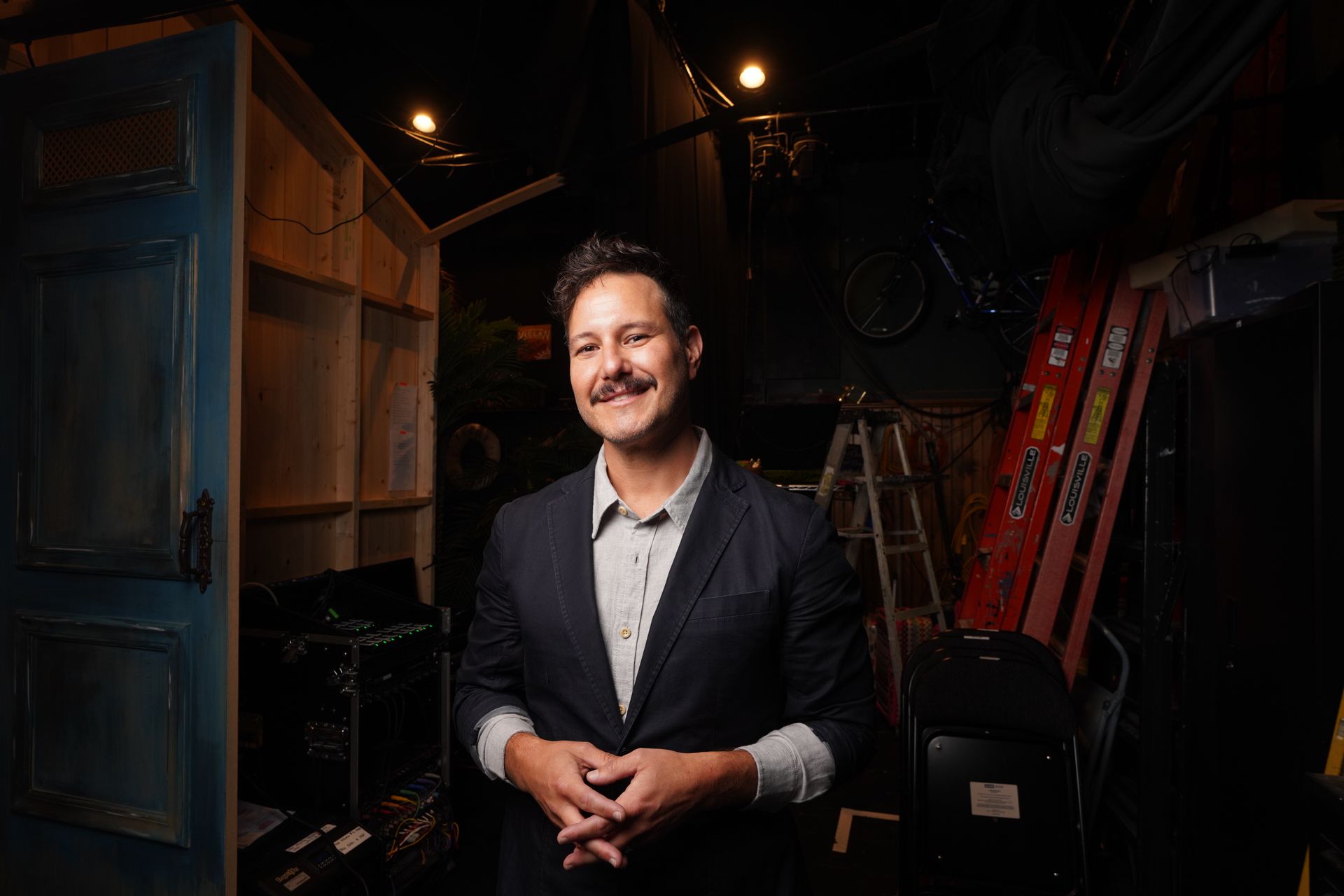
Standing in an empty church in the abandoned whaling port of Grytviken on the island of South Georgia, lashed by Antarctic winds and the salt of a freezing ocean, Skyler Kardell felt a supernatural presence. He could only compare it to the mysterious fourth man who haunts the pages of the diary Ernest Shackleton wrote while fleeing across the Antarctic ice from the wreck of the Endurance. Coincidentally, Shackleton was also buried at Grytviken.
Kardell, a 21-year-old college student who grew up on Nantucket, came to Grytviken, one of the ports closest to Antarctica, for the same reason he goes almost everywhere: birds. The research vessel he was working on was tasked by the National Science Foundation with studying the effects of global warming on seabird populations in the Antarctic and the krill they eat, and it was the birds that drew Kardell in. From a deer refuge in the Florida Keys to the Scottish Highlands, Kardell has traveled the world in search of birds, driven by an obsession not unlike Shackleton’s insatiable desire to cross the Antarctic ice.

“I think it’s very noble to say you’re going out [birding] to see birds in their natural habitat, but I can’t say that’s why I do it,” Kardell says. “I do it because I’m a competitive individual, and I’m someone who obsesses a lot about perfecting my craft.”
That’s not the only reason Kardell enjoys birding. He started because of a desire to understand the natural beauty of Nantucket and see the world from a new perspective, and those motivations still drive him today. There is a special kind of connection to nature that can only be formed by endless hours searching through its darkest corners and highest branches for an elusive species or the origin of a distant song. Birding also gives Kardell access to a vast network of experts who have spent their lives studying the natural world, and he values their wisdom as highly as any rare bird. But it is the obsession that has allowed Kardell to become so good at what he does.
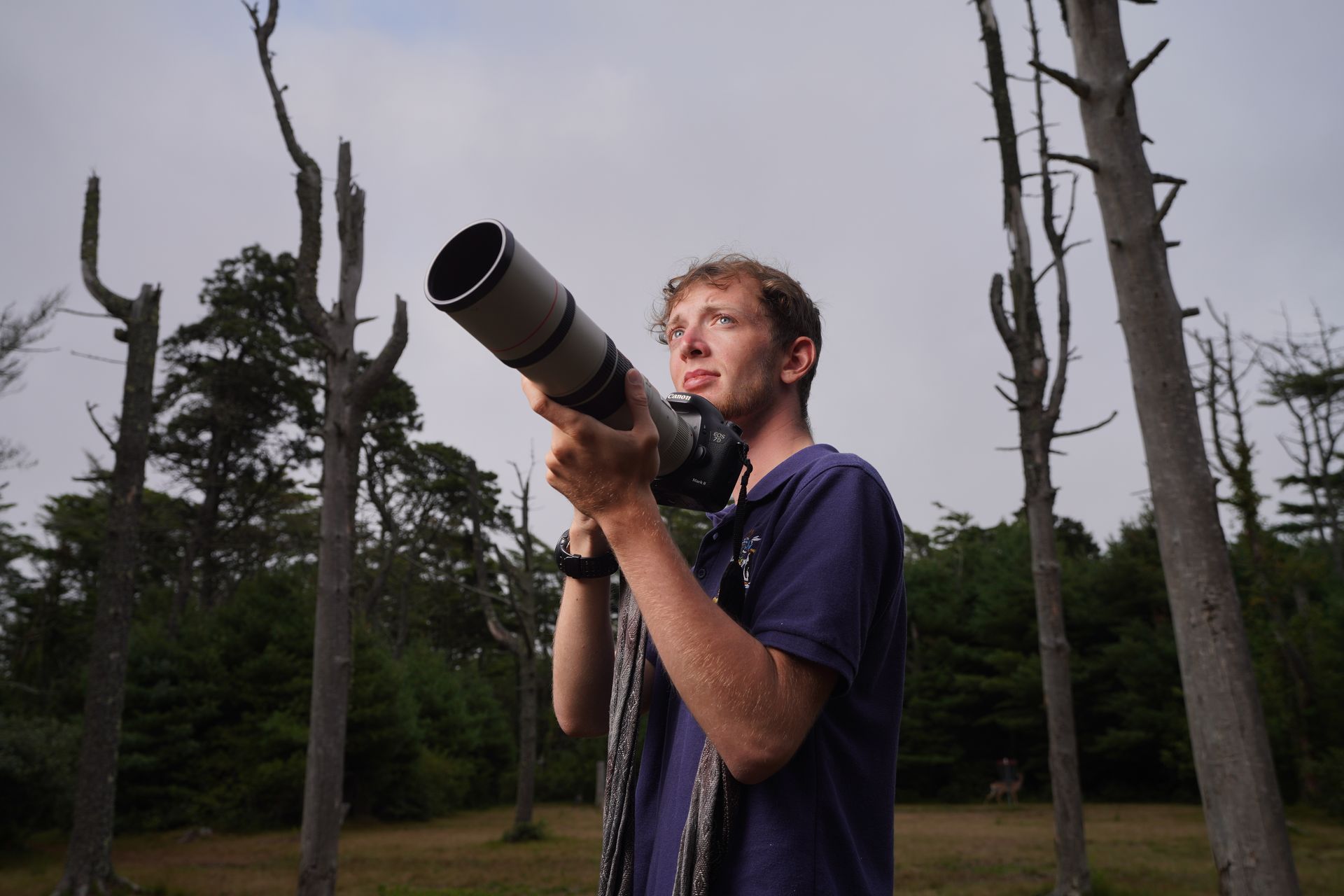
That obsession led Kardell to spend the bulk of the pandemic isolated on Tuckernuck, monitoring shorebirds for the Trustees of Reservations and trudging through the mists that roll in from the Atlantic, at times speaking to no one for days. “It was totally transformative,” he says.


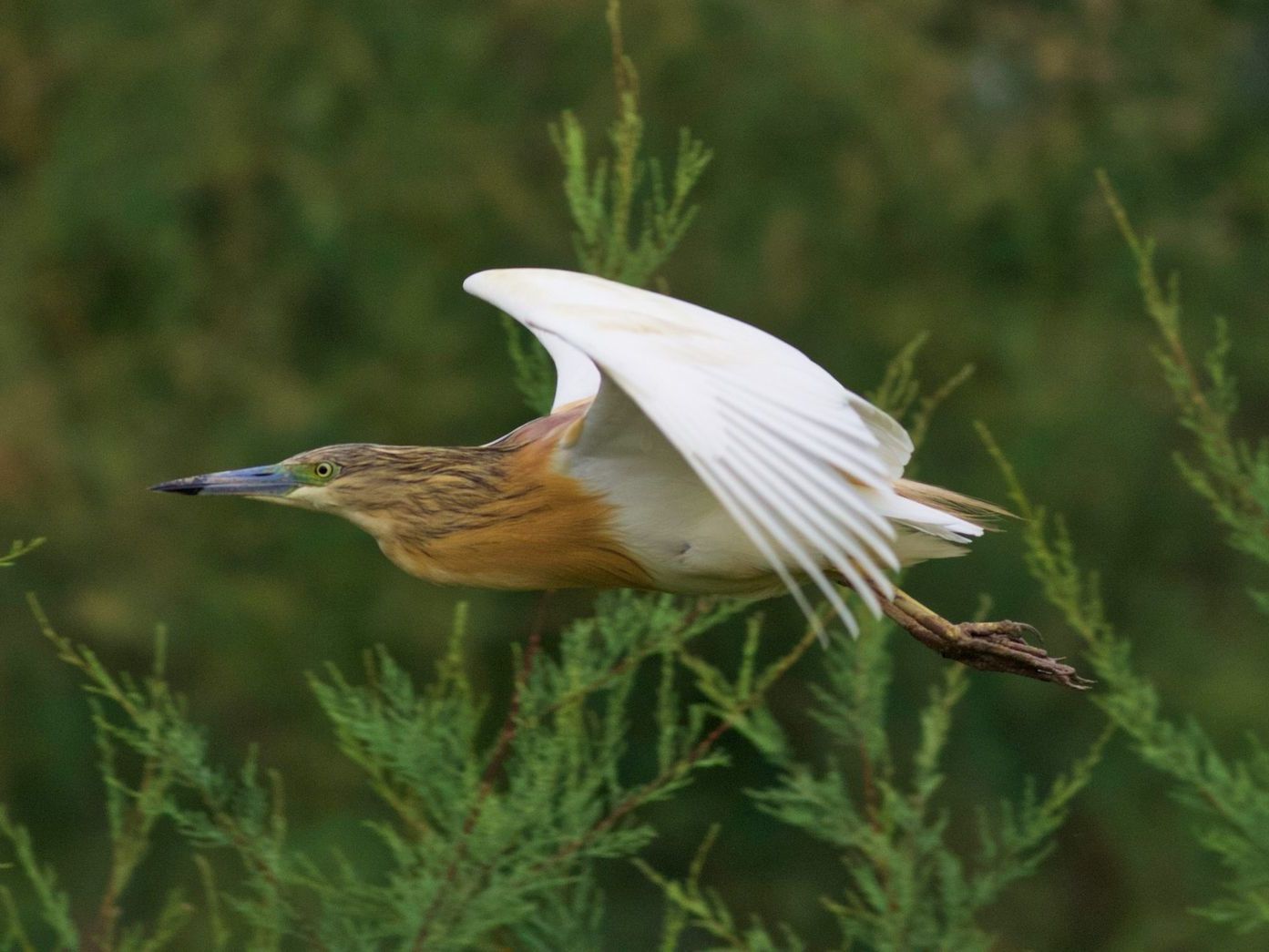
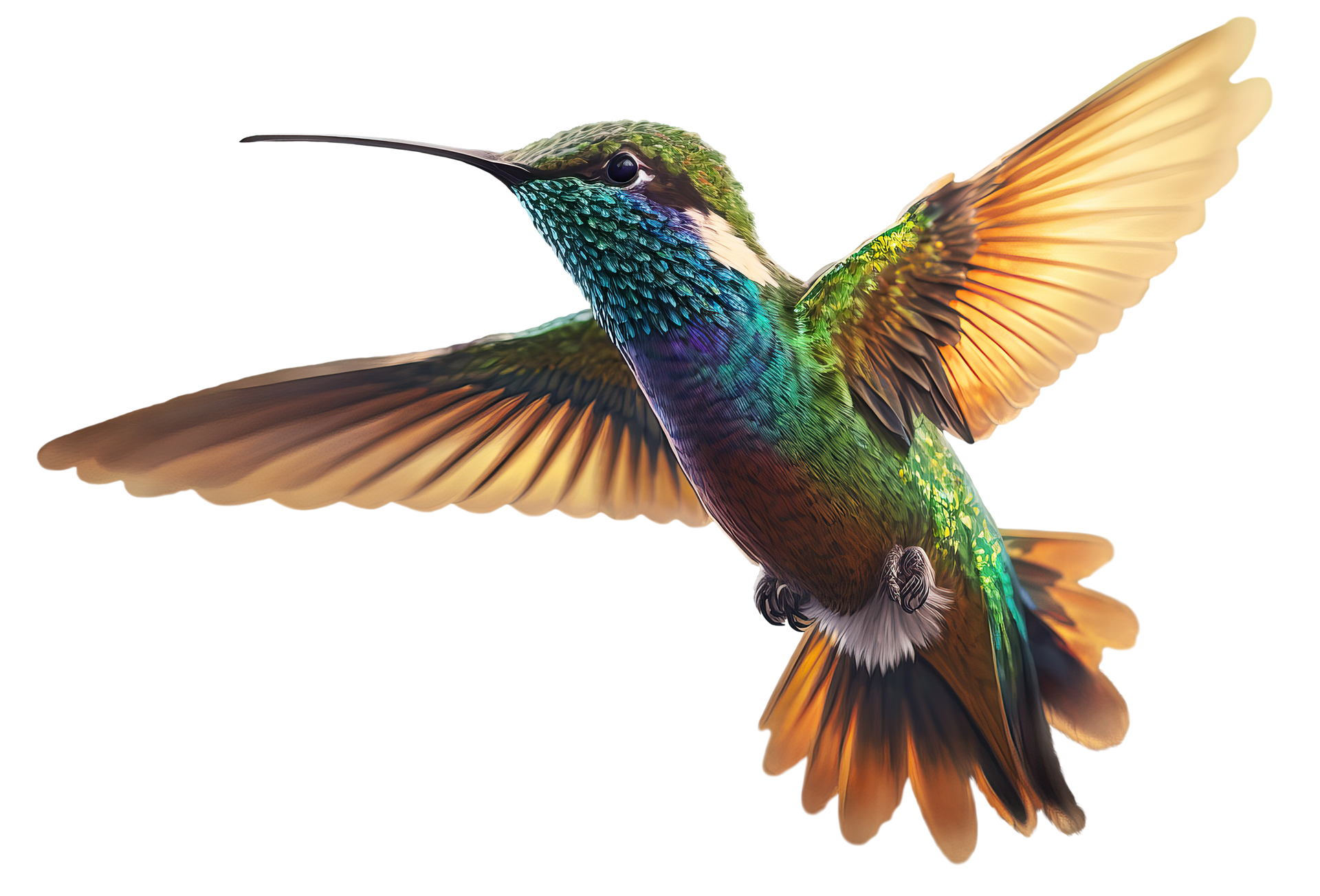
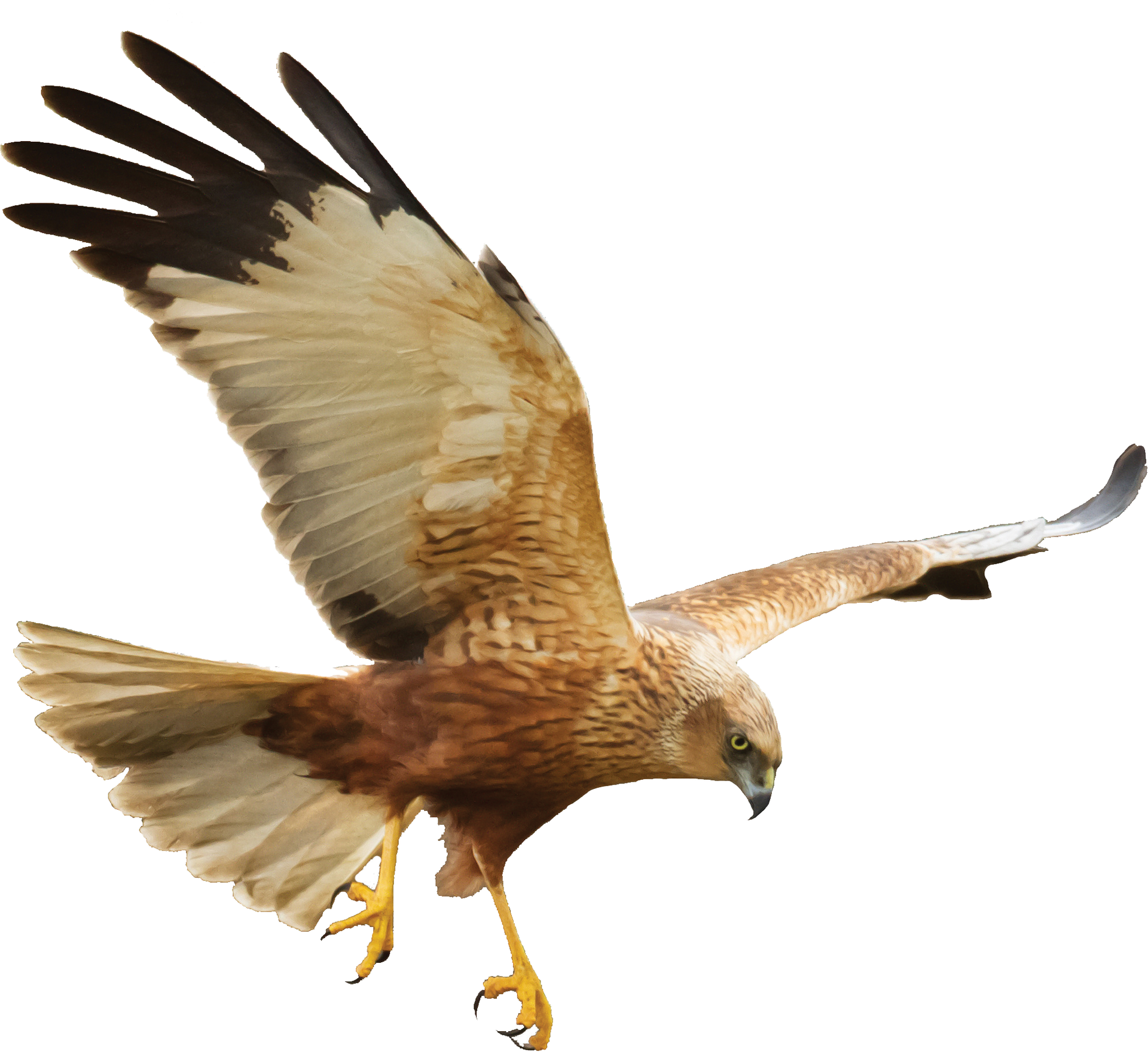
During his residence on Tuckernuck, Kardell drew national attention when he photographed the first gray heron ever documented in the contiguous United States. The photograph of the bird, wings spread in flight as it swooped low over the distant island of Muskeget, was featured in National Geographic. But Kardell remembers the day spent chasing the heron across the water for another reason.

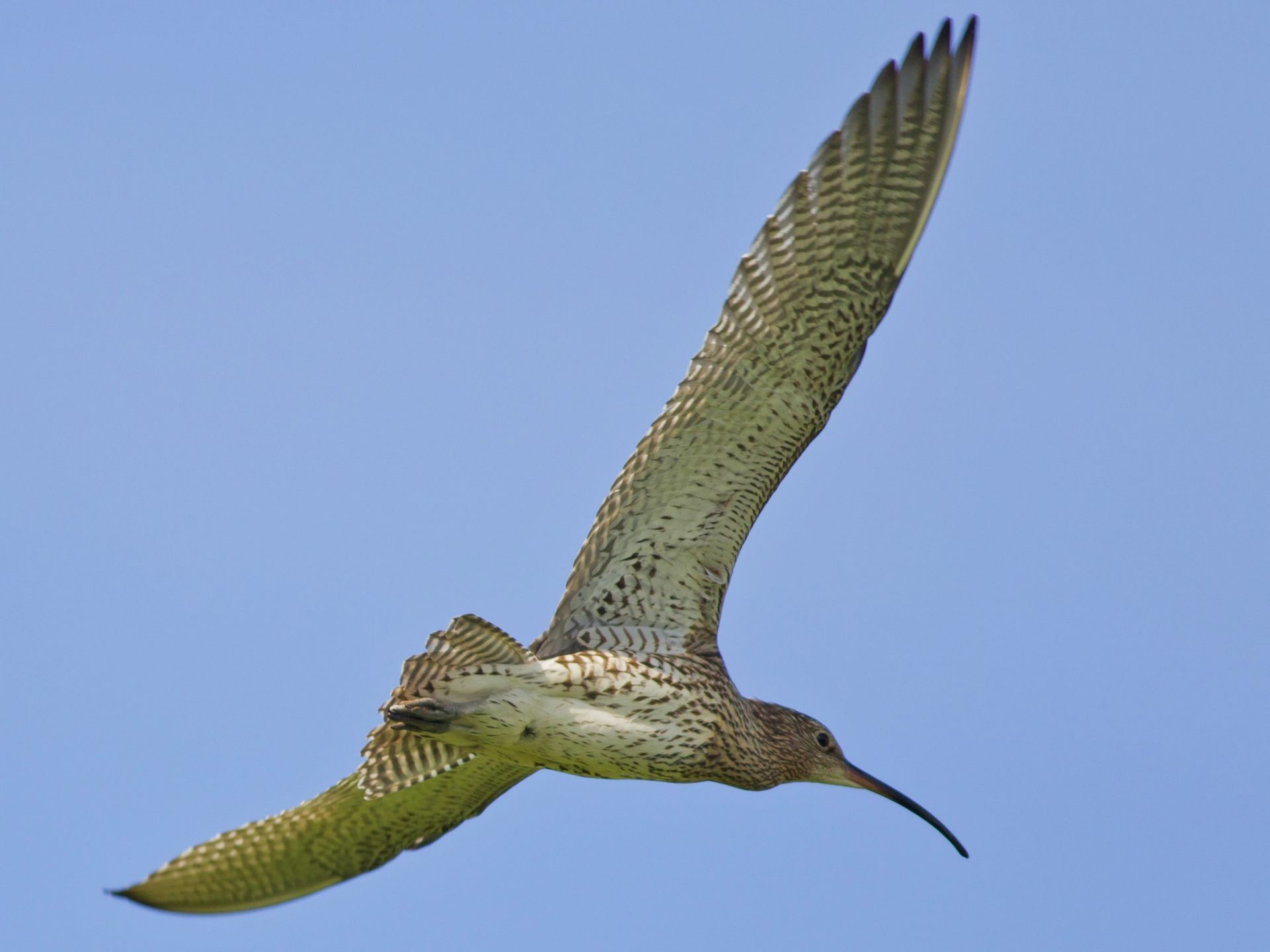
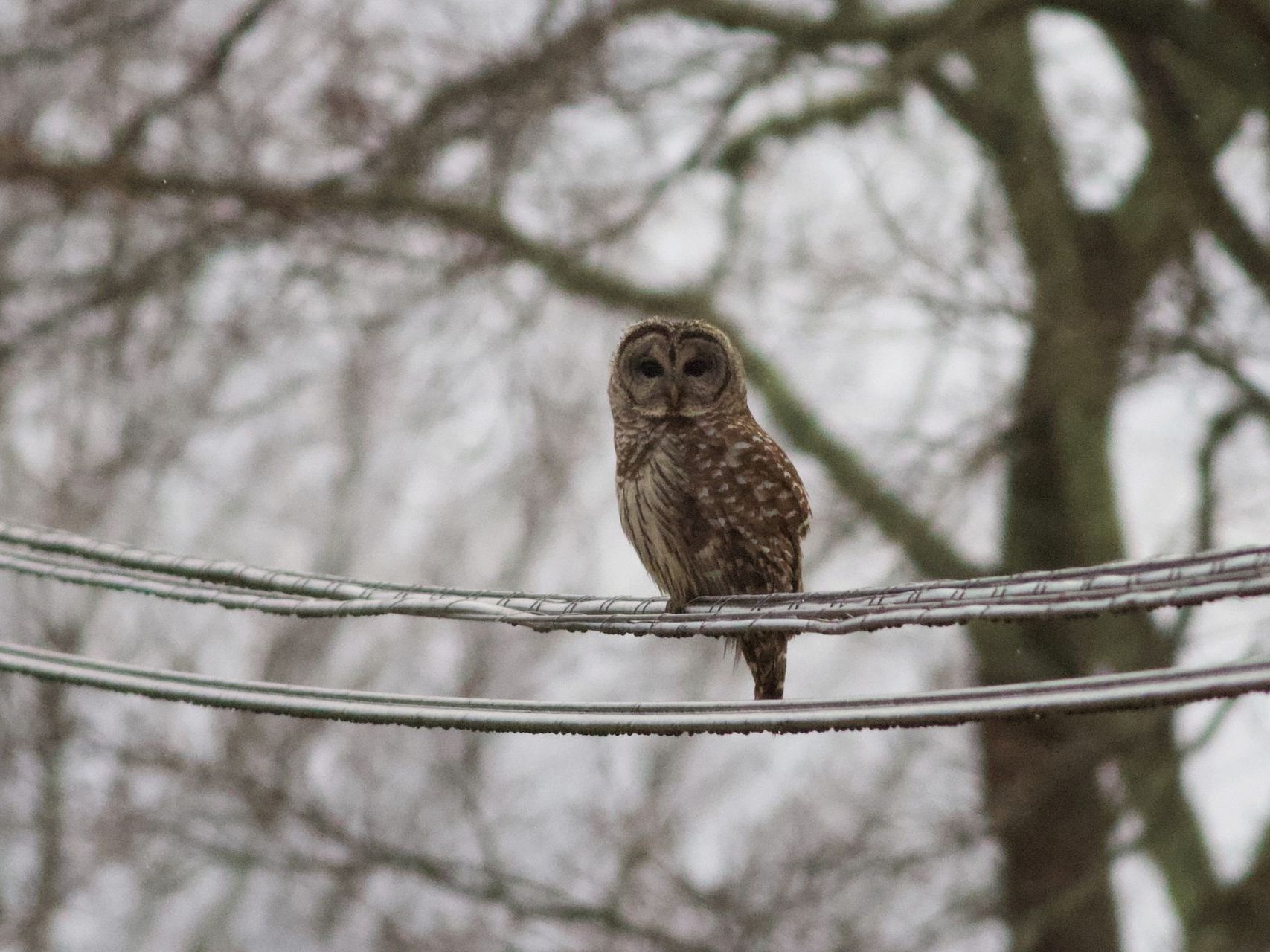
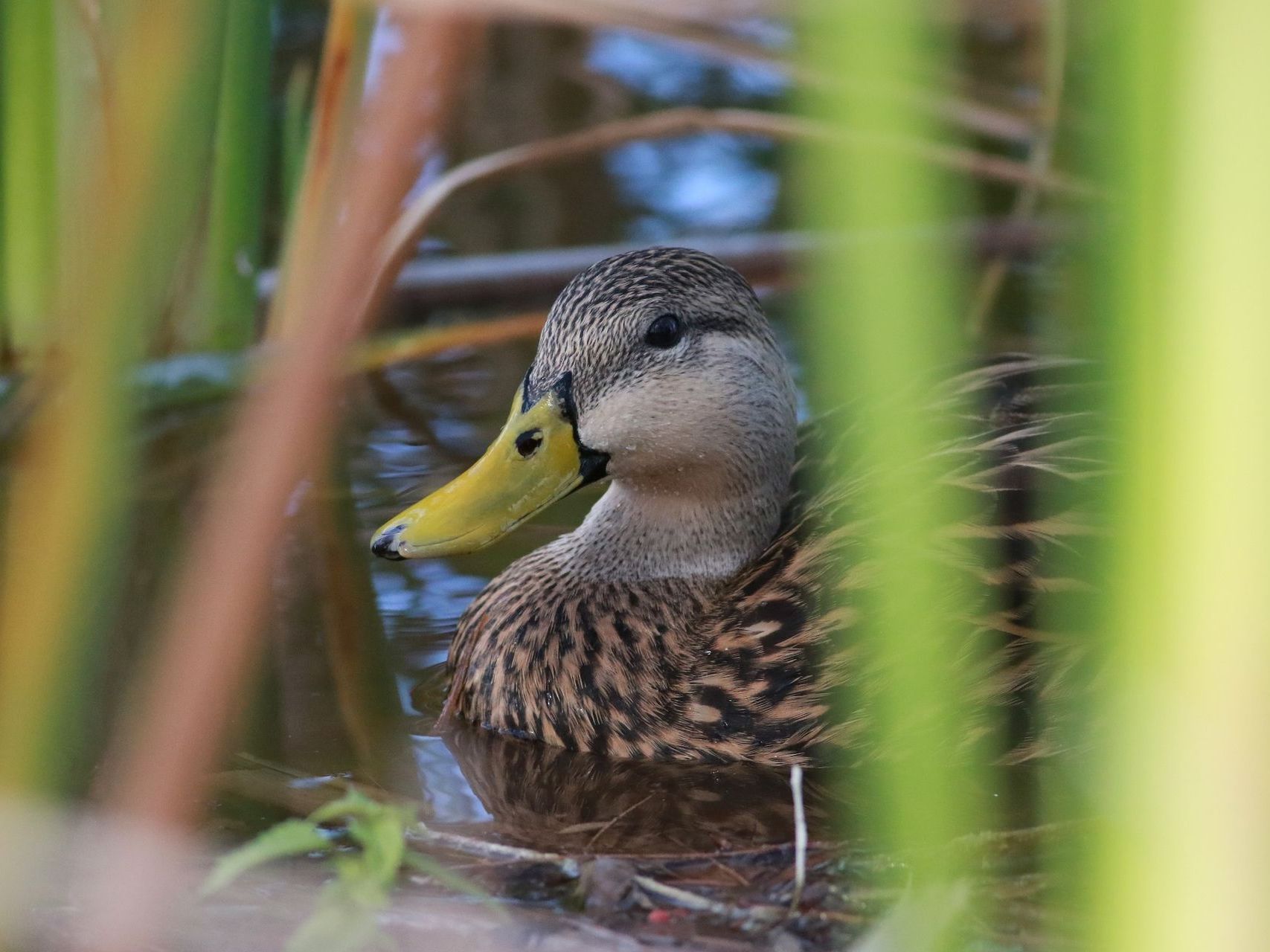
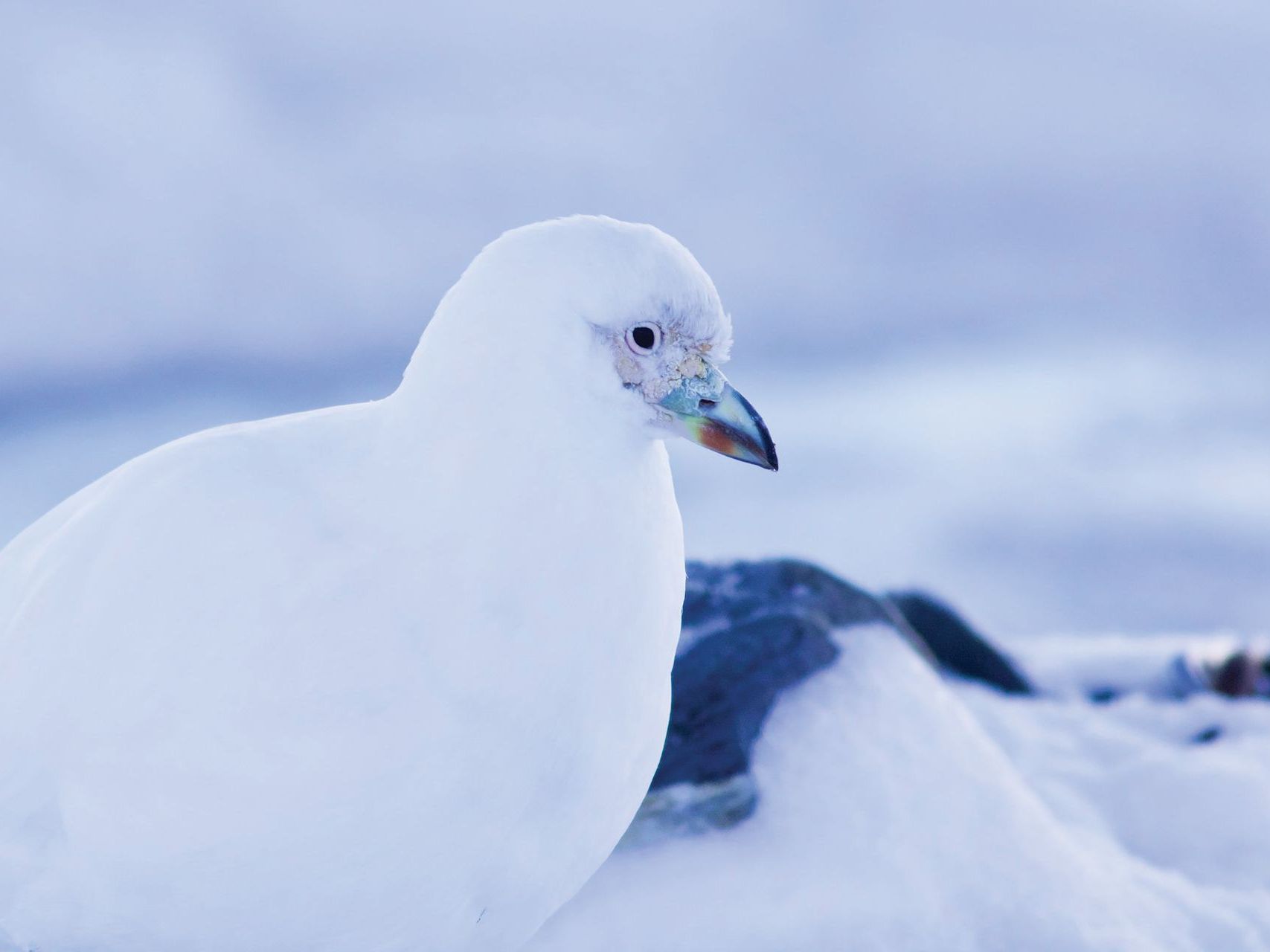
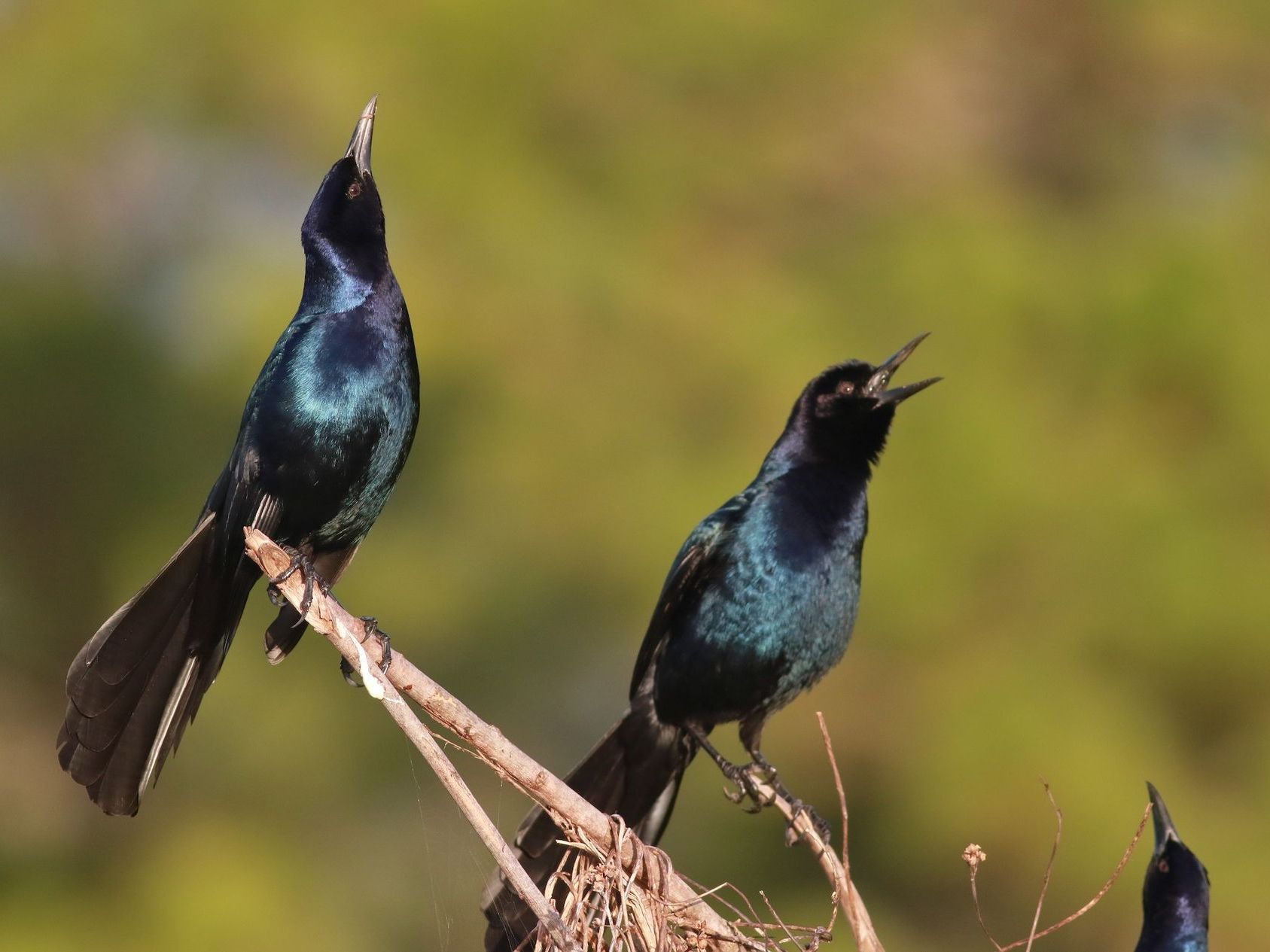
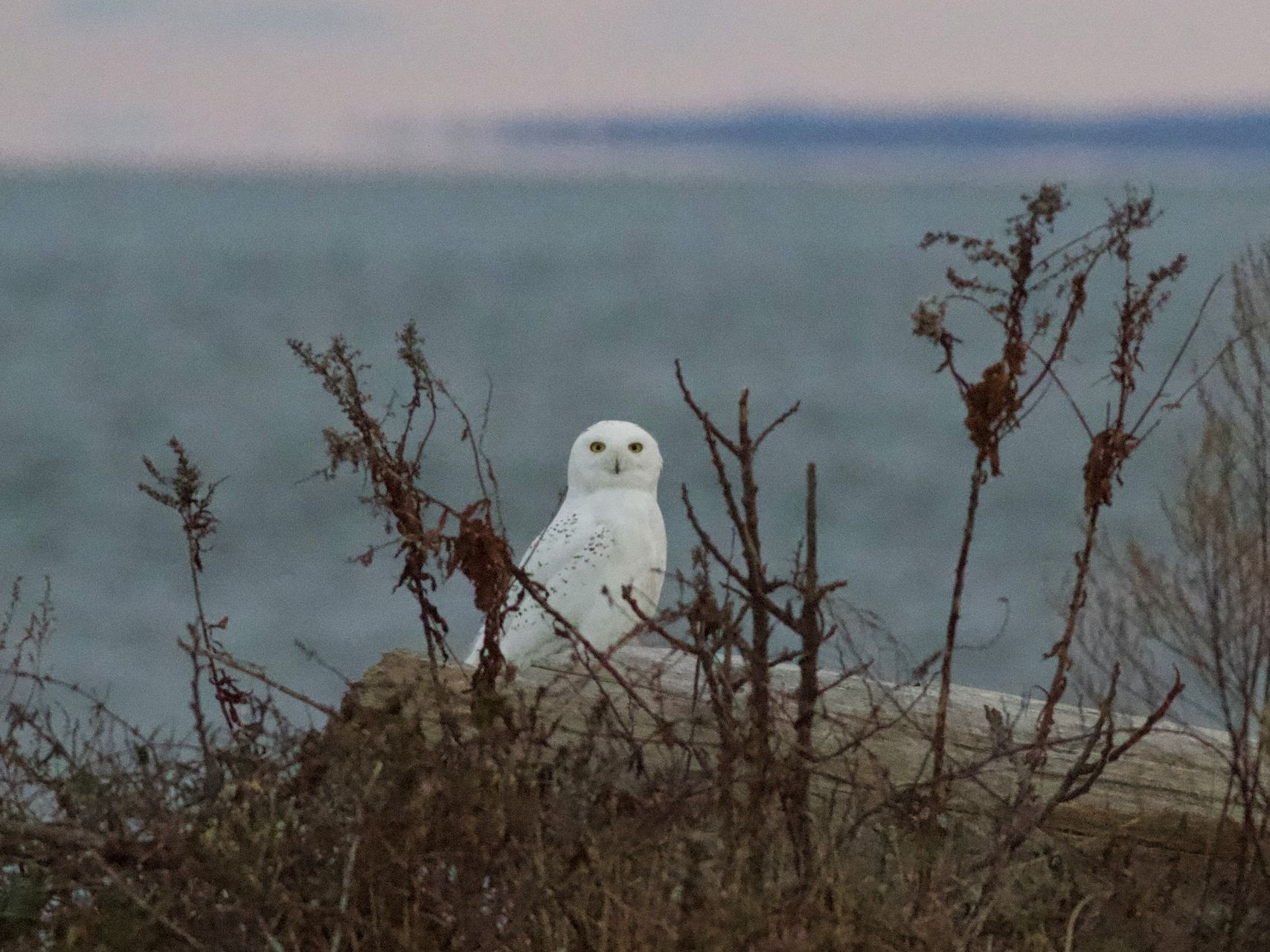
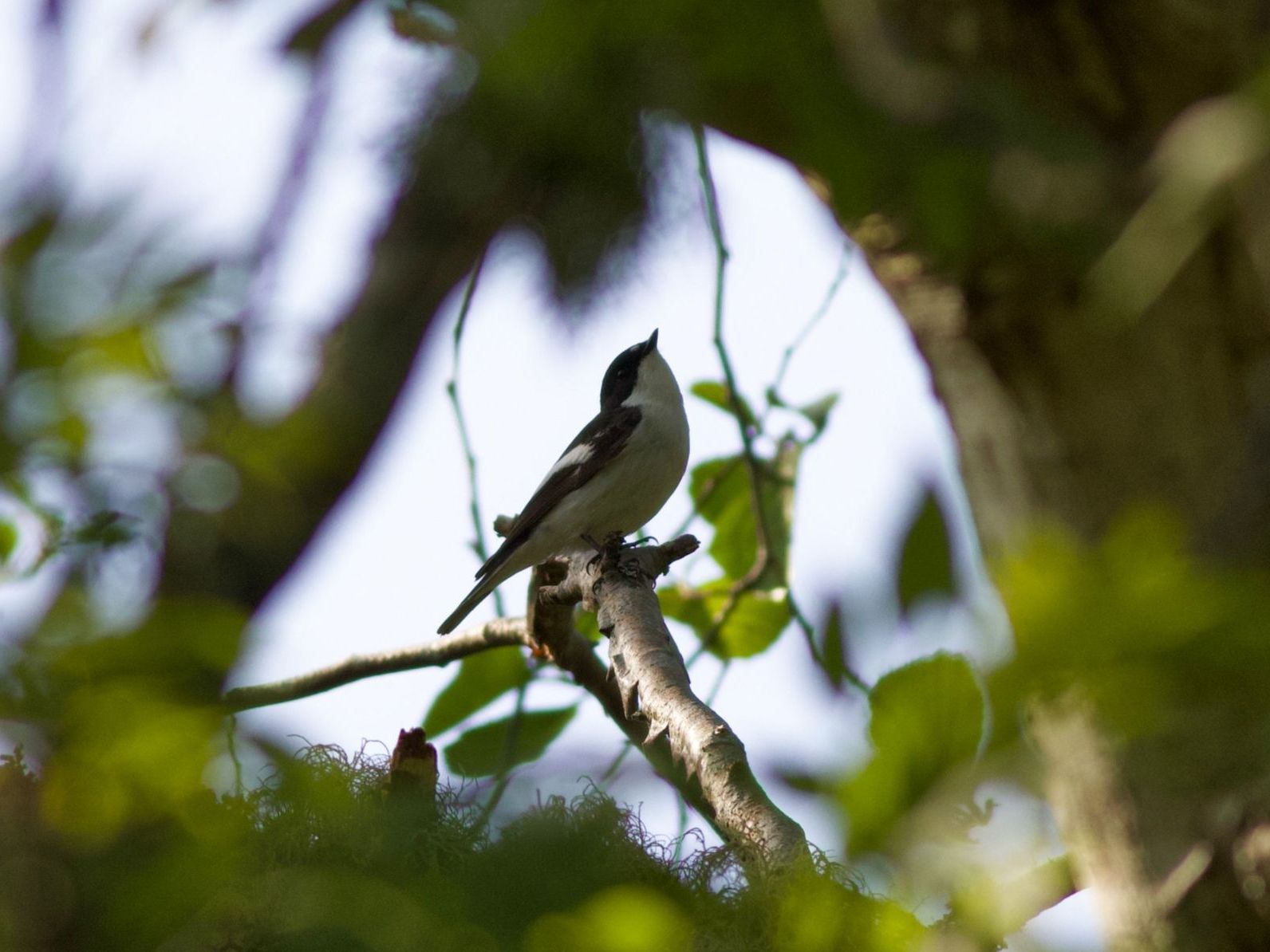
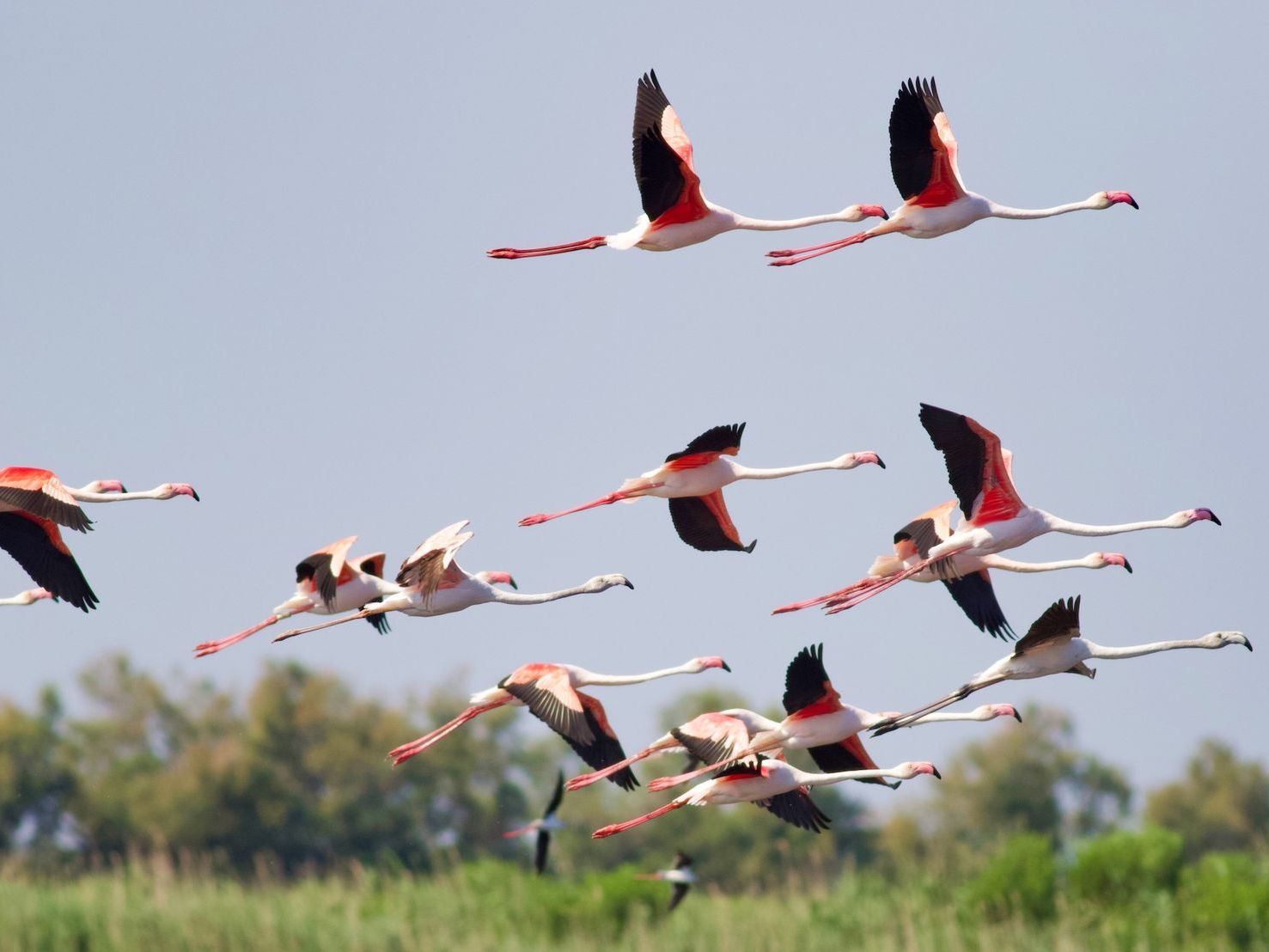
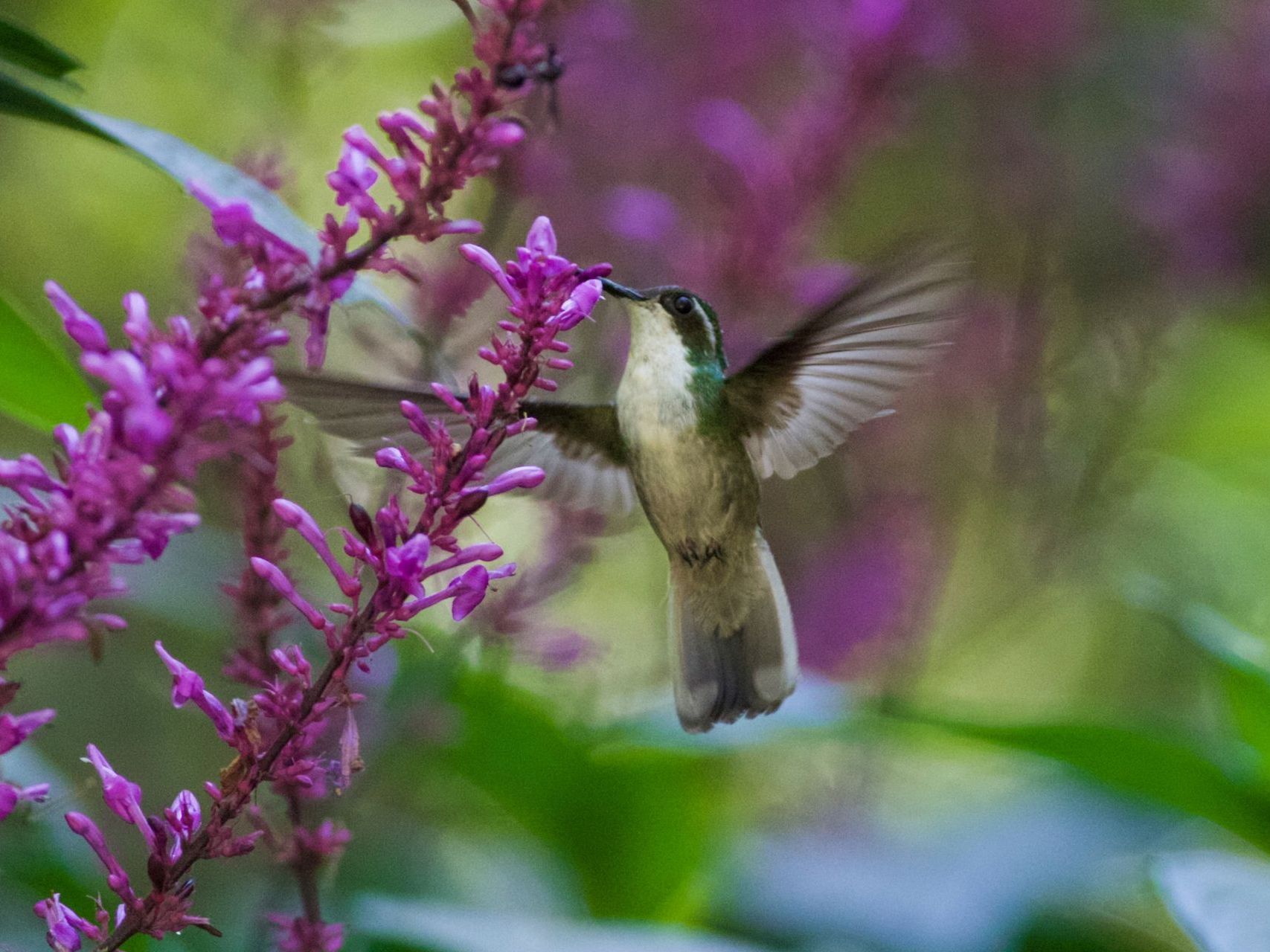
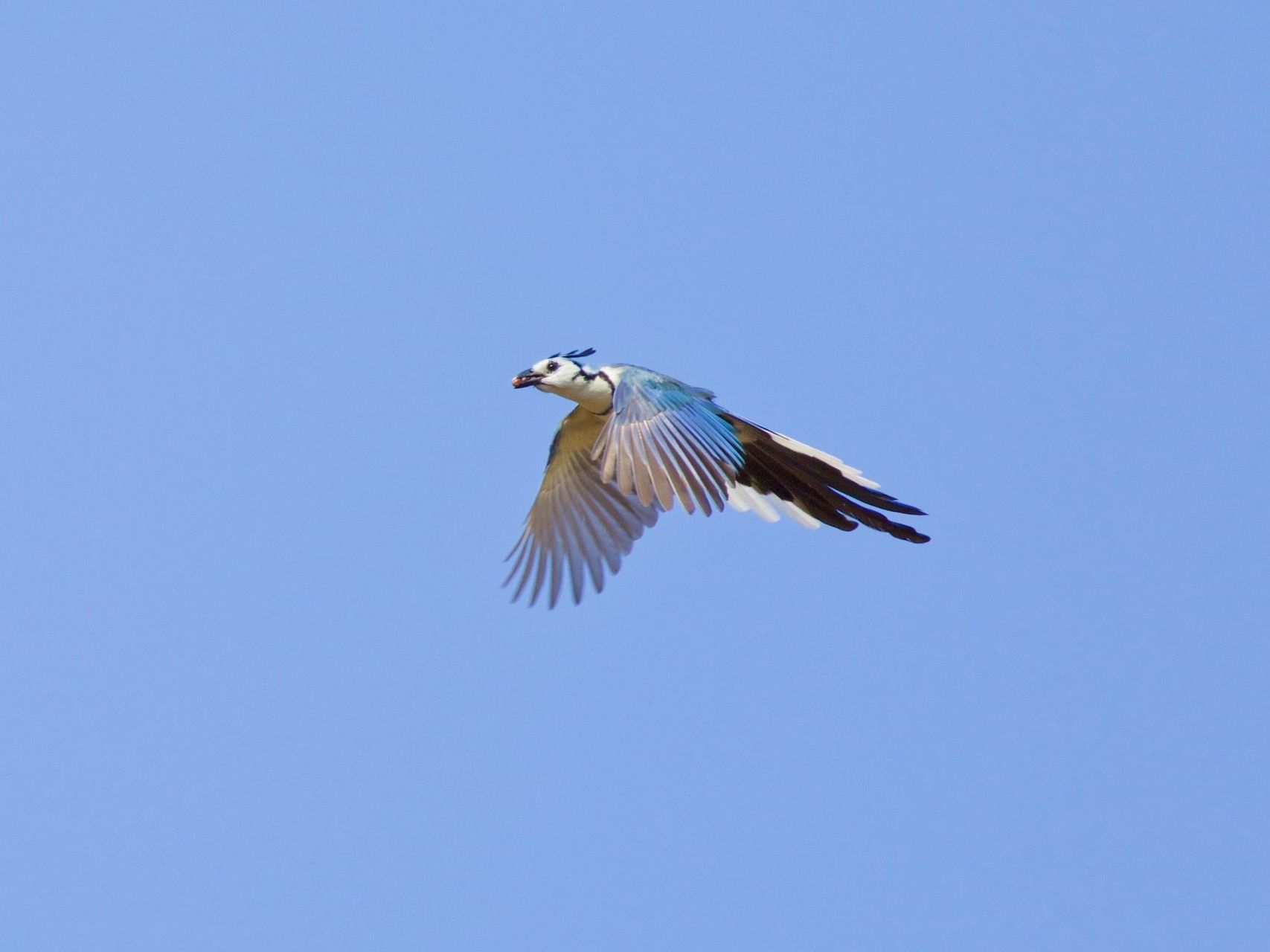
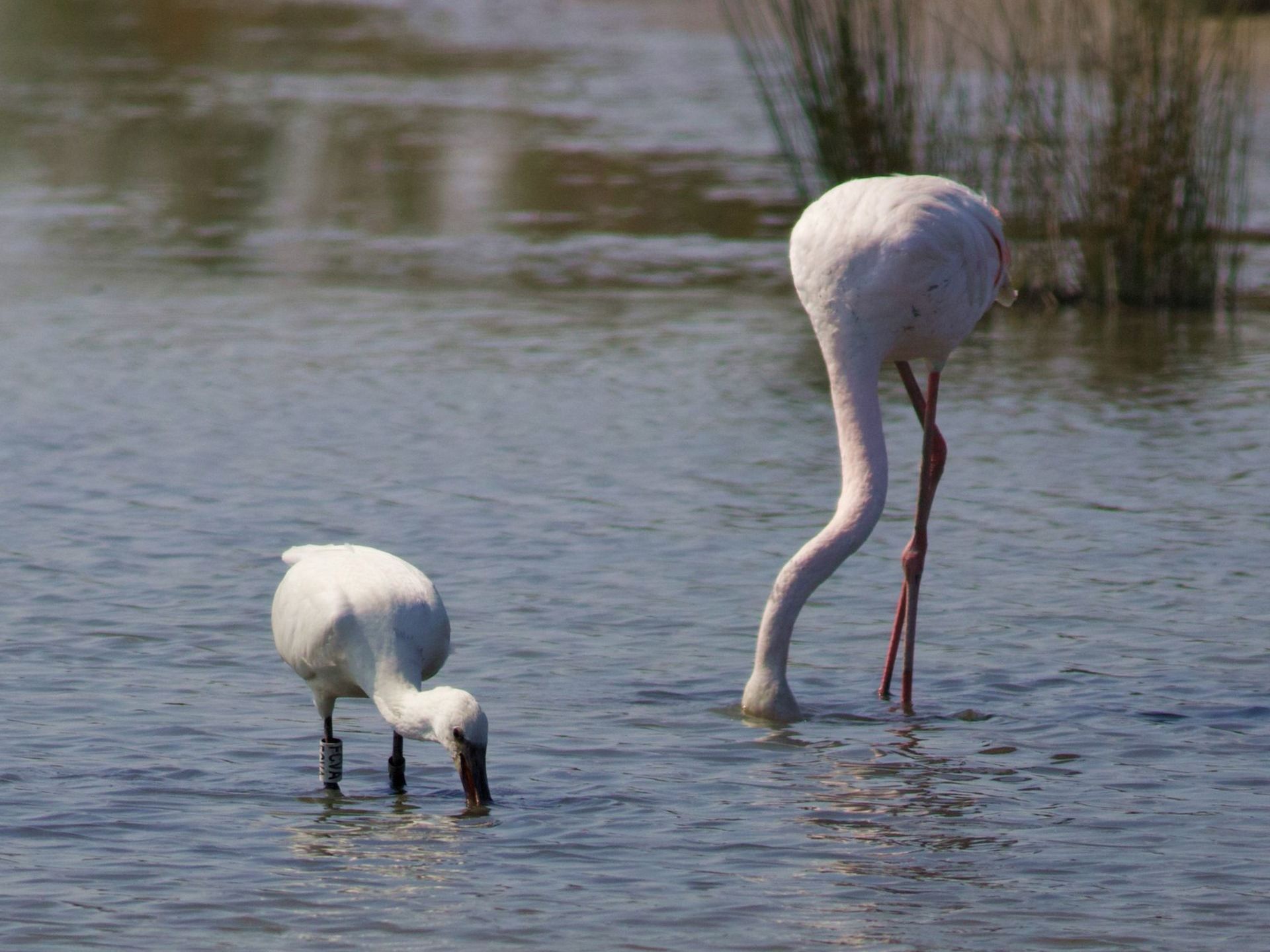
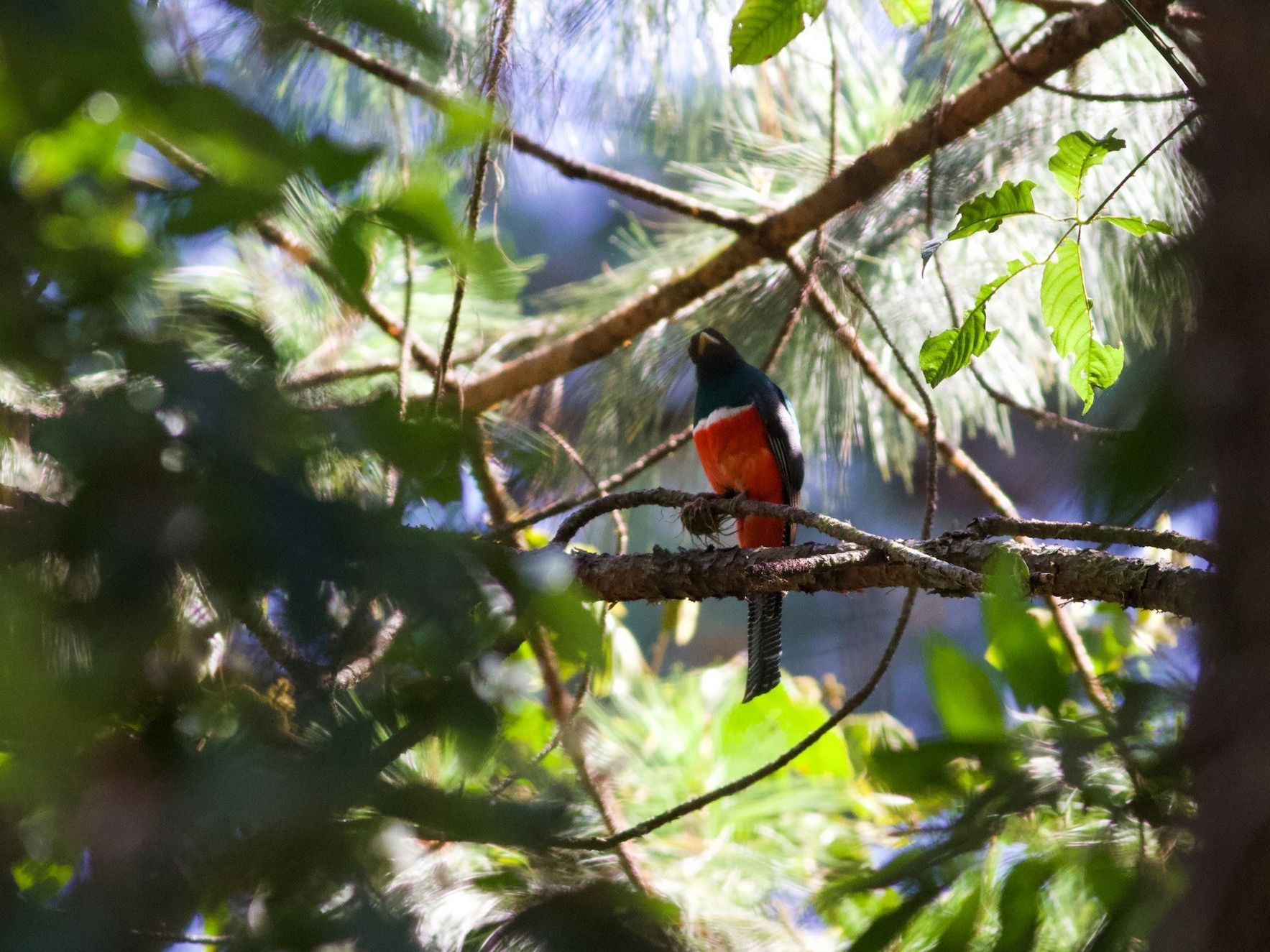
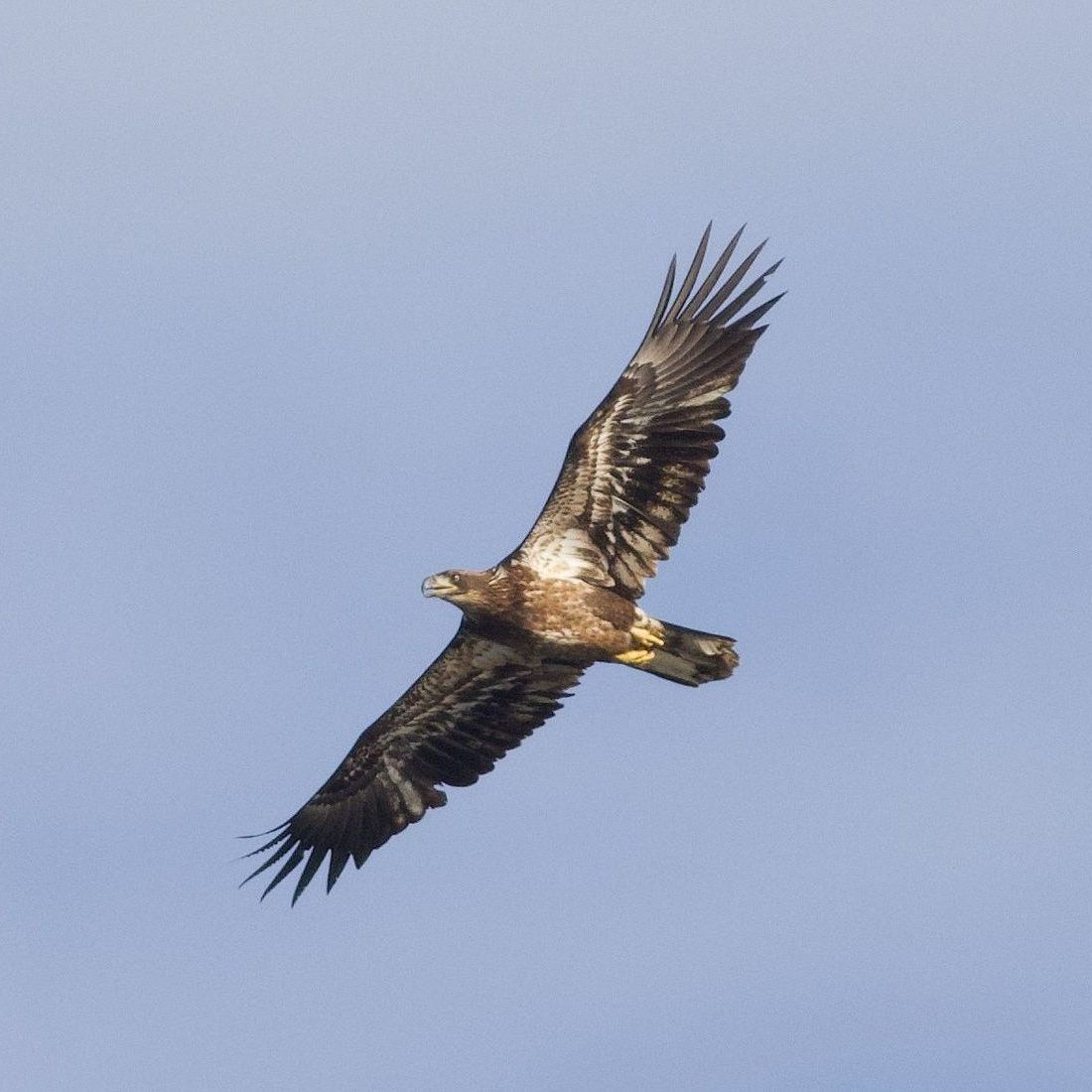
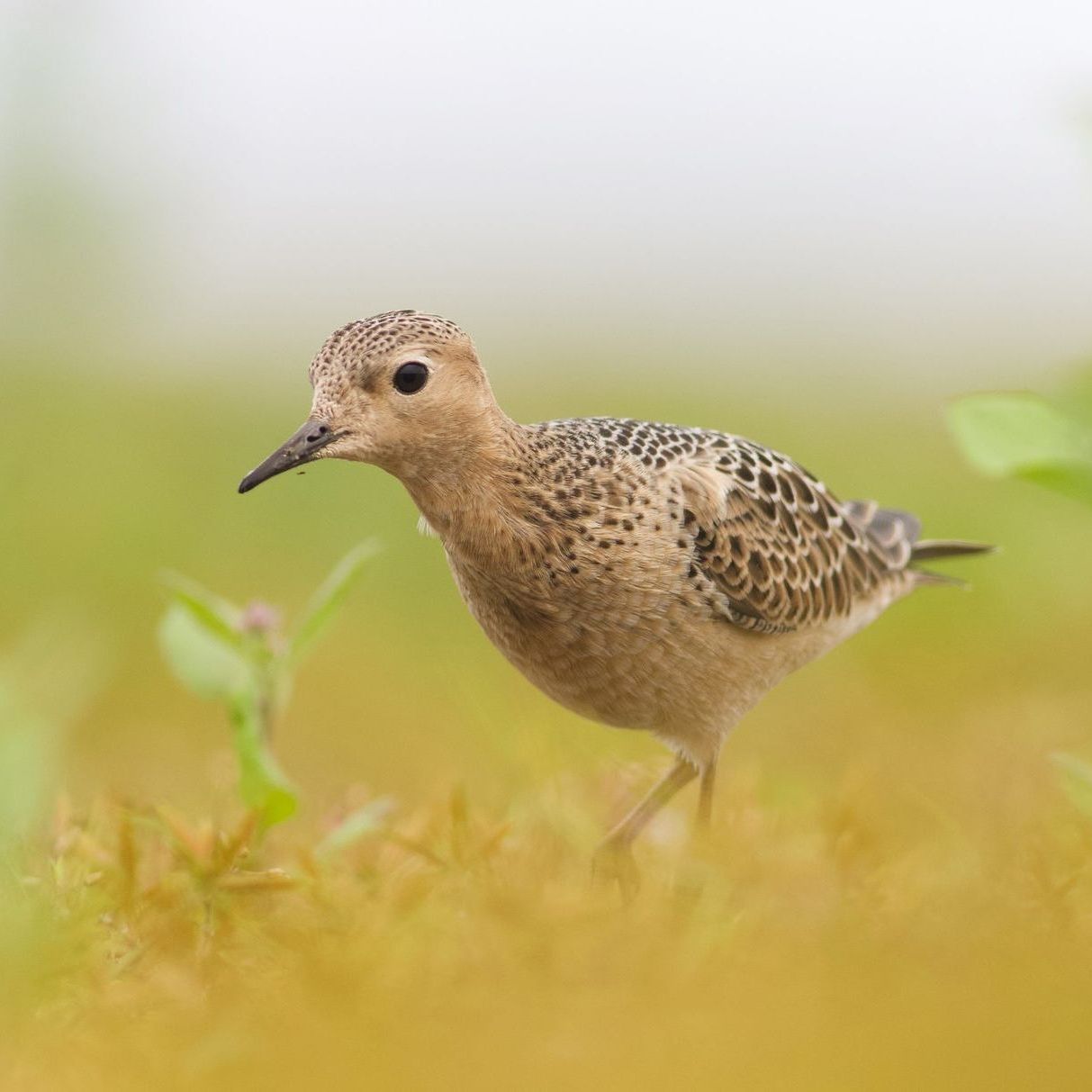
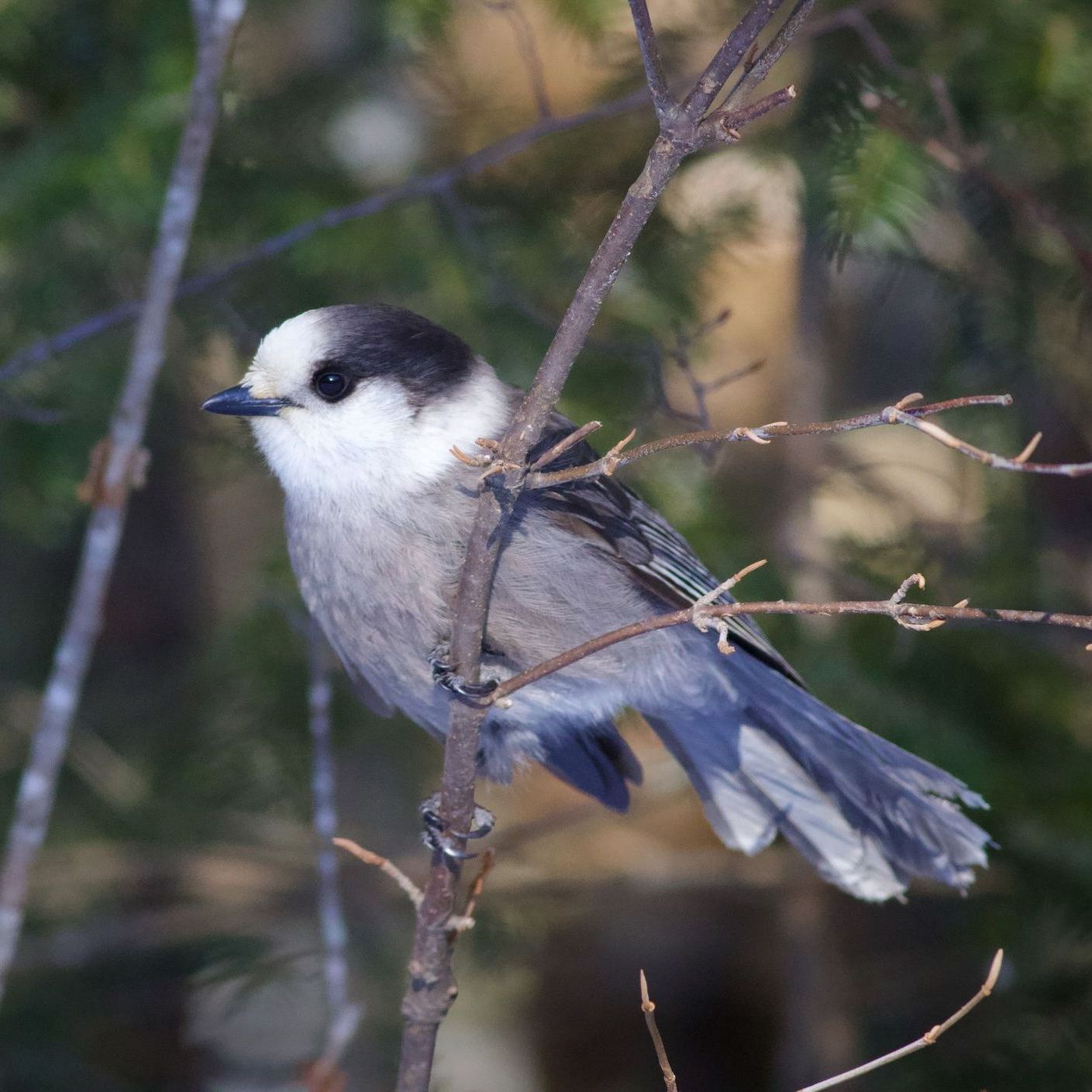
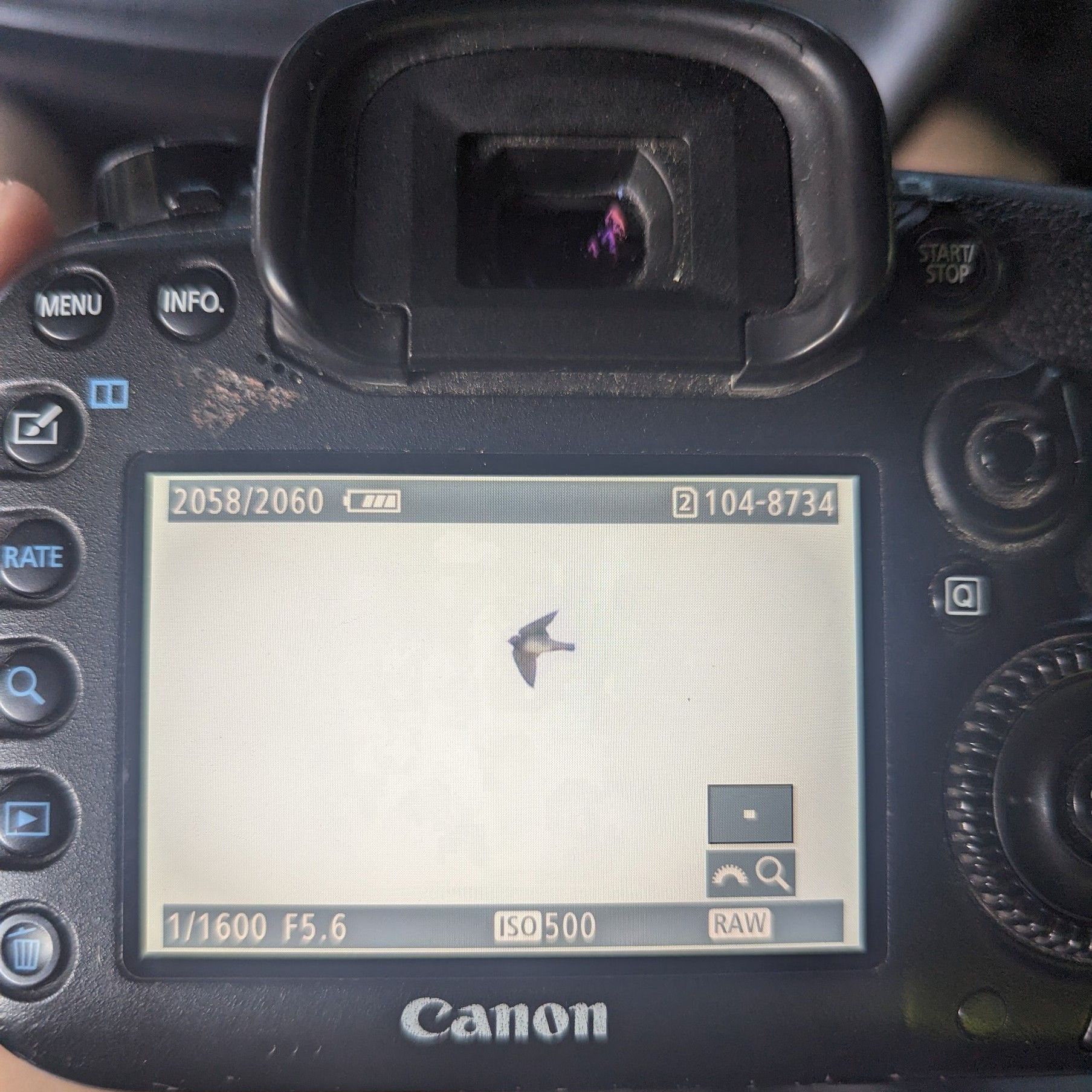
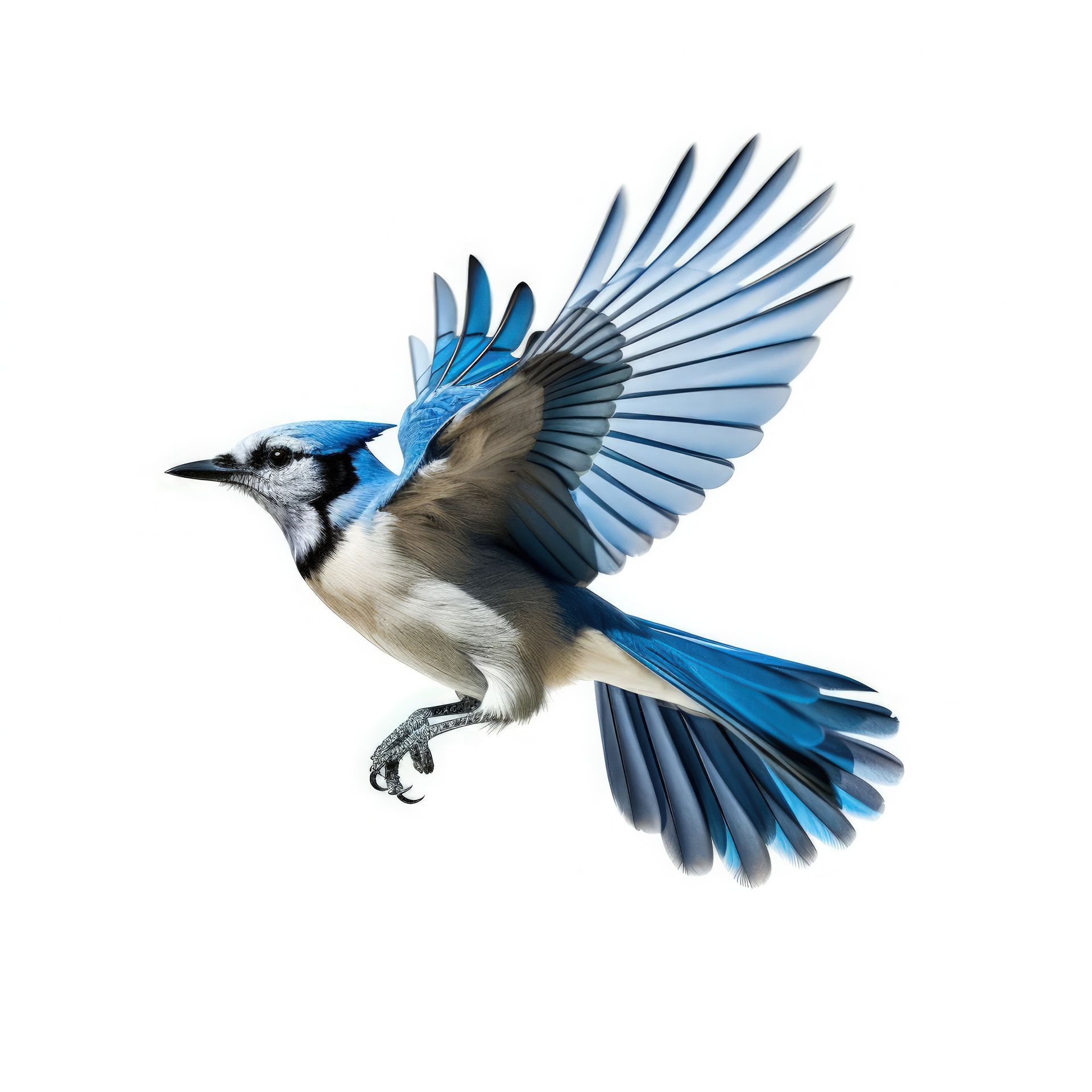
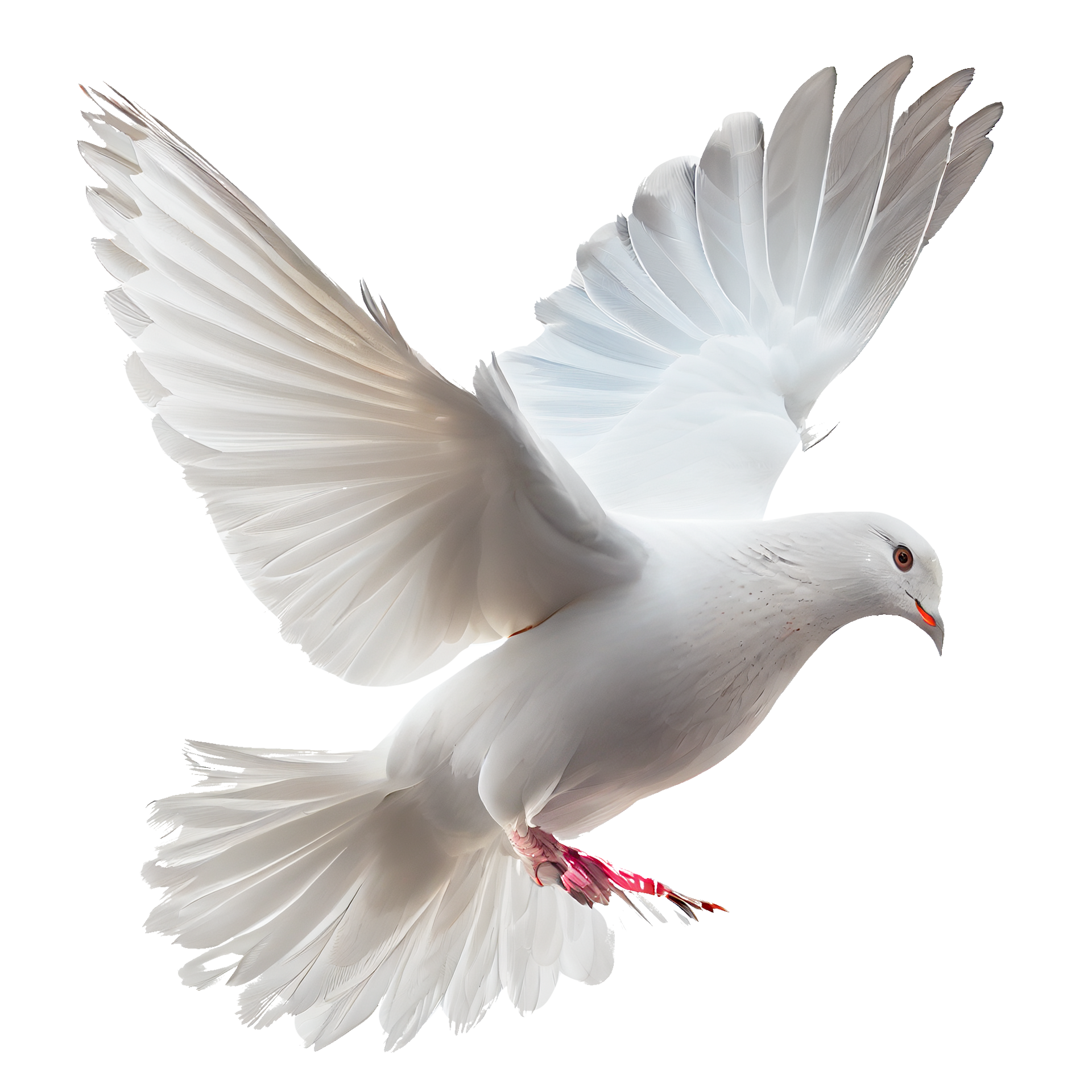
A sampling of Kardell’s photographs, which capture birds in their natural habitats
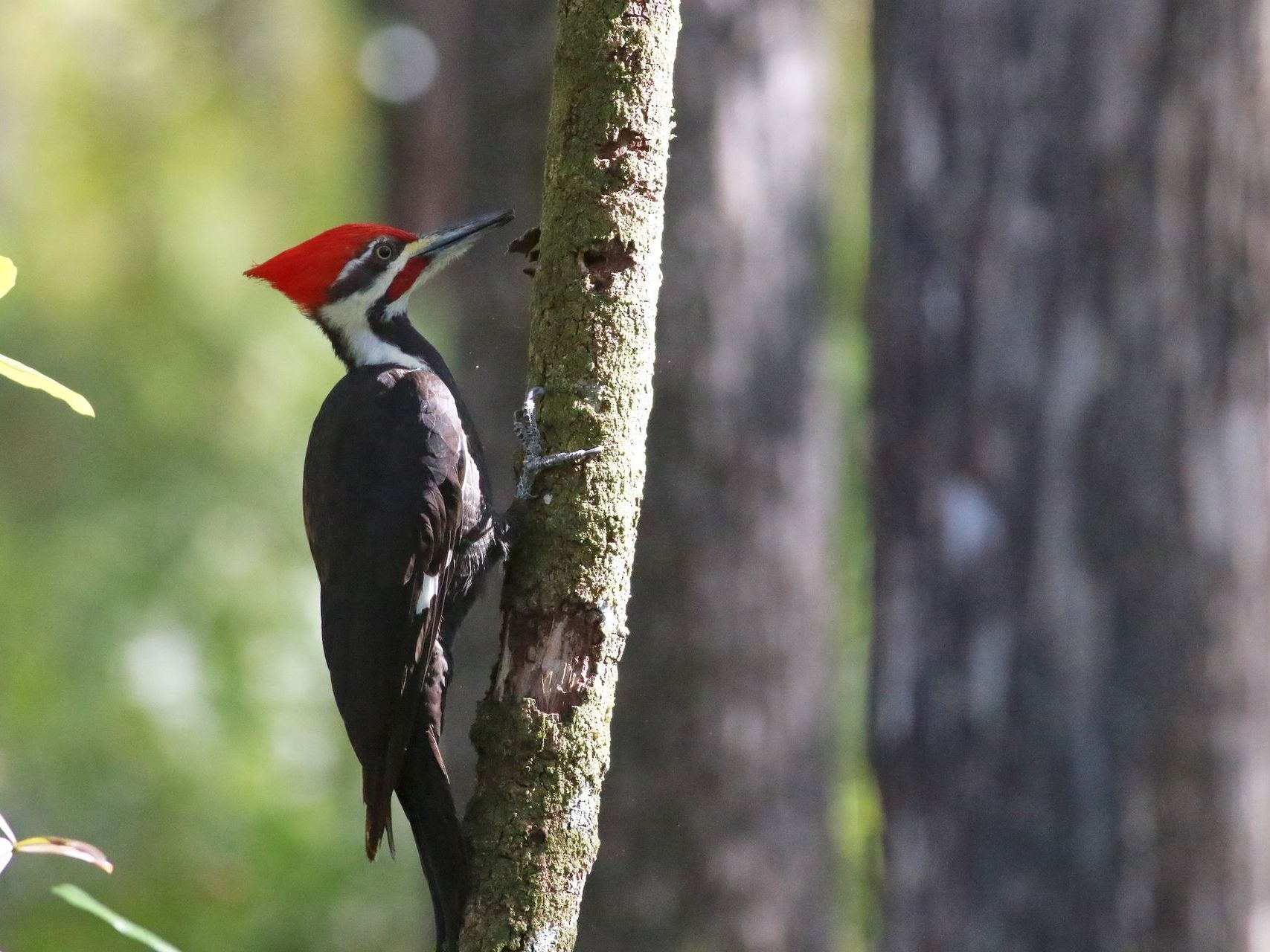
“It was my dad’s birthday,” he says. Kardell credits his family in part for his success. They have supported him throughout his expeditions, which have taken him from island to island across the planet, pursuing birds most people will never see in their entire lives. He is aware of how often he finds himself on islands and describes himself as an island hopper. Perhaps it is the influence of Nantucket that was still pushing him even as he stood on a barren isle halfway across the globe in June. Like his home, Grytviken was a whaling port and in the graveyard are the headstones of whalers from New London, where Kardell studies environmental science and architecture at Connecticut College.


This trip to Antarctica, filmed for an educational documentary, is hardly the first audacious journey Kardell has taken in search of birds. He once traveled directly through the heart of a region of Mexico controlled by anarcho-socialist rebels known as the Zapatistas, who at times refused to sell him goods because he was an outsider. He knew little about the Zapatistas before taking the journey; his goal was simply to maximize the number of bird species he would see.


Still, this voyage was unique, in part because of Kardell’s crewmates. Between documenting the birds drawn to the ship’s light and the krill they eat, Kardell spent much of his time on the ship getting to know the crew. “That’s all you do on a ship is get to know each other. And then when that gets boring, you play Scrabble,” he says. Kardell’s crewmates include a former bush pilot who grew up on an emu farm in Wyoming, a college student from Kenya and a top-ranked paraglider who circumnavigated the world at 20. One crew member, who tried to show Kardell the shape of the known universe using a piece of paper, spent 13 months working a telescope at the South Pole. “Usually, everyone works at the same lab. This was not the case. We were really a pack of strays,” Kardell says.


Kardell’s resume may be longer than many birders twice his age, but he isn’t slowing down. He is returning to Antarctica next year and is currently involved with two research projects, one studying the critically endangered Muskeget vole and the other documenting bird populations on Fishers Island, a remote isle off the coast of Connecticut with historical birding data going back to the late 1800s. Despite all of this, Kardell remains humble. “I’m not some exceptional individual,” he says. “I go in the direction God wants me to go in, and I don’t think I have much say over that.”

Latest Stories

By brianbushard August 6, 2026
Written by Brian Bushard Photography by Kit Noble For the past 10 years, Katherine Jetter has been selling her jewelry at her shop on Centre Street, The Vault. But unlike most jewelry stores, she is not only selling her own jewelry, but the earrings, bracelets and rings of 30 other couture jewelers. This month, she is showcasing those jewelers at a residency at Ten Easy Street, which runs through August 15. “The purpose is to celebrate our community and create a place to bring all of our clients into a social environment where they can get to know each other and experience all the things I love and curate on a deeper level in a social environment,” Jetter said. “I love bringing people together and curating, so I have curated some incredible experiences.”  How did you get into the world of jewelry making? I didn’t come from a multi-generational jewelry house where I had the privilege of growing up with a safe full of gems and access to everything. I’m completely self-made, and the only way that I could shine in a very saturated industry was to really teach myself to be an expert on specific subjects, so that I could really come from a place of knowledge. What did that process look like for you? I studied and studied books on the history of jewelry making. I went to every possible trade show I could find. I’ve been going to the Tucson Gem Show since I was 24 years old and I ask 10,000 questions. The thing that really made me learn was that I was never afraid to say what I didn’t know—why is this amethyst a $10 per-carat stone, and why is this amethyst a $200 per-carat stone? I found allies and friends in the industry that would help teach me and educate me. As a young 20-year-old, I found people who loved their craft who were excited to teach a young person what they knew. I would do everything from finding the rock to going to the mines. That is what I think really is different about me. I made it my business to be an expert and to study what I’m selling, so that I’m not just a designer who’s taking pretty objects and putting them together. I’m being very thoughtful about everything from the ground up—where it starts, how it’s made, the engineering of the piece and the execution. When you’re selling a product, if you don’t understand from the ground up the integrity of the piece, it’s a very different sales process than if you’re coming at it from a place of workmanship. Even though I specialize in certain avenues, I also recognize that there’s something for everybody, and if it’s not something that I’m making, I still want to find you. I love doing that; it really is what excites me. I’ve never had an ego around it being my way or the highway. If I don’t make what you’re looking for, I will find the expert that does.
By N Magazine August 4, 2026
FOGGY SHEET
By N Magazine August 4, 2026
FOGGY SHEET
By N Magazine August 4, 2026
FOGGY SHEET
By Paige Martino August 4, 2026
Interview by Paige Martino Photography courtesy of the Nantucket Historical Association Long before Greater Light became one of Nantucket’s most beloved historic houses, it was an aging 18th-century cow barn tucked away on what was then Bull Lane. Where others might have seen a weathered farm building, Quaker sisters Hanna and Gertrude Monaghan envisioned something extraordinary, transforming the humble barn into an exuberant home and art studio layered with salvaged architectural treasures, handcrafted furnishings and original paintings. They called it Greater Light . A hundred years later, Beverly Hall keeps HannaMonaghan’s spirit alive, putting on period clothes and performing as Hanna at Greater Light. “My feeling when I walked inside [Greater Light] for the first time was almost visceral,” Hall said. “One day during the process, I just got so immersed I said, ‘That house just needs someone to bring it alive.’ I just said it. I blurted it out. ‘Someone needs to be Hanna.’ The whole group turned around and said, ‘Beverly, why not you?’” Becoming Hanna meant immersing herself in Hanna’s memoir, filling pages with underlined passages, colorful notes and thoughtful observations tucked into the margins. She interviewed people who had known Hanna and spent countless hours researching both the Monaghan sisters and Greater Light itself. Along the way, she began recognizing unexpected parallels between their lives, particularly in their shared devotion to faith and the arts. “The attraction was immediate,” Hall said. “[Hanna] really sparked something within me, so I took it and ran with it.”
By brianbushard August 3, 2026
Written by Brian Bushard Photography by Kit Noble While they may not be household names in the true Hollywood sense, Nantucket’s summer population includes powerful producers, screenwriters and editors who are behind the scenes on the movies we all recognize. Indeed, Nantucket has an underground entertainment community that is in effect a hidden Hollywood.“I got involved in the Nantucket Film Festival before we bought a house on the island,” said Marc Resteghini, a producer with Amazon MGM Studios who executive produced the series Young Sherlock. “As I started to learn a little bit more about the festival itself, I started to realize there were a lot of people who either lived on the island or vacationed here from the entertainment industry.” Resteghini was named the new chair of the film festival this June. While Nantucket has a reputation for attracting politicians and Wall Street titans, lesser known is the fact that dozens of leaders in the entertainment industry have also found Nantucket as their summer refuge, just not the names you might know. “It’s like Sergeant Pepper Lonely Heart Club Band,” actor John Shea said. “We see each other but the last thing we want to do is talk about the film business. It’s more of a quiet acknowledgement of a fellow traveler thana fellowship.” “The Vineyard is where all the actors and the writers go, the creatives,” documentary film producer Annabelle Dunne added. Dunne summers on Nantucket. “I think a lot of people that work in Hollywood come here to be with their families, relax and enjoy Nantucket, not to network. But it is a small island, and sometimes when you take away the work component and you say we’re just getting together to get together, then things can happen.” 
MORE STORIES