Stealing the Show
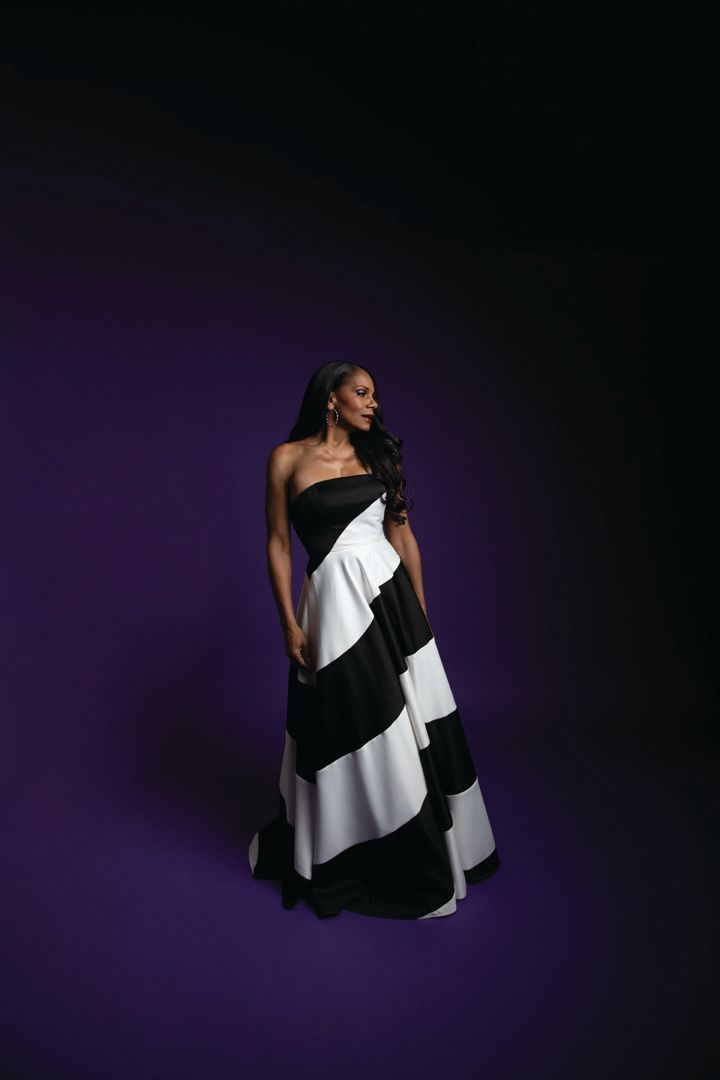
Tony-Award Winner Audra McDonald performs at Nantucket Performing Arts Center.
Interview by Brian Bushard
Photography by Drew Elhamalawy
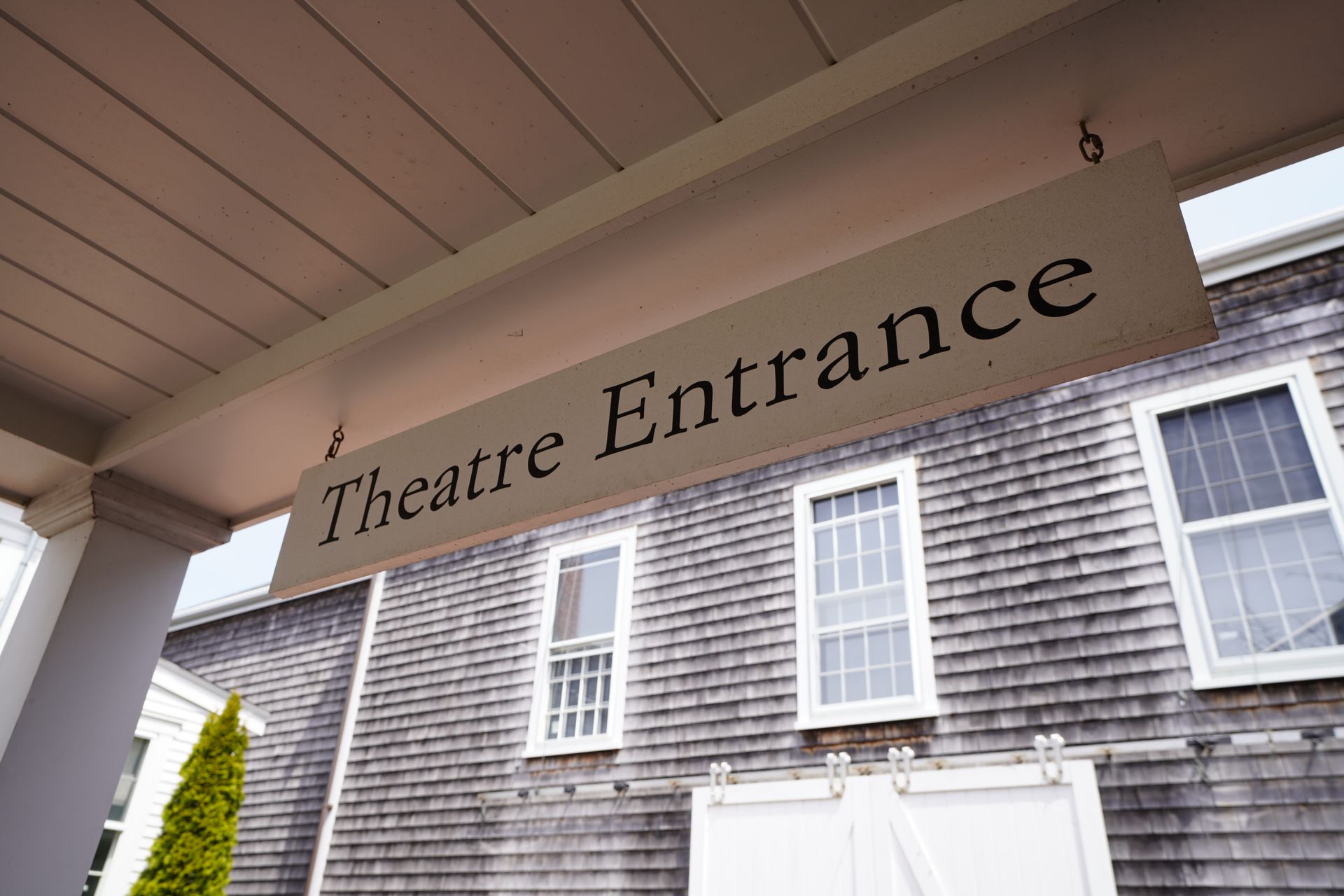
Audra McDonald is used to a big crowd. A six-time Tony Award-winning actress—as well as a two-time Grammy winner, Emmy winner and member of the American Theater Hall of Fame—she is the most decorated actress in Tony history. But this summer, she’ll be performing in a much more intimate setting, the newly renovated Nantucket Performing Arts Center. McDonald compares it to performing in a living room. “Whether I’m in a big venue or a small venue, I try to make my concerts intimate affairs, where hopefully the audience really gets to know me and I get to know the audience through song,” said McDonald, who will be performing songs out of the American Musical Theater Songbook with her pianist, Andy Einhorn. N Magazine caught up with McDonald ahead of her performance.
What is your experience on Nantucket?
I remember being struck by its beauty, understanding why people are very passionate about it. I can see why people go there and never leave.
Is it refreshing—maybe challenging or beneficial to you as an artist—performing at smaller, more intimate venues?
I wouldn’t say it’s either forme, maybe it’s because I’m older now and I’ve done this for a long time. It’s not a challenge or necessarily a benefit. I just need to adjust to the size of the space, because in the end, my goal is the same. In whatever way I need to do that to make sure that that fourth wall is down and that I’m communicating with the audience in a way that makes it feel like they have an idea of who I am by the time evening is over, that’s the goal. The great thing about it, just being myself and Andy on the piano, is that it really lends itself to a smaller space.
Why do you think the American Musical Theater Songbook has had the staying power it’s had?
I’ve been in theater since I was nine years old, and so in a way, even though I would go on to study classical music at Juilliard and have exposure in that particular genre, this is my first language, the American Musical Theater Songbook. It’s how I was introduced to theater. It’s how I found who I was as an artist. For me, it’s going back to my beginnings, my ABCs, as it were. What I love is when I do songs and I pick my repertoire and change up my repertoire, I’m always singing something that means something to me, or it helps me convey a message that’s important tome. The fact is that there is just an infinite amount of incredible material that allows for that journey. Andy and I like to [say] we try to give you a full meal. We give you your first plate, your main courses, we give you the amuse-bouche, and we give you dessert. We’re trying to make sure that we get the whole meal in. It’s such a wealth of material from which to choose that it’s infinitely inspirational and fulfilling to meto continue to find ways in which to get across my message, my thoughts, who I am and what I love—and a lot of the time that seems to be right in line with what the audience is looking for, as well.
With music that is so recognizable, do you put your own twist on the performance, or give it something that is distinctively you?
I’m choosing these songs because I want to interpret them, because I feel like they can help me to express myself, and they stand on their own as the brilliant material that it is. That’s very important, so that is a part of the main mission. It’s never to imitate; it’s to interpret. And interpretation art inherently implies that it has to go through you in order to do it. To interpret it, to even just to process it, it has to go through you and your sensibility and your brain and your heart and your sins—all of that. For me, that’s certainly always been the goal, to make sure that it ends up being a part of who I am, instead of me just trying to copy what someone else has done. I don’t like to think of it as putting choices on anything. It’s just the way that I am receiving the material, and then processing the material, and then therefore sharing the material. And you can do that while still being true to the composer and lyricists and intent, you know that you can absolutely do that.
How has musical theater changed from the time you entered the scene?
The one thing that hasn’t changed about the arts is that we need them, and that they are what keep us in touch with humanity—humanity within ourselves. They help us to continue to see the humanity in others, and it’s a part of being human. We needed them as a race from the beginning, and so in that sense, the arts have not changed and in some ways things have become better. In some ways I think we’re coming into an interesting era with AI to see how that affects the arts and whether that will be a detriment to the arts or whether it will help. I don’t know the answer to that. I am certainly curious, and I’m a bit apprehensive about that, but that is certainly something that’s effecting huge change. Having said that, because of the advent of the internet, a lot of the arts have become more accessible than ever before, and that is a wonderful thing. Although having said that, you need nothing to create art. You can do it sitting in your room by just raising your voice to sing or drawing something on a piece of paper. However, in terms of the arts as an entire discipline, because of the internet and YouTube, and because everybody has a camera on their phone, you’re able to access the arts in a way that we’ve never had before, and that’s an equalizer, which is a wonderful thing.
With those changes, and with funding cuts in the arts, how do you view the future of theater?
I think we’ve gone too far in one direction and we are reaching out towards things that make them feel more human, like reading a book or actually being in a place with their friends or going rock climbing and putting down their phones. People are not necessarily drinking as much, they’re having knitting clubs, they’re doing all these things in a way that makes me feel very, very hopeful. So maybe we’ve started to correct in a way because we’ve gone so far in one direction. This new generation would put their entire lives on the internet, and then say, “Wait a minute, what makes us most human?” They are heading back in that direction in a way that I think can only be a wonderful sign of the possibility of the future health of the arts in general.
What do you hope people take away from your performance on Nantucket?
I hope it inspires them to come back to this new space. I hope it inspires them to seek out more live concerts, to enjoy the idea of going out into a place and being with each other in that space and receiving music and being apart of a live performance. Live performance does not happen without the audience. I hope they get to know who I am, and for me, the message you get is always about getting in touch with your humanity, because in doing so, you can’t help but see that in others.
Latest Stories