So who benefited from these changes and what was the outcome of the changes that Beinecke ushered in? On the one hand, the tourists came in droves, many of them bought summer houses, the tourist economy boomed and Nantucket became the world-class resort Beinecke always envisioned. On the other hand, because property values and the price of summer rentals skyrocketed, the cost of living displaced working-class islanders and congestion made for constant summer traffic and parking headaches.
“Have we priced ourselves out?” Warner asked. “Have we made it too expensive to live here? But who’s we? I don’t know [if we have]. If you ask people in February if we’ve made it too expensive to live here, they would say it’s the time of year [they] like best, and other people would say they hate it here.”
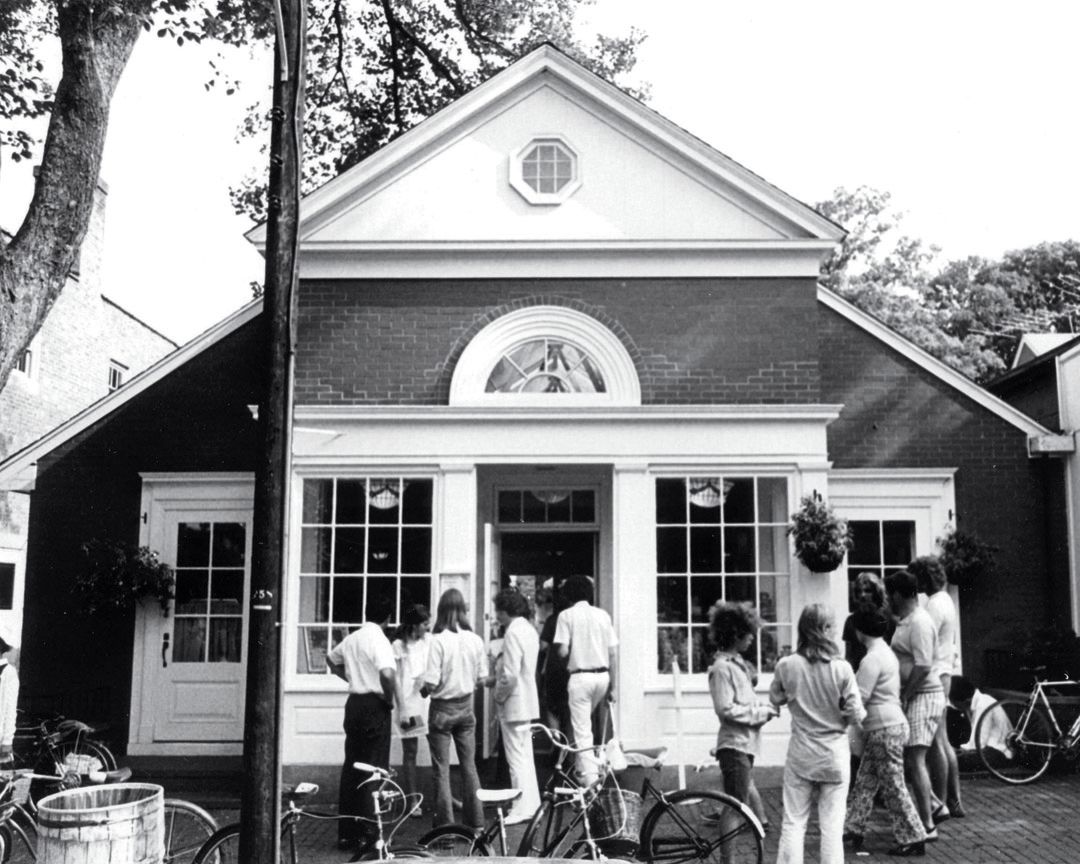
One example of the changing of the times came at the Bosun’s Locker, a popular dive bar on Main Street. When Beinecke was looking to obtain a liquor license for the Jared Coffin House, he purchased the Bosun’s Locker and transferred its license to his hotel on Broad Street. After Beinecke’s Sherburne Associates took over the building, it was converted into a high-end retail space, wiping out the watering hole. In John Stanton’s documentary Last Call, Stanton asks Beinecke about the bar and its role in the community, and if people need a physical place to hang around. Beinecke’s response: “Well, what kind of people, and what kind of place?”
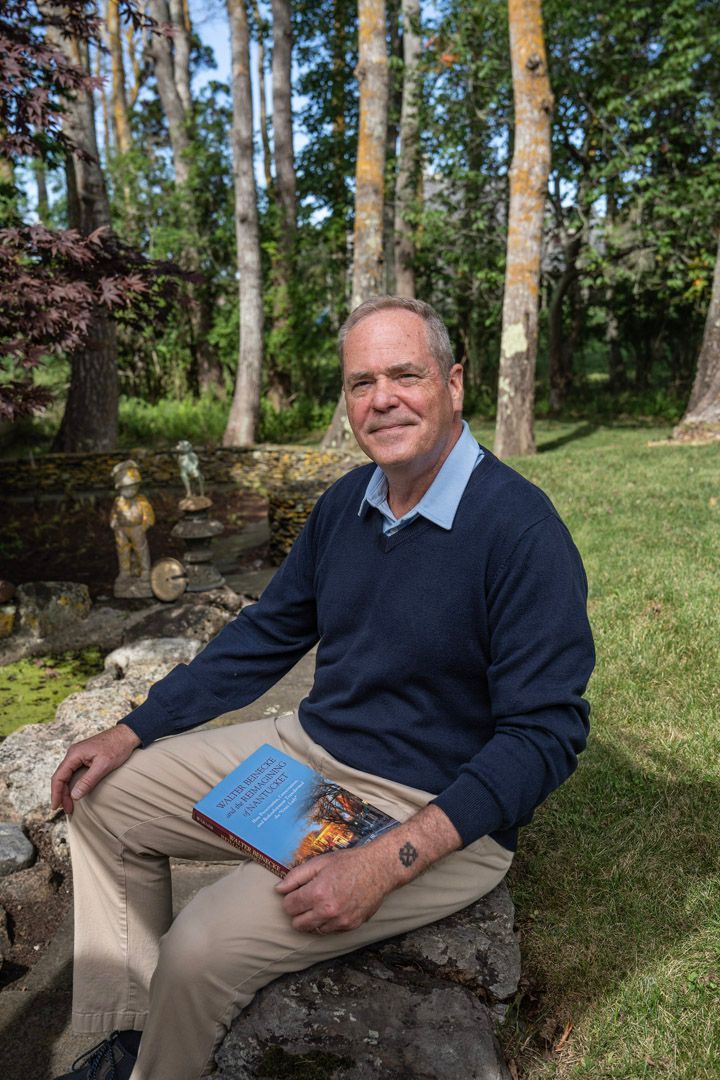
“There still is a community here,” Warner said. “It’s the people who still love this place, and it’s not easy to try and make a living here. It’s not easy to keep the sand from washing out to sea. It’s not easy to deal with the crowds and the traffic and all these challenges. But we have to realize that it’s not an us-versus-them [mentality].”
With Beinecke, there are questions we’ll never be able to answer. What would he think of Nantucket today, for example, now that tens of thousands of visitors travel to the island every summer, even if the beautification of town contributed to a higher cost of living for the year-round community? “I think he would be shocked,” Warner said. “Even in 1999, he talked about plywood palaces. He talked about things working themselves out and that employers would have to step up, but that you’re always going to have people who are more affluent than others.”
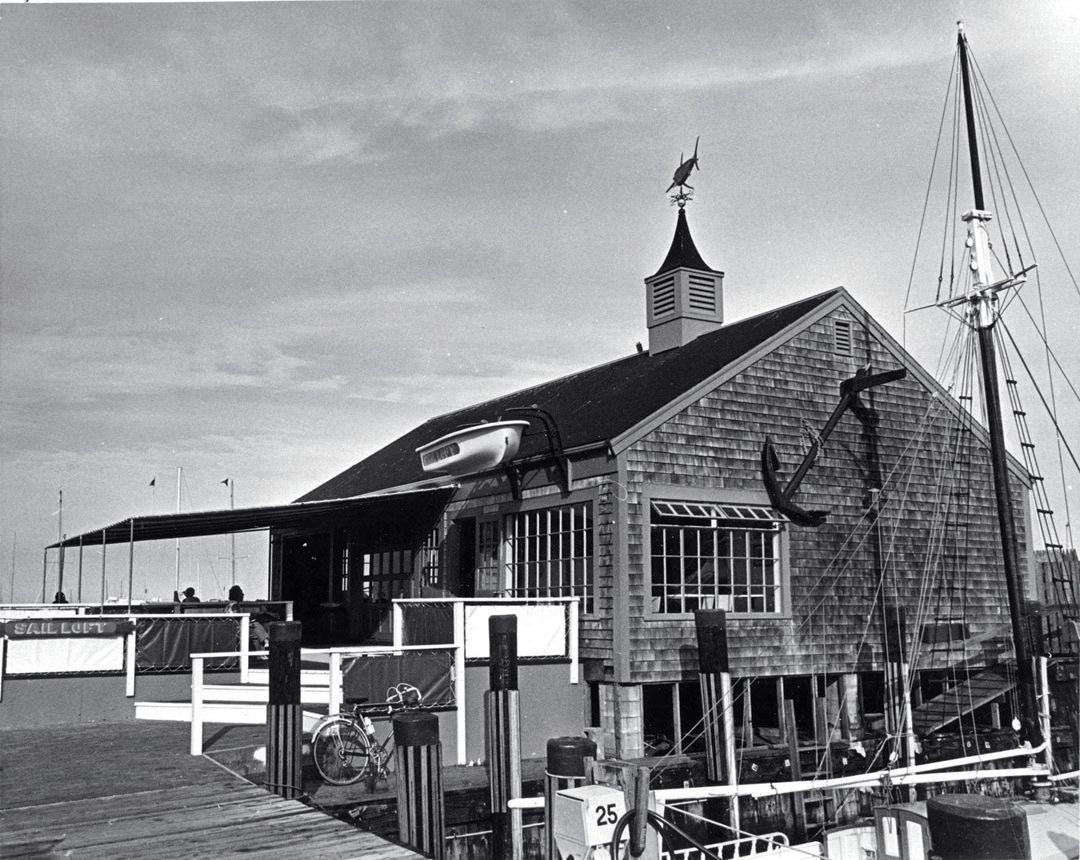
Of course, the big question is what would Nantucket be today if it hadn’t been for Beinecke? What if the wharves were never restored and the Boat Basin never built? Would Nantucket without those changes be a better, more affordable place? “People always think when the first people got here it was great, but that’s not really true,” Warner said. “We put on our rose-colored glasses and say it was a fabulous place to grow up [before Beinecke’s work began], but there were people here scrapping along and couldn’t make a living,” Warner added. “It’s an island, so there were people struggling with alcohol and substance abuse. That hasn’t gone away, though it might be under the surface. What makes Nantucket different is we have a tremendous amount of natural resources, and people with buy-in to move the island forward in a way that makes sense.”
It could also be argued that Beinecke was simply in the right place at the right time. Nantucketers had had their eyes on boosting summer tourism for decades before Beinecke stepped in. As the late Pulitzer-winning journalist and Nantucket summer resident David Halberstam put it in Last Call, “these things all were going to happen anyway. If it hadn’t been Walter Beinecke, it was going to be someone else, because the force of the money, the value of property downtown, the instinct to gentrify—that was going to happen.”
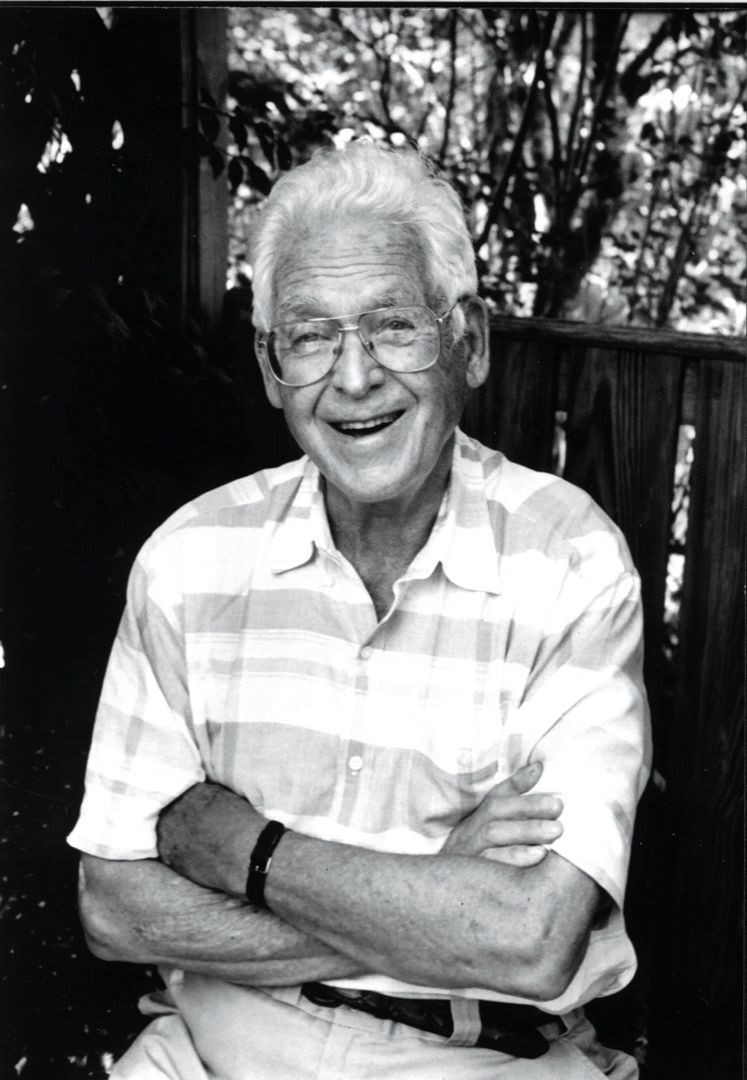
Whatever your take is on Beinecke, there is no debating that Nantucket would not be what it is without him. Beinecke was once asked at a Rotary Club meeting in the ’80s, after all of his renovations had been completed, what was in it for him. The entrepreneur responded, “I could never live long enough to have the money I have invested return to me.” The real beneficiaries, he argued, were the future generations. “[Beinecke] does end up with the last word, and he said, ‘You’re always going to have people who have more money than other people,’” Warner said. “He had a great quote that’s so acerbic and Yankeeish: ‘People say what is fair? Fair is Ferris wheels and Kewpie dolls. Life is not fair. There are always going to be people with more means than others.’”