America at 250
Written by Brian Bushard
Photography by Kit Noble
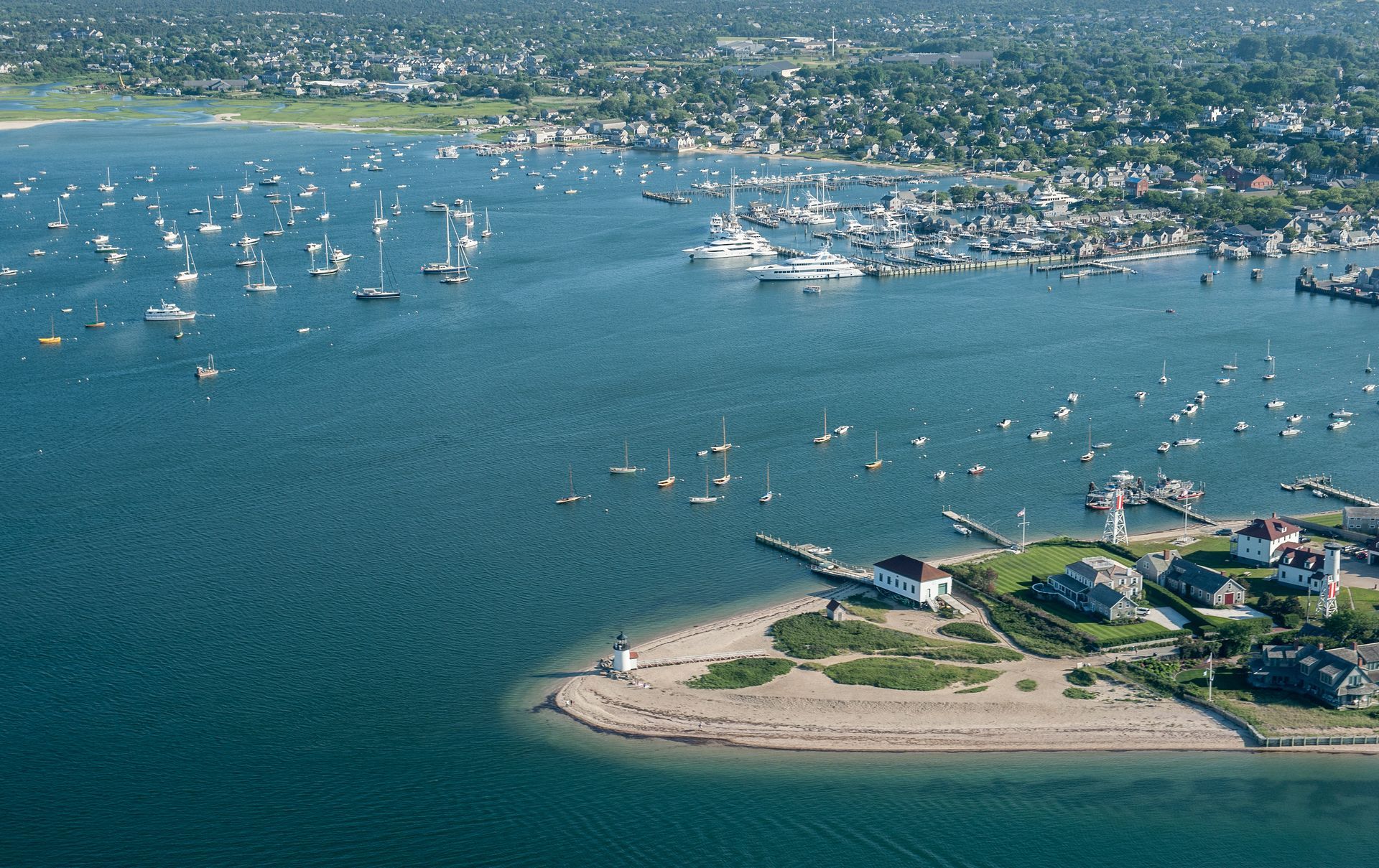
Nantucket does not fit the cookie-cutter story of patriotism during the Revolutionary War. In fact, islanders wanted nothing to do with the Revolution, so much so that Nantucket was regarded by the rest of New England as an island of Tories. Instead of supporting the cause, mariners chose loyalty with London, fearing the repercussion of severing ties with one of their most lucrative markets.
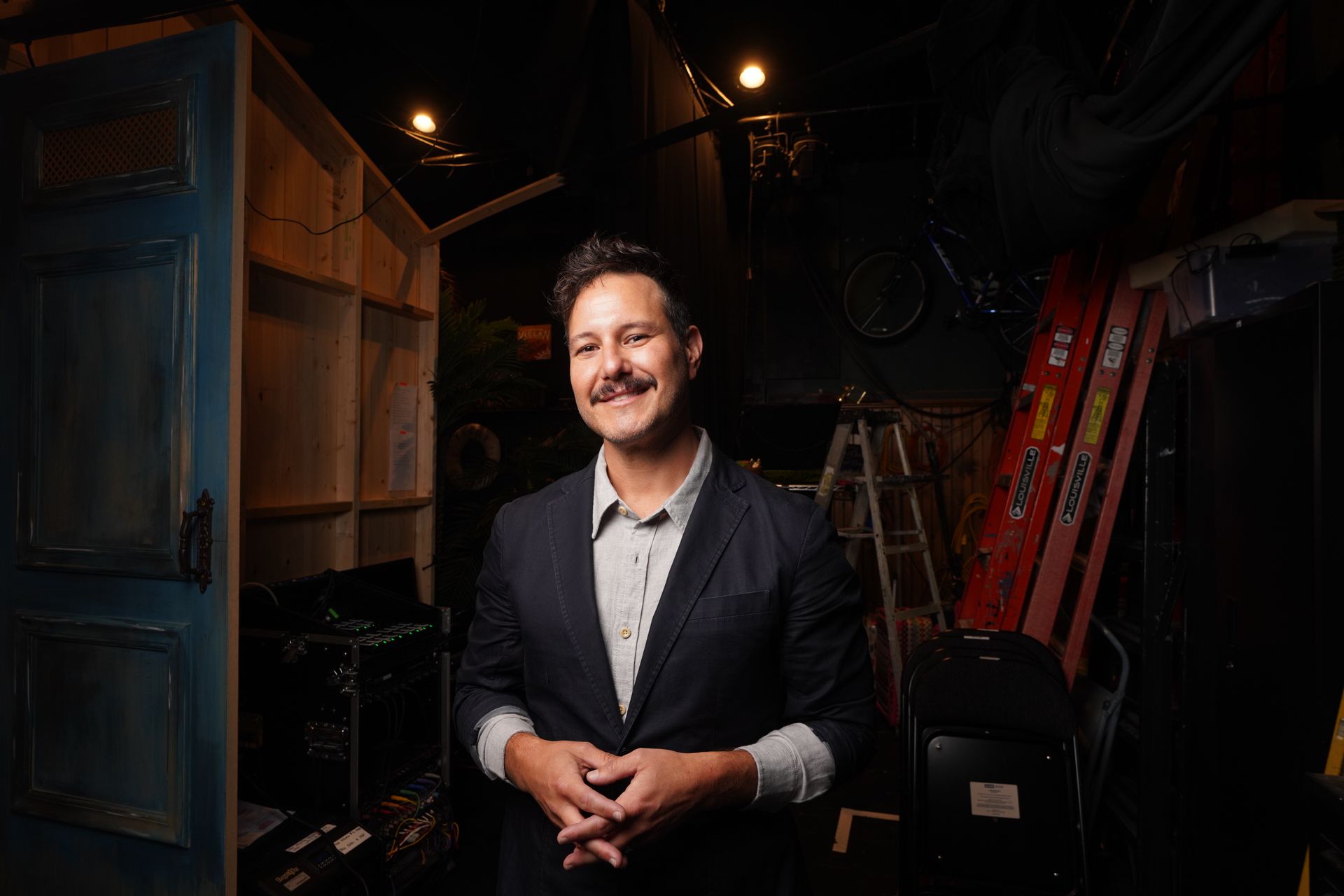
"We don’t have Nantucketers that fought on Bunker Hill,” said Nantucket resident and bestselling author Nat Philbrick. As the war started, island merchants struggled to make ends meet, a problem that got so bad that by the winter of 1780, residents were surviving primarily on rats and seagulls. At the same time, they were at odds with most of Massachusetts. Nantucket was even attacked by patriot marauders from the Cape during the war.
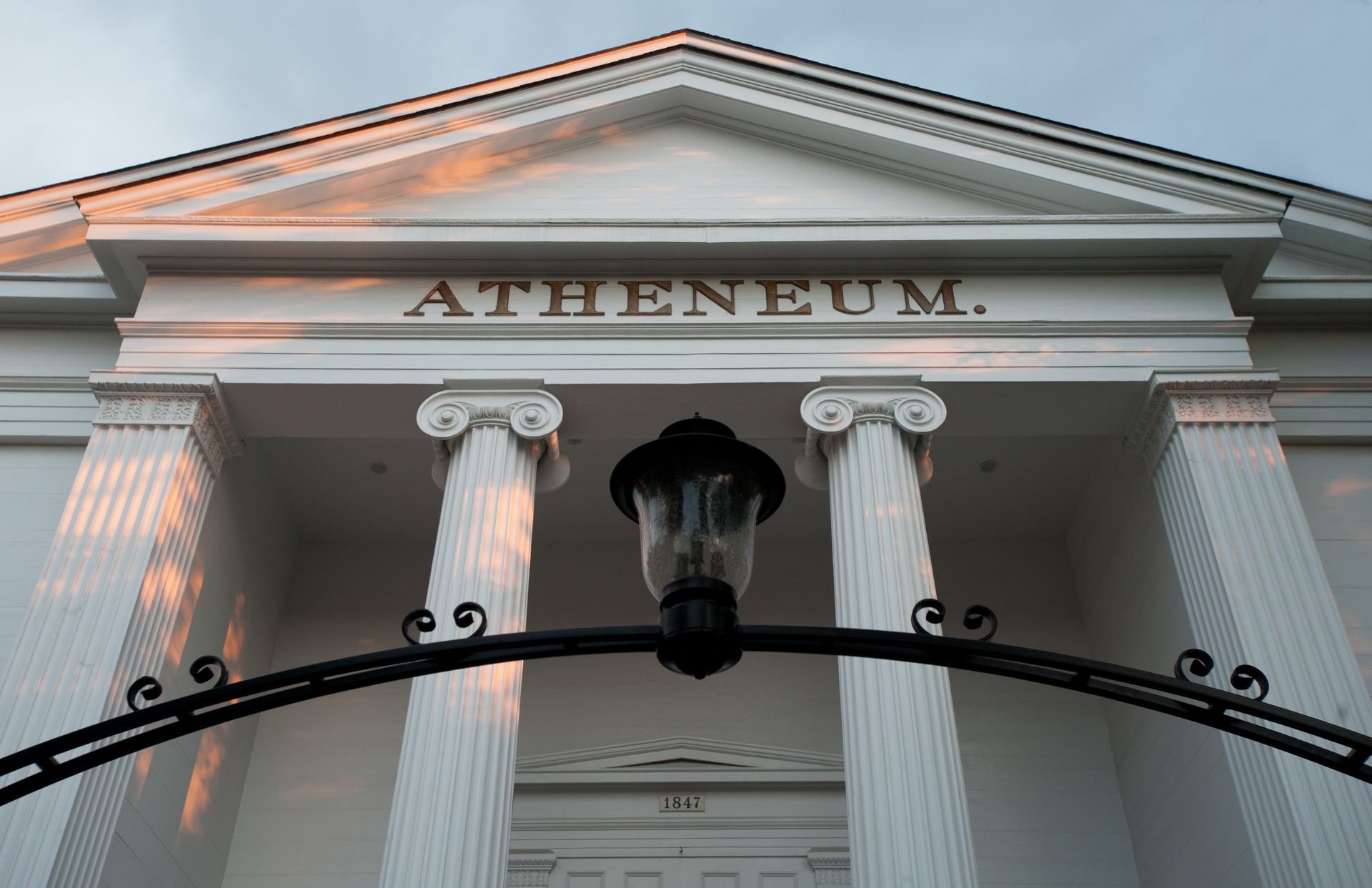
“Islanders looked at the Revolution as a collective trauma that put them at odds with everybody,” Philbrick said. This July, Philbrick—who has been researching Colonial America and the American Revolution for over two decades—will speak about Nantucket’s role in the American Revolution and the 250th anniversary of the Declaration of Independence at the Nantucket Atheneum’s first-ever Luminary Award Dinner, where Philbrick will receive the inaugural award.
According to Philbrick, a childof the ’60s who grew up reading the Pittsburgh Post-Gazette and watching Walter Cronkite on the CBS Evening News, the nation has always been divided. The country he came to know over the nightly news was embroiled in deep political division that made it seem to a young Philbrick like everyday the country was teetering on the brink of collapse.
Several years ago and over a dozen books to his name later, Philbrick embarked on a journey to retrace George Washington’s steps on the presidential tour he took around the new nation to convince residents from Massachusetts to Georgia that a federal government could unify even the slave-holding South and the anti-slavery North. On that trip, Philbrick realized the division he had witnessed as a kid paralleled the political uncertainty of the new nation—and that the division lives on today, only in a new form. It’s not that history is repeating itself, he said, but, as Mark Twain put it, history “often rhymes.”
"I grew up in Pittsburgh, where there were helicopters in the sky and a neighborhood on fire beside my own, and race riots in the high schools,” he said. “[The ’60s] felt like things were out of control, and it’s different kinds of forces at work now. It’s a similar but different sense of our whole system being on the brink. I think the 250th anniversary [of the Declaration of Independence] is well timed in terms of reflection, and it’s my sincere hope that this moment of looking back will enable our country to see what really matters and hang on to the essentials that will keep us here in the future.”
As the first recipient of the Atheneum’s award, Philbrick will be speaking on not only his body of work, but the American Revolution and the early days of the young republic. And with the country gearing up for both national and local celebrations for our 250th anniversary—including the typical pomp and circumstance of fireworks and parades, as well as a UFC fight at the White House—Philbrick has fluctuated between outright pessimism over the future of the country and reassurance that things have a way of working out.
“The times now feel very perilous,” he said. “We feel like we’re on the edge, but what I’ve begun to realize is it always feels that way, and it’s only in retrospect where we can say, ‘Well, they had it figured it out in the past,’ but they didn’t. No one has ever had it figured out. We were born in a revolution, we were born amid controversy, amid disagreements, amid violence, and it’s how we came into being. Every generation enacts a version of that. Sometimes it’s more partisan and ugly than others, but it’s part of the democratic process, where people who don't necessarily agree are forced to come to some kind of terms.”
Perhaps the best example comes from close to home. Annual Town Meeting, sometimes called the last true vestige of democracy, remains at the core of town politics on Nantucket while serving as a blueprint for a functioning democracy that values civil discourse, diverse opinions and the rule of law.
“That is democracy at its bare-knuckle best, and it’s every spring we enact the process that is at the heart of this country,” Philbrick said. “It’s an experiment. We’re the only republic that is a long-term republic that’s emerged from a revolution and been around this long, and I think it’s always going to feel tentative and on the brink, and it just goes with the territory.”
The other example for Philbrick is George Washington, whose first presidential tour Philbrick followed and then wrote about in Travels with George. Washington had a golden opportunity to become a monarch in the new nation but chose to abdicate power after two terms and sail off into the sunset. Philbrick’s Atheneum presentation is titled “250 Years Later: American Independence and the Advent of George Washington.”
“Someone like George Washington, who had been in a position tobecome a version of a king, resisted that and made possible who we’ve been since. I think that’s an example that should be a source of inspiration for this country moving ahead,” Philbrick said. “What matters is the rule of law, that no one personality, no one is above the law, that we have our system of government that’s about the people. I think we have to see that. That’s how the founders saw it working.”
It’s not lost on Philbrick that he’ll be delivering that message at an event organized by a public library, the institution that provided him with a home base when he first moved to the island. Public libraries and the constitutional freedoms of speech, religion and expression go hand in hand, he said. As Atheneum Executive Director Leslie Malcolm put it: “The Atheneum stands in the community as a trusted information source. All public libraries serve as that within their communities. Civic values are at the core of what we do. We want an informed citizenship. We offer it for free.”
“It’s what the Declaration of Independence and our Constitution are all about,” Philbrick said. “There really isn’t an institution on this island that embodies the importance of free speech and the right of access to knowledge and the cultural aspects of our society [like the Atheneum].”
The Nantucket Atheneum’s Luminary Award Dinner honors author Nathaniel Philbrick on July 10 at the Nantucket Hotel.
Latest Stories