A Lighter Footprint


May 22, 2026

How Respoke transforms vintage designer silks into handcrafted footwear

Written by Madeline Bilis

Photography by Brian Sager

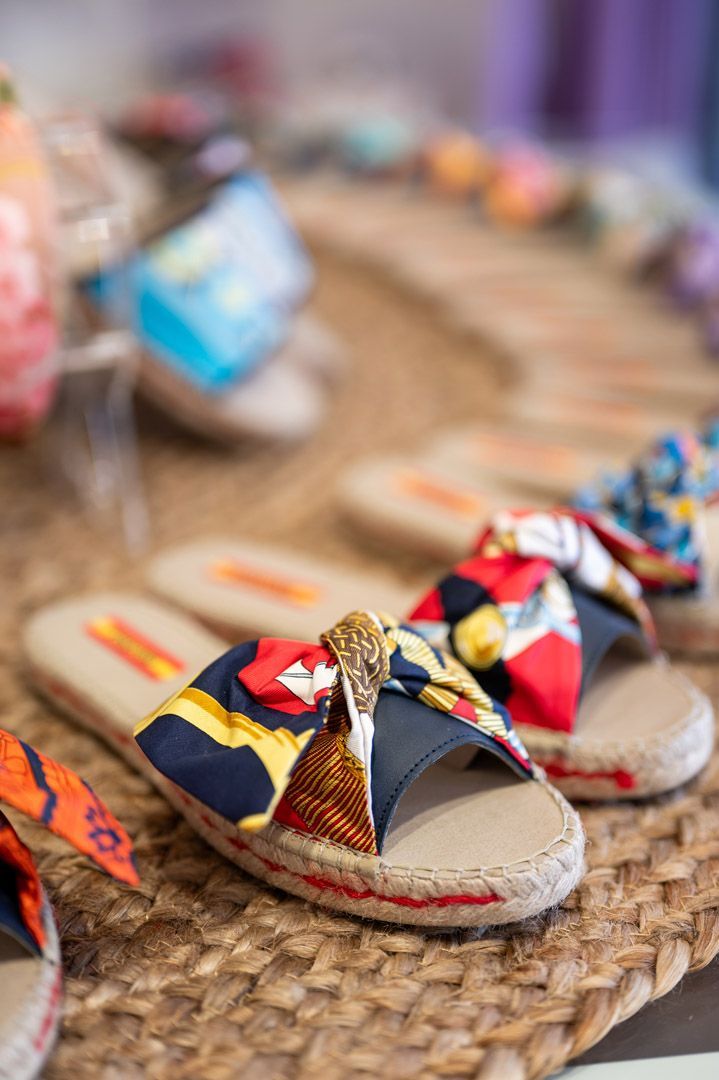
When Respoke was founded in 2016, it began with a simple question: What if the singular beauty of an Hermès scarf could transform run-of-the-mill espadrilles into eye-catching shoes? The answer became a brand. Respoke, short for “repurposed bespoke,” is built on the idea of creative reuse. Each pair of espadrilles incorporates existing scarves and materials through a unique upcycling process, resulting in an eco-friendly shoe that’s one of a kind.


“We’re trying to hold on to something that already existed and push it forward in a new, exciting way, rather than hacking down trees and destroying the planet just to make something as cheaply as possible,” said founder Chris Bartick. Bartick opened the first Respoke location in Provincetown with his former business partner, Michael Tonello. Tonello, once a fashion stylist, was an avid collector of designer silk scarves and had been spending half the year in Spain. During his summers there, he noticed the classic field shoes everyone was wearing—espadrilles—looked pretty bland. Combining the shoes with the scarves felt like a natural next step.

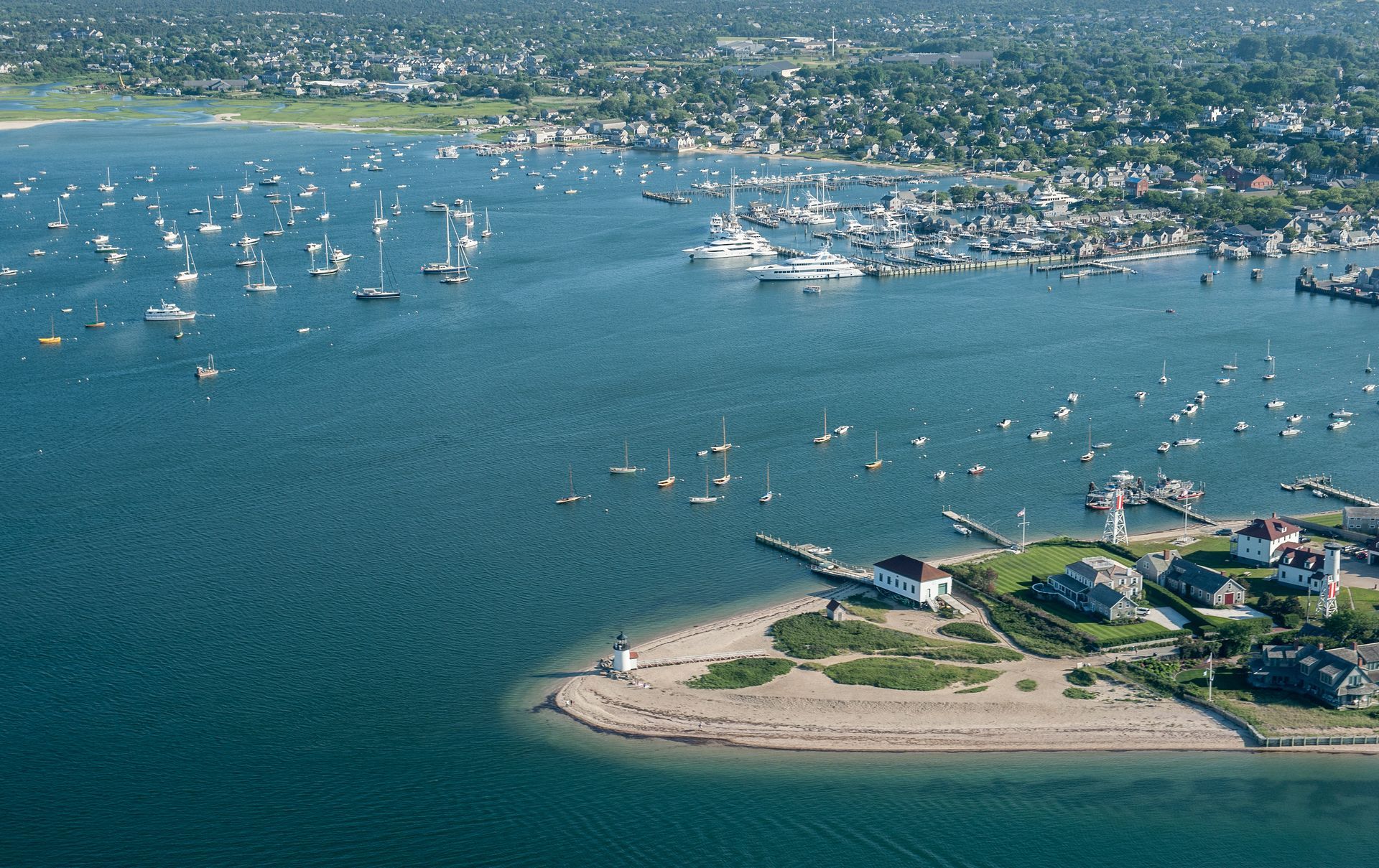
After their initial launch, Respoke’s handcrafted espadrilles soon found their way to Bergdorf Goodman, Bloomingdale’s and Neiman Marcus, thanks in part to Bartick’s and Tonello’s fashion industry connections. It wasn’t long before the original shop grew to more locations. Respoke’s Nantucket outpost opened on Straight Wharf in 2021.


“When I started exploring other places, Nantucket was the most logical [choice],” said Bartick, who has since taken over the company. “I love being on island and being in the store. It’s my favorite store to stand in because we’re on the water and there’s so much life—with everyone just getting to the island and people going to Cru.”


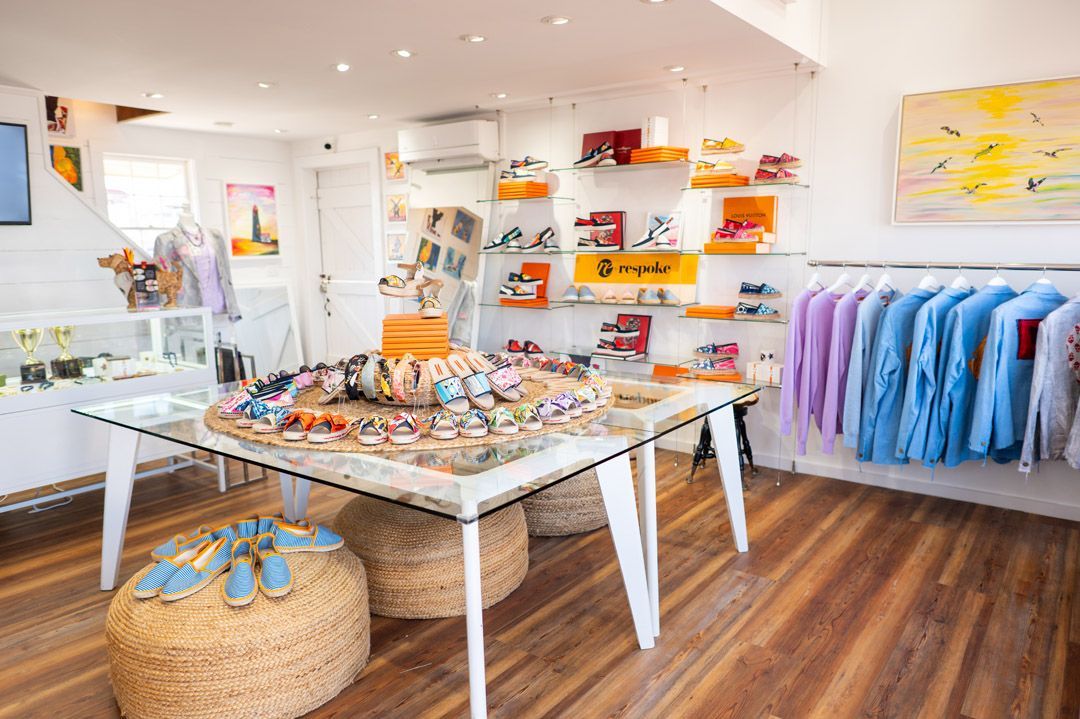
Since its founding, Respoke has expanded beyond espadrilles to mules, wedges, slides and sneakers, which range from $425 to $695 and up. The company’s commitment to sustainability is also woven into every step of production. Each pair begins in a family-run workshop in the Spanish province of La Rioja, where craftspeople wind jute to form the shoe’s base and heat natural gum rubber to create the outsole.

“As much as possible, we’re using natural materials,” Bartick said. A cotton canvas upper follows, which is combined with a boldly patterned scarf. The scarves, which include not only Hermès but other iconic designers like Ferragamo, Gucci and Alexander McQueen, are found around the world at auctions, in stores, at estate sales, “and then some secret sources,” Bartick said.


Cobblers then hand-sew the shoe’s upper to its lower part, finishing it by stitching a rounded net-like design on the toe piece. With most other espadrilles, this step is done by machines. Bartick notes that few people know how to complete this specific type of hand-stitching—the artistry is passed down through generations.


“We happen to be able to have artisans who are keeping the skill set alive,” Bartick said. Many of them will sit on their back porch with their neighbors or family members and sew with views of rolling hills in the distance. “This is more than just sustainable scarves,” Bartick added. “It’s sustainable culture.”


The sneakers have an even more uncommon production process. They’re made from vulcanized rubber (rather than plastic),which is melted and poured into a mold. The craftsperson who makes the rubber outsoles does so in a cave in Spain because it maintains the same temperature and humidity levels year-round. “It can be 30-something degrees in the winter or very hot in the summer, but the cave remains constant, which I find so interesting and cool and natural,” Bartick said.


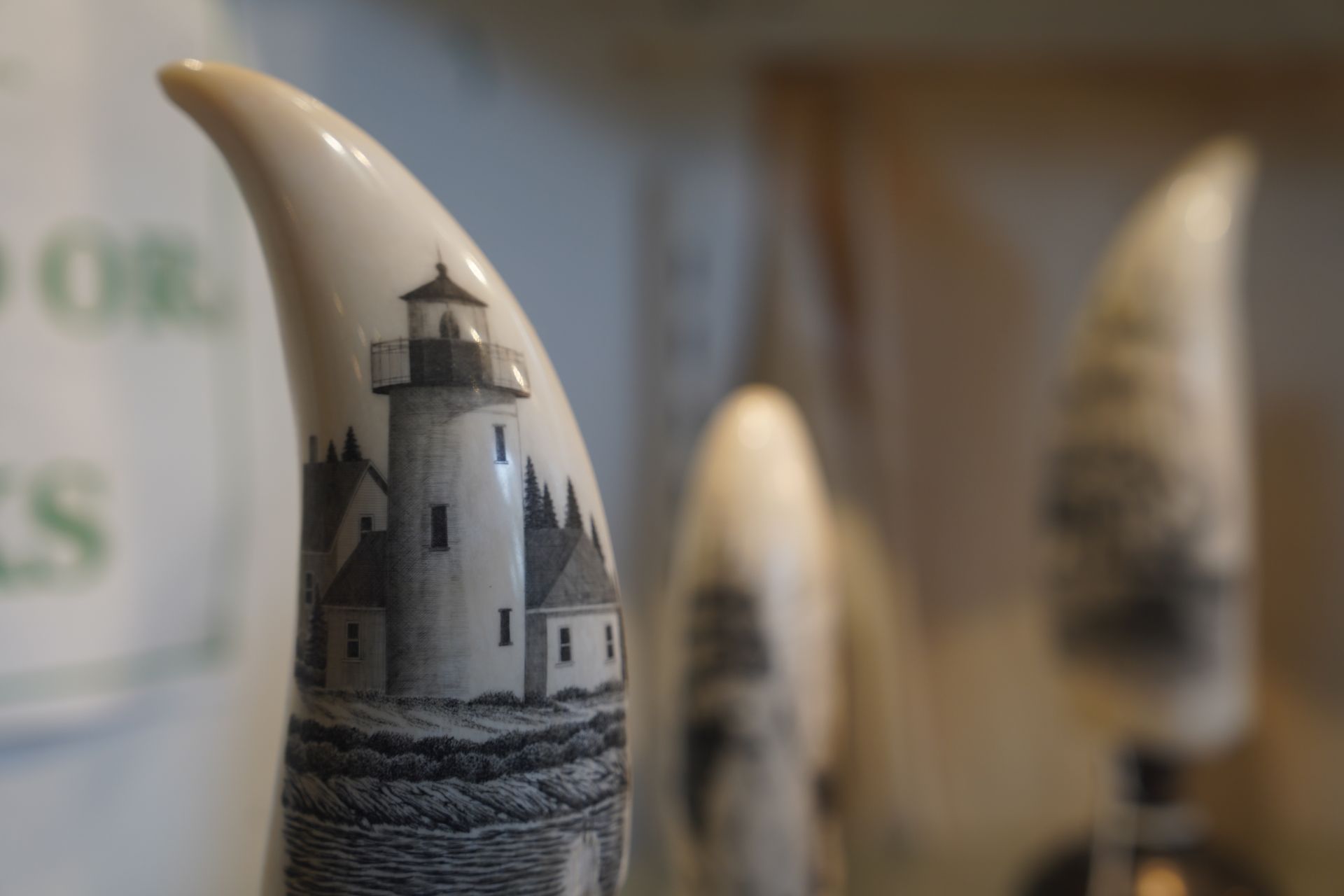
The fine art on the walls of each store is created by Bartick—he uses remnants of shoe materials to make collages with acrylic paint. Each one centers around the store’s location; Nantucket’s shop features works with images of Brant Point Lighthouse, seagulls, windmills and other island motifs. And while Respoke has grown to five locations across the U.S., the selection at each boutique is different. “Here, every single shoe is unique,” Bartick said. “So you’re getting something that really could only be purchased on Nantucket."

Latest Stories


By brianbushard August 6, 2026
Written by Brian Bushard Photography by Kit Noble For the past 10 years, Katherine Jetter has been selling her jewelry at her shop on Centre Street, The Vault. But unlike most jewelry stores, she is not only selling her own jewelry, but the earrings, bracelets and rings of 30 other couture jewelers. This month, she is showcasing those jewelers at a residency at Ten Easy Street, which runs through August 15. “The purpose is to celebrate our community and create a place to bring all of our clients into a social environment where they can get to know each other and experience all the things I love and curate on a deeper level in a social environment,” Jetter said. “I love bringing people together and curating, so I have curated some incredible experiences.”  How did you get into the world of jewelry making? I didn’t come from a multi-generational jewelry house where I had the privilege of growing up with a safe full of gems and access to everything. I’m completely self-made, and the only way that I could shine in a very saturated industry was to really teach myself to be an expert on specific subjects, so that I could really come from a place of knowledge. What did that process look like for you? I studied and studied books on the history of jewelry making. I went to every possible trade show I could find. I’ve been going to the Tucson Gem Show since I was 24 years old and I ask 10,000 questions. The thing that really made me learn was that I was never afraid to say what I didn’t know—why is this amethyst a $10 per-carat stone, and why is this amethyst a $200 per-carat stone? I found allies and friends in the industry that would help teach me and educate me. As a young 20-year-old, I found people who loved their craft who were excited to teach a young person what they knew. I would do everything from finding the rock to going to the mines. That is what I think really is different about me. I made it my business to be an expert and to study what I’m selling, so that I’m not just a designer who’s taking pretty objects and putting them together. I’m being very thoughtful about everything from the ground up—where it starts, how it’s made, the engineering of the piece and the execution. When you’re selling a product, if you don’t understand from the ground up the integrity of the piece, it’s a very different sales process than if you’re coming at it from a place of workmanship. Even though I specialize in certain avenues, I also recognize that there’s something for everybody, and if it’s not something that I’m making, I still want to find you. I love doing that; it really is what excites me. I’ve never had an ego around it being my way or the highway. If I don’t make what you’re looking for, I will find the expert that does.
By N Magazine August 4, 2026
FOGGY SHEET
By N Magazine August 4, 2026
FOGGY SHEET
By N Magazine August 4, 2026
FOGGY SHEET
By Paige Martino August 4, 2026
Interview by Paige Martino Photography courtesy of the Nantucket Historical Association Long before Greater Light became one of Nantucket’s most beloved historic houses, it was an aging 18th-century cow barn tucked away on what was then Bull Lane. Where others might have seen a weathered farm building, Quaker sisters Hanna and Gertrude Monaghan envisioned something extraordinary, transforming the humble barn into an exuberant home and art studio layered with salvaged architectural treasures, handcrafted furnishings and original paintings. They called it Greater Light . A hundred years later, Beverly Hall keeps HannaMonaghan’s spirit alive, putting on period clothes and performing as Hanna at Greater Light. “My feeling when I walked inside [Greater Light] for the first time was almost visceral,” Hall said. “One day during the process, I just got so immersed I said, ‘That house just needs someone to bring it alive.’ I just said it. I blurted it out. ‘Someone needs to be Hanna.’ The whole group turned around and said, ‘Beverly, why not you?’” Becoming Hanna meant immersing herself in Hanna’s memoir, filling pages with underlined passages, colorful notes and thoughtful observations tucked into the margins. She interviewed people who had known Hanna and spent countless hours researching both the Monaghan sisters and Greater Light itself. Along the way, she began recognizing unexpected parallels between their lives, particularly in their shared devotion to faith and the arts. “The attraction was immediate,” Hall said. “[Hanna] really sparked something within me, so I took it and ran with it.”
By brianbushard August 3, 2026
Written by Brian Bushard Photography by Kit Noble While they may not be household names in the true Hollywood sense, Nantucket’s summer population includes powerful producers, screenwriters and editors who are behind the scenes on the movies we all recognize. Indeed, Nantucket has an underground entertainment community that is in effect a hidden Hollywood.“I got involved in the Nantucket Film Festival before we bought a house on the island,” said Marc Resteghini, a producer with Amazon MGM Studios who executive produced the series Young Sherlock. “As I started to learn a little bit more about the festival itself, I started to realize there were a lot of people who either lived on the island or vacationed here from the entertainment industry.” Resteghini was named the new chair of the film festival this June. While Nantucket has a reputation for attracting politicians and Wall Street titans, lesser known is the fact that dozens of leaders in the entertainment industry have also found Nantucket as their summer refuge, just not the names you might know. “It’s like Sergeant Pepper Lonely Heart Club Band,” actor John Shea said. “We see each other but the last thing we want to do is talk about the film business. It’s more of a quiet acknowledgement of a fellow traveler thana fellowship.” “The Vineyard is where all the actors and the writers go, the creatives,” documentary film producer Annabelle Dunne added. Dunne summers on Nantucket. “I think a lot of people that work in Hollywood come here to be with their families, relax and enjoy Nantucket, not to network. But it is a small island, and sometimes when you take away the work component and you say we’re just getting together to get together, then things can happen.” 
MORE STORIES