ARE WE IN HOT WATER?


November 21, 2023

Warming ocean temperatures are impacting Nantucket waters.

story by Greta Feeney

This year, the late summer heat on Nantucket extended well into autumn. With ocean temperatures expected to hover around 60 degrees Fahrenheit through mid-November, the waters will be chilly but not mind-numbing, allowing some swimmers to expand their season to nearly eight months out of the year.


But the allure of a seemingly endless Nantucket summer is quickly offset by the stark realities of climate change, and concerns over accelerated warming of the North Atlantic Ocean—which on any given day is around 6 degrees warmer than the historic average—are rippling through the community.


New England’s waters are warming and not just by a little. In 2021, the Gulf of Maine Research Institute announced that the temperature of inlet waters adjacent to Maine and northern Massachusetts was the highest on record, with faster rates of warming than 96 percent of the world’s oceans and annual rate increases of 0.1 degree Celsius (0.18 degree Fahrenheit) over the past four decades.
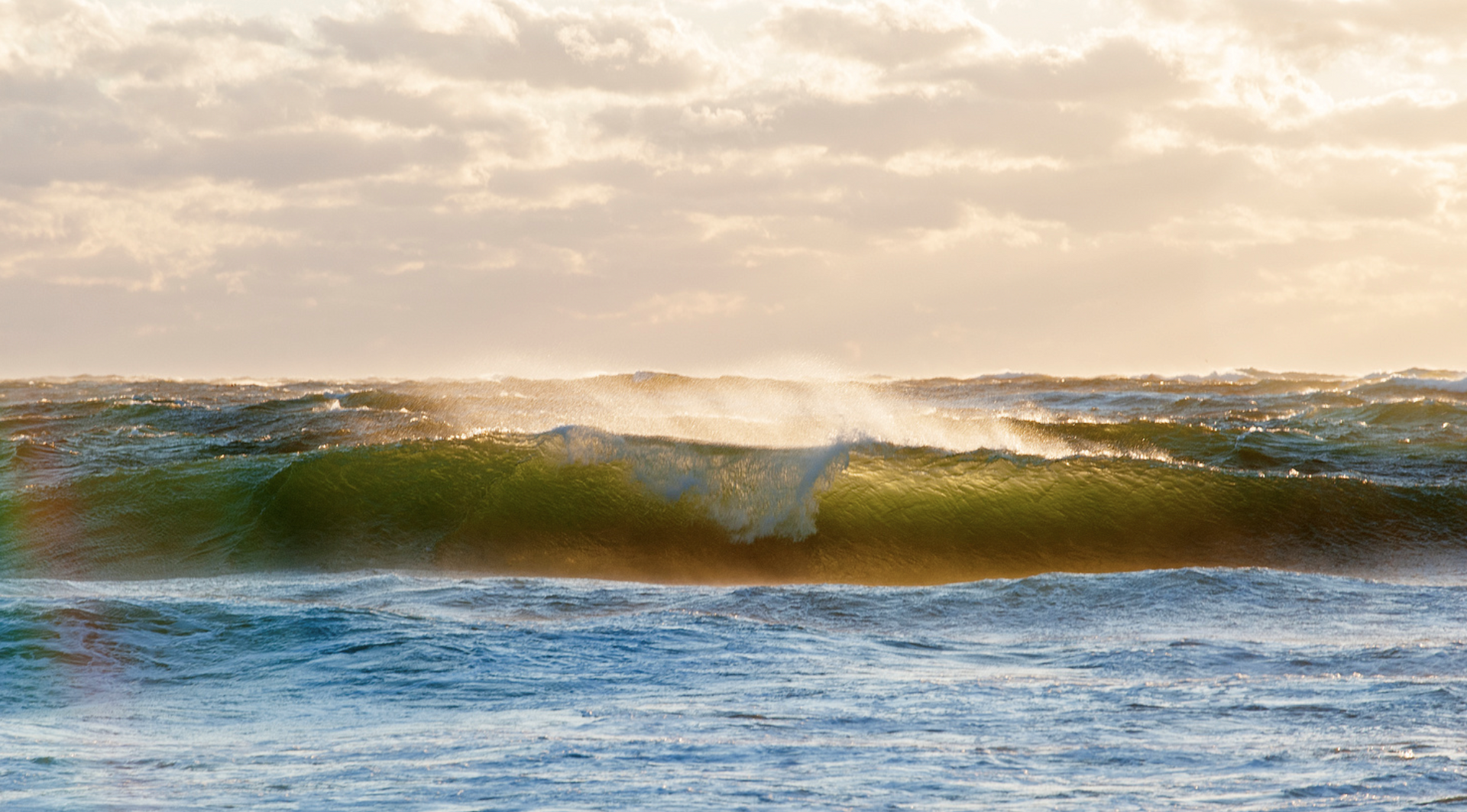
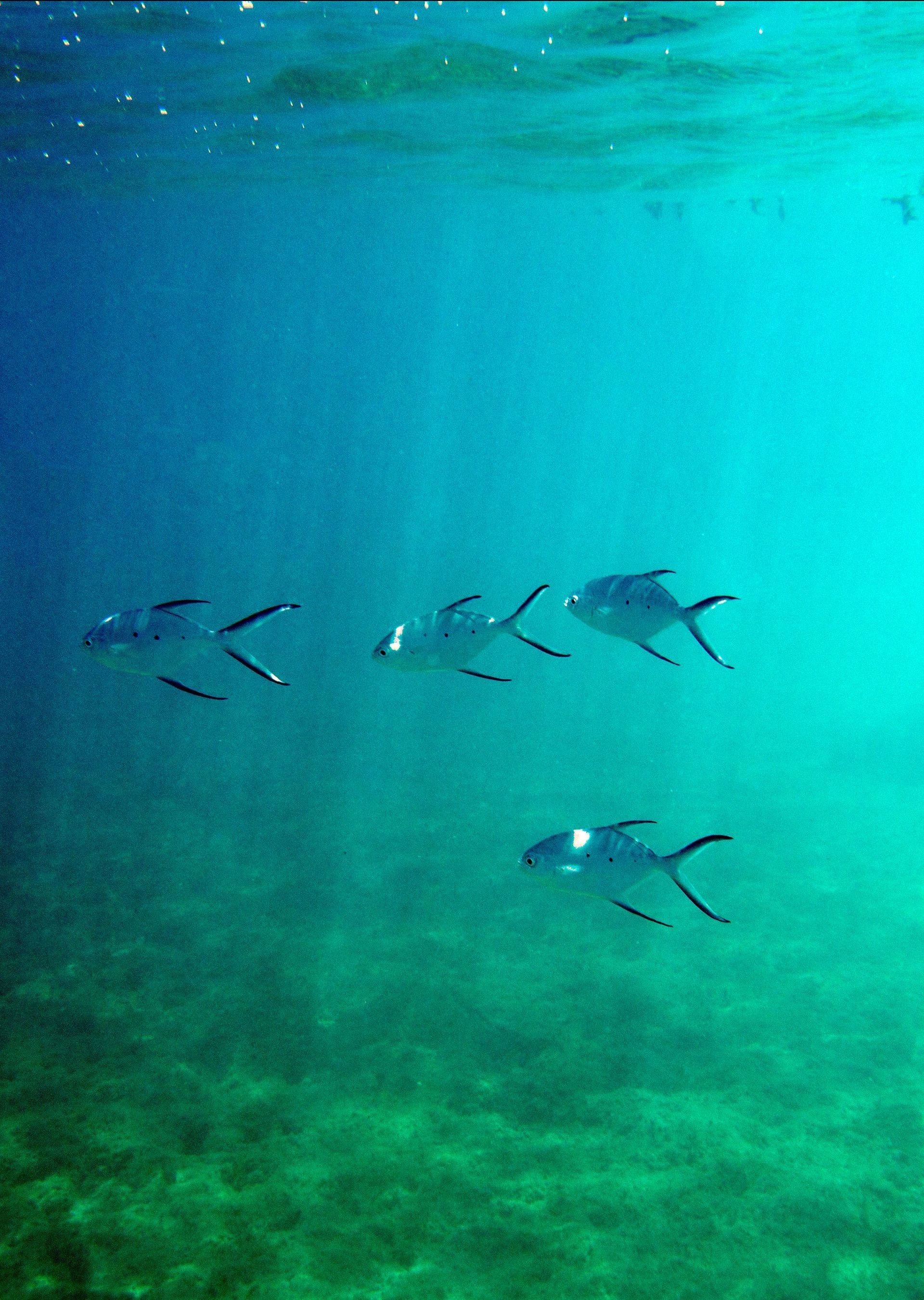
This is seemingly a pattern for the rest of the world, as well. From June through September, an estimated 40 percent of the world’s oceans experienced marine heatwaves, resulting in the mass death of Amazonian pink dolphins in Brazil, widespread coral bleaching in the Florida Keys and anomalous tropical fish sightings throughout New England due to an increase in what scientists call “warm core rings”—swirling blobs of the swollen Gulf Stream that break off from the main current and carry unwitting warm-water sea creatures north into cooler climes.


The Maria Mitchell Association has been monitoring marine biodiversity and tropical fish abundance in Nantucket’s eelgrass ecosystems for over 15 years. According to the association’s aquarium director, Jack Dubinsky, sightings of warm-water species are becoming more frequent. “Over the last decade, the MMA has found an average of three to six tropical fishes in Nantucket every season. In 2023, we found and identified 58 tropical fishes, including a single tow of the seine net [in early October] that had 25 juvenile permit (Trachinotus falcatus) and six juvenile mojarra (Eucinostomus sp.). We suspect the extraordinary tropical fish abundance is most likely due to higher survival rates of tropical fish larvae facilitated by record-breaking Atlantic Ocean temperatures this year.

Ocean temperatures are influenced by myriad complex factors including deep sea currents, volcanic eruptions and recurring patterns such as El Niño and La Niña, but scientists correlate recent accelerated warming with exposure to increased concentrations of greenhouse gases— excess carbon dioxide and heat trapped in the atmosphere are transferred upon contact to the cooler ocean water, leading to warmer temperatures and increased acidification. This dynamic climatic relationship between sea and sky is, in part, how the oceans function collectively as the world’s largest “carbon sink.”


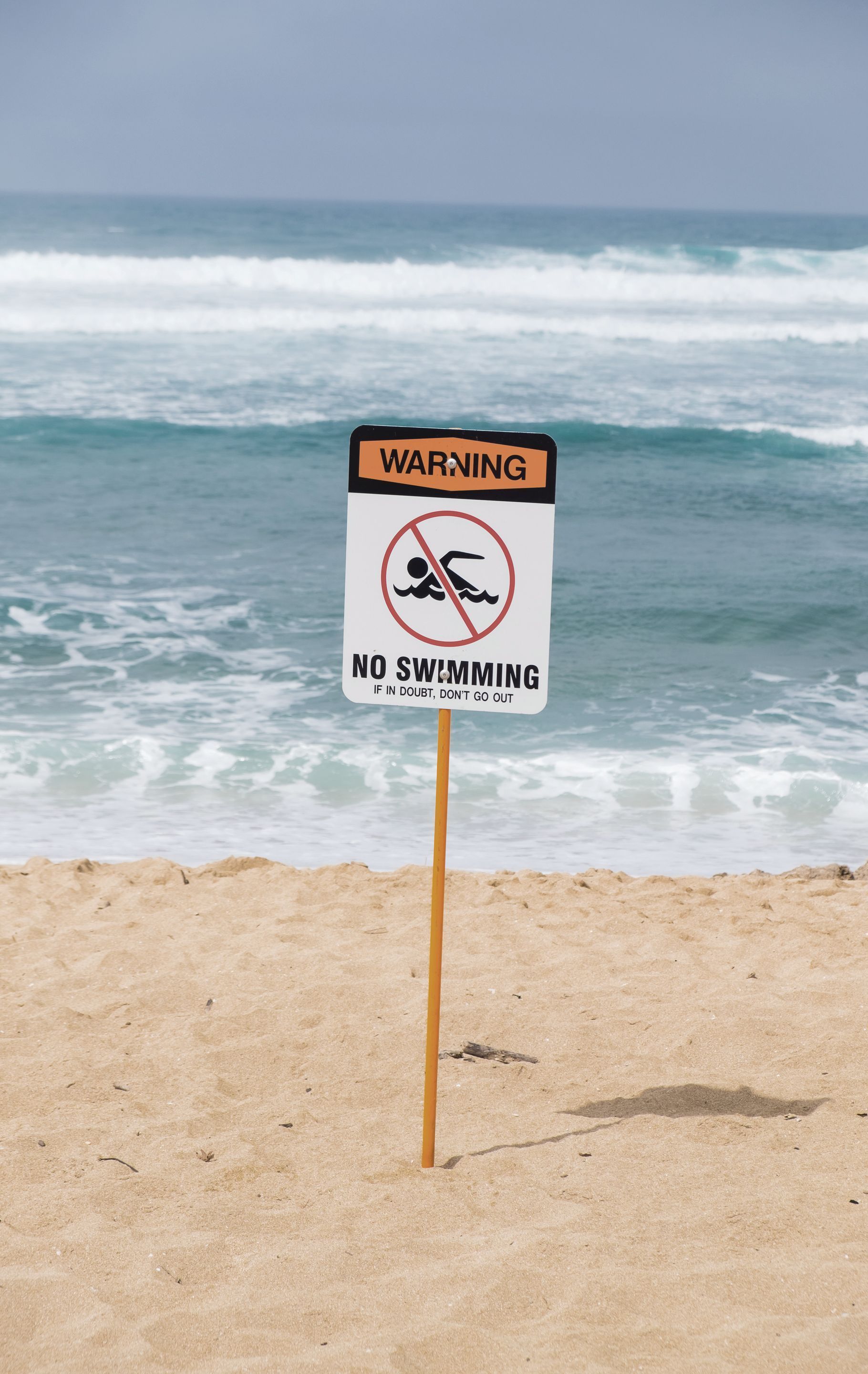
This was exemplified in late July, when nine Nantucket beaches were closed to swimmers due to high bacteria counts. One month later, for the second year in a row, downtown beaches were closed after being found sullied by a sulfuric-smelling anoxic sludge.


Scientists at the Woods Hole Oceanographic Institution described an uptick in hypoxic conditions at the southern end of Cape Cod Bay near Barnstable and in the waters between Provincetown and Wellfleet. These low-oxygen “dead zones,” according to the institution, are the result of imbalances in algal growth spurred by excess nutrient loads and increased upper ocean stratification, in which the warmer layer of seawater expands quickly relative to the cooler one, resulting in changes in water density—a complex mixing process also affected by shifting northeasterly wind patterns.

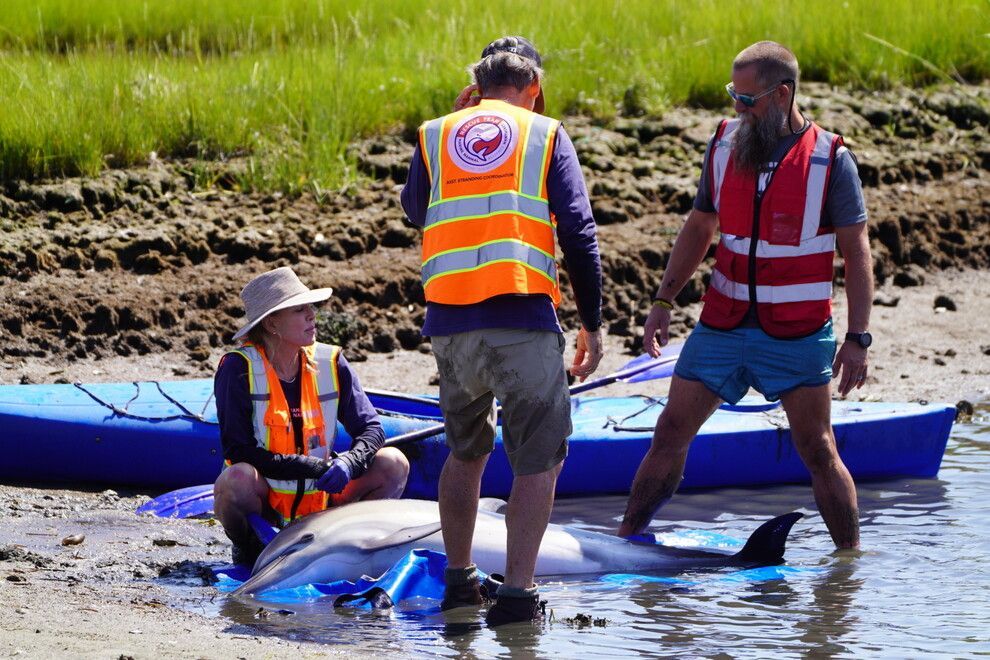
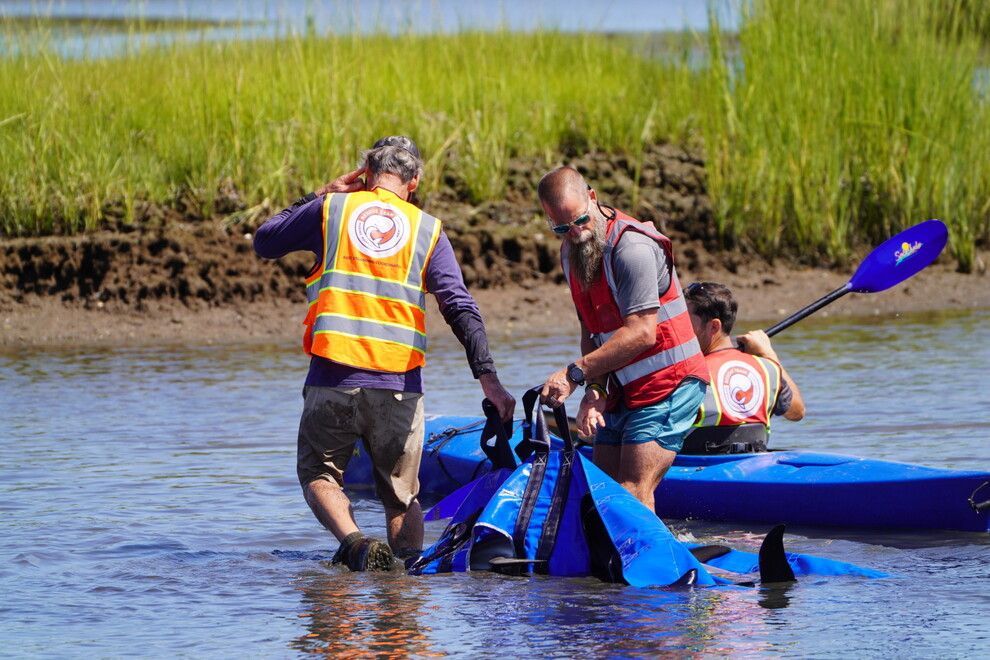
Days after the decomposing algae shuttered beaches, a trio of distressed and disoriented dolphins stranded themselves in the Creeks and on Coatue, only to circle back again after volunteers from the Marine Mammal Alliance tried to release them into deeper, cooler waters. The mid-August stranding event foreshadowed the September release of the 2023 State of the Ecosystem report by the National Oceanic and Atmospheric Administration. The report presented a sobering look at climate resiliency in the Northeast shelf ecosystem and its fisheries that underscores the increasing vulnerability of marine mammals to climate change.


NOAA researchers found that more than 70 percent of the 100 species of marine mammals studied are vulnerable to threats such as loss of habitat and food due to increased water temperatures, low levels of dissolved oxygen in sea water and other changes in ocean chemistry that can affect sound transmission underwater—an impact that disrupts the sonar-like echolocation whales and dolphins use to communicate and hunt.


On factors specific to Nantucket, that could theoretically result in marine mammal strandings like those seen in August. The Maria Mitchell Association’s Dubinsky explains. “I think the shallow environment, along with the effects cited in the NOAA study could possibly explain some of the stranding, but I imagine it would be difficult to ascertain whether the cause of the specific recent stranding event was due to anthropogenic changes to the marine environment or if it was a ‘natural’ occurrence. Long-term monitoring of strandings events and analysis of stranding trends will help us better understand how climate change affects marine mammal strandings on Nantucket.

The Marine Mammal Alliance Nantucket team with one of the dolphins that was stranded on Nantucket in August. Photos by Kit Noble

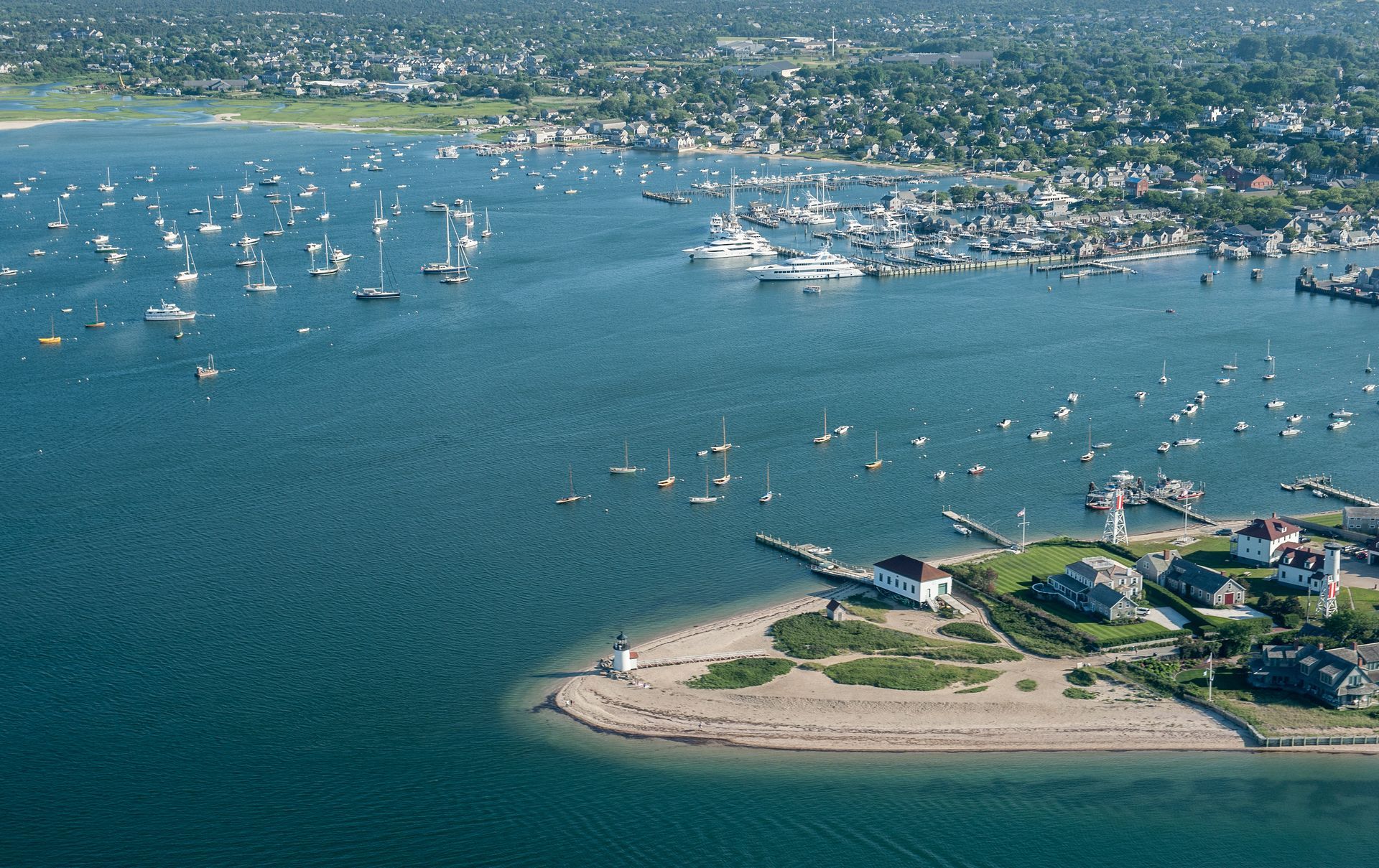
Because the confluence of issues that contribute to a rapidly warming North Atlantic Ocean are largely out of their control, most local scientists are opting to hunker down on the more immediate problems affecting the health of Nantucket Harbor, while protecting the island’s coastal wetlands and ponds. RJ Turcotte, waterkeeper at the Nantucket Land & Water Council, has been using remote sensors to track increased ocean temperatures at eelgrass restoration sites at Monomoy and Fifth Bend since 2018.


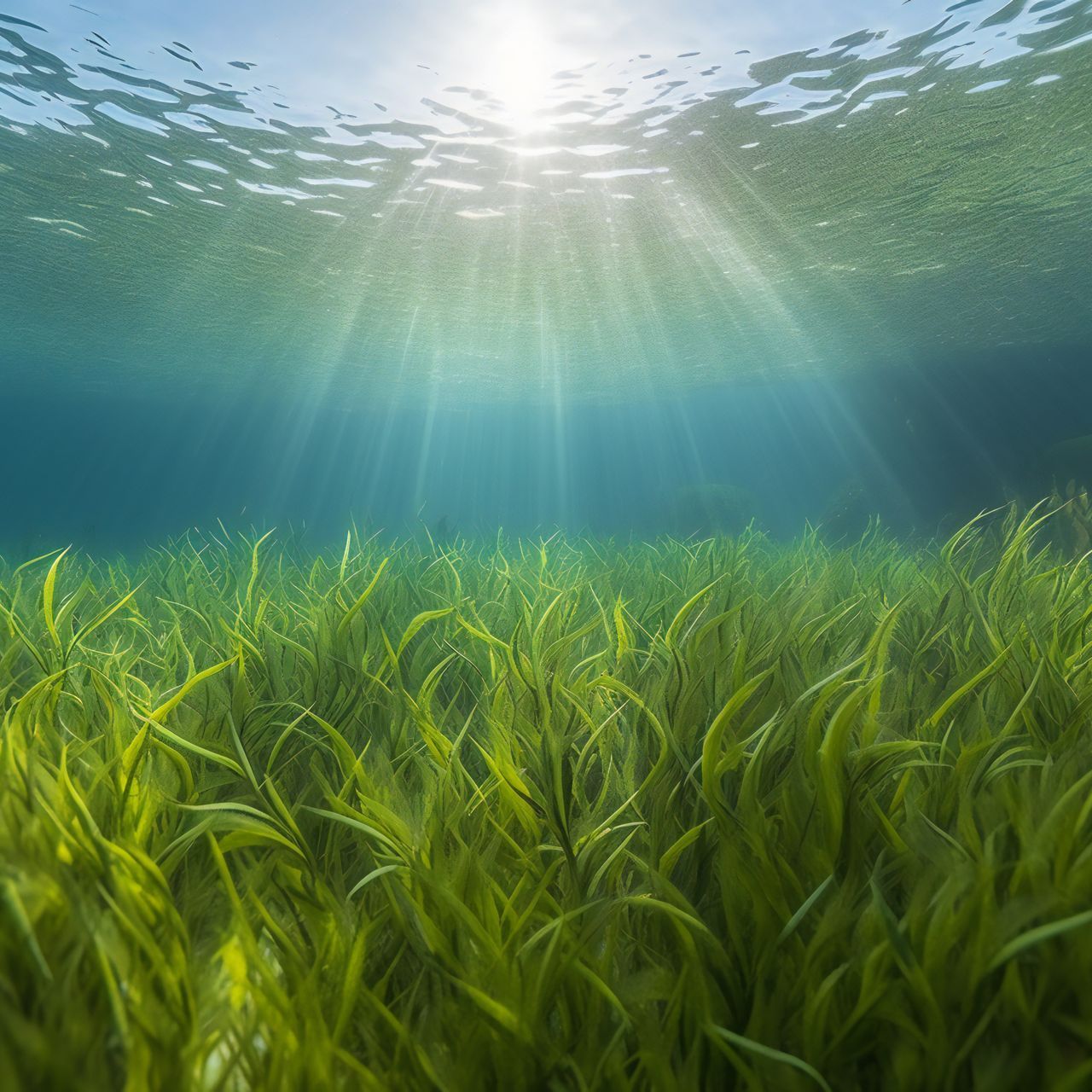
“The temperatures in the harbors have been regularly stressing our eelgrass meadows,” Turcotte says. “Once the water temperature gets over about 75 degrees Fahrenheit, these plants stop growing—they are simply trying to survive. By July, our shallow harbors are regularly reaching this threshold temperature and staying there until fall. This shortens the growing season, especially in the northern reaches of Nantucket Harbor, which aren’t as well-flushed with cooler ocean water by the tides each day. We are concerned that these rising temperatures will cause us to lose these critical eelgrass meadows, which are the foundation of the Nantucket Harbor habitats.”


The Nantucket Conservation Foundation monitors the ocean temperature as a variable in many of its research projects around the island, including a long-term project tracking mating populations of horseshoe crabs at Warren’s Landing in Madaket Harbor and a Polpis Harbor oyster reef restoration project. Since 2010, the foundation’s researchers have observed correlations between an accelerated increase in water temperatures and horseshoe crab mating season happening earlier in the spring.


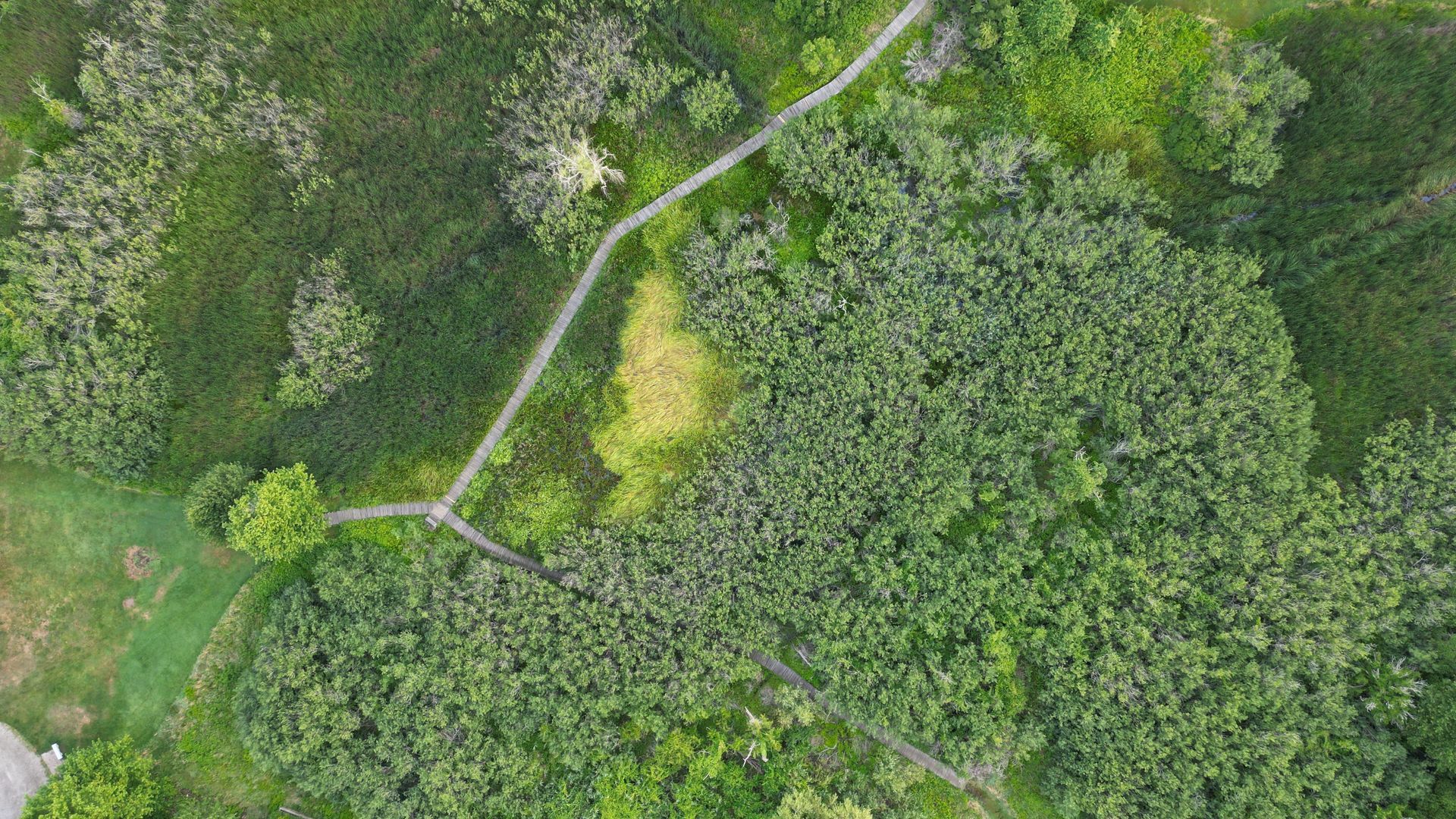
As the harbor continues to warm, Nantucket’s coastal wetlands will play an increasingly important role in countering the impacts of nutrient loading and the threats caused by increased acidification. Dr. Jennifer Karberg, NCF director of research and partnerships, explains how Nantucket’s 1,600 acres of salt marsh—1,200 of which are managed by NCF—“act as filters, reducing nutrient loading and filtering water as it reaches the harbor.” Regarding ocean acidification, Nantucket’s coastal wetlands “store significant amounts of carbon in their soils.” Part of NCF’s mission is studying and managing local salt marshes to increase carbon storage, which helps improve harbor health.
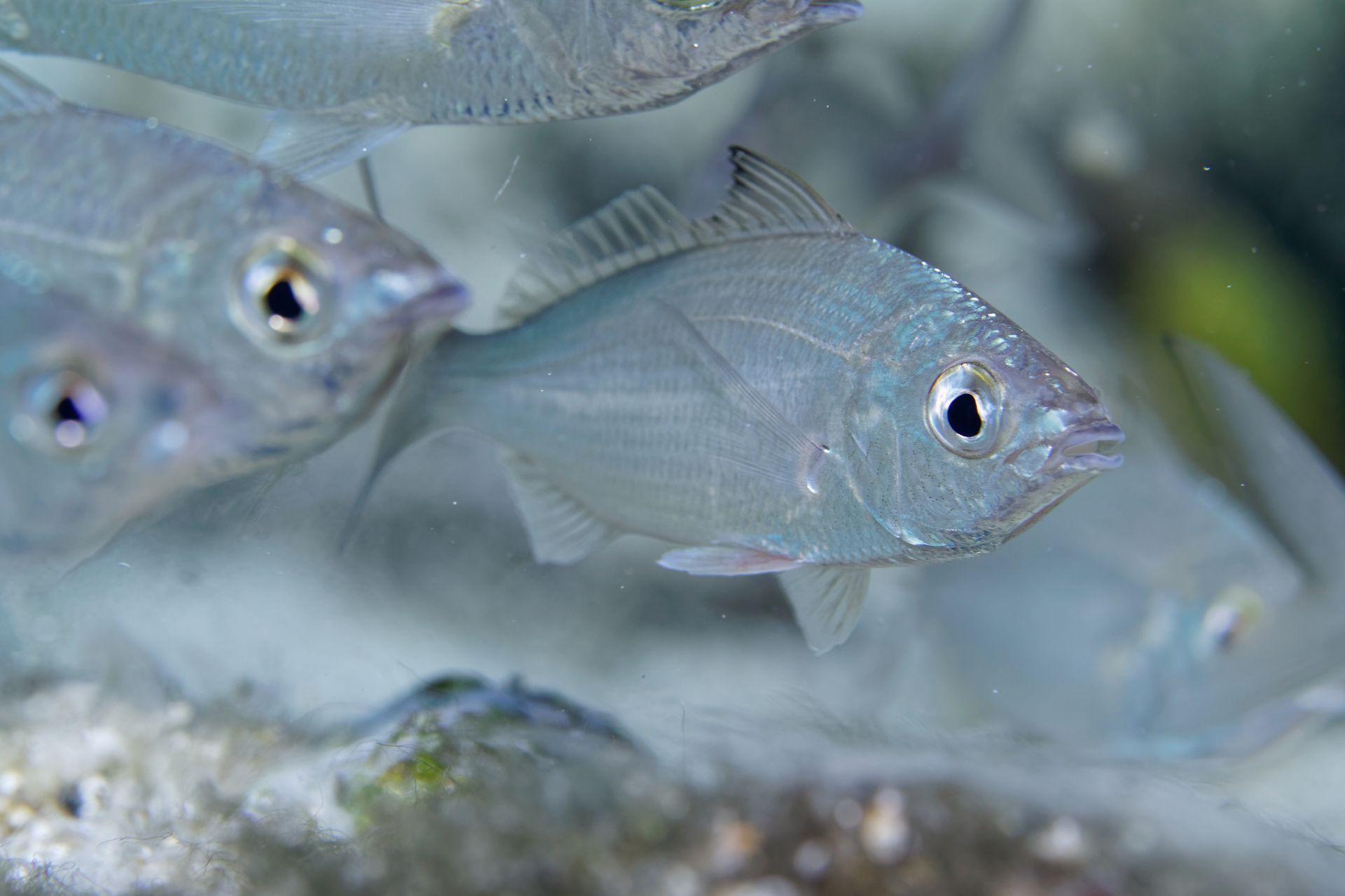
Ecologist Dr. Sarah Bois, director of research and education at the Linda Loring Nature Foundation, points out that, when it comes to warming oceans, “fisheries data is a focal point for the scientific community because it is of economic interest to everyone. The climate change aspect is more when the populations change. With fish, they can move north, or they can move deeper. Habitat fluctuations occur according to what the tolerances are. The black sea bass is one that gets talked about a lot. It was seen sporadically here and there, but as waters warmed, the populations have moved north. Now, they are a pretty constant fishery.”


Although he acknowledges the seriousness of concerns about climate change, second-generation charter boat captain Bob DaCosta doesn’t feel alarmed by increased sea water temperatures. “This year, temperature-wise it was maybe a degree or two warmer,” he says. “The water gets warmer earlier and stays warmer longer. We haven’t had any fall weather. The bait pattern has changed, though. We are seeing a difference in bait patterns year after year, and the bait pattern this year was completely off. We had to go south more to catch tuna because that’s where the bait was. You just have to adapt.”


We all have to adapt, but how? Nantucket’s experts emphasize the need to reduce nutrient pollution such as fertilizer runoff in light of increased ocean temperatures and acidification. Stormwater runoff infrastructure must also be improved to keep pollutants out of the harbor, and initiatives like the Nantucket Land & Water Council’s new eelgrass-friendly moorings must be supported and implemented so that boaters can help preserve the harbor while still enjoying it each summer. The Maria Mitchell Association has recently launched an ocean acidification monitoring project that will deploy oceanographic buoys in Nantucket Harbor to monitor seawater conditions. It is seeking support for this important, partially funded initiative, which will allow for independent assessments of several oceanographic parameters, including acidity, temperature, salinity, dissolved oxygen and nitrate, the primary nutrient responsible for algal blooms in marine systems.


The ocean connects us all. It has also been a buffer against the full consequences of human-caused climate change, but the excess heat and carbon absorbed by the ocean are changing our marine ecosystems more quickly than predicted. Ocean innovation solutions are also accelerating, but systemic change will require strong leadership, technological innovation and public-private collaborations. Now, more than ever, the Nantucket community needs to lead the way as pioneers in the new blue economy. “One of the things that gives me hope is human ingenuity,” says Dr. Kathy Mills, who heads the U.N. Ocean Decade’s fisheries strategies unit and is a senior research scientist at the Gulf of Maine Research Institute. “I think that spirit is an innate part of human culture.”

Latest Stories

By brianbushard August 3, 2026
Written by Brian Bushard Photography by Kit Noble While they may not be household names in the true Hollywood sense, Nantucket’s summer population includes powerful producers, screenwriters and editors who are behind the scenes on the movies we all recognize. Indeed, Nantucket has an underground entertainment community that is in effect a hidden Hollywood.“I got involved in the Nantucket Film Festival before we bought a house on the island,” said Marc Resteghini, a producer with Amazon MGM Studios who executive produced the series Young Sherlock. “As I started to learn a little bit more about the festival itself, I started to realize there were a lot of people who either lived on the island or vacationed here from the entertainment industry.” Resteghini was named the new chair of the film festival this June. While Nantucket has a reputation for attracting politicians and Wall Street titans, lesser known is the fact that dozens of leaders in the entertainment industry have also found Nantucket as their summer refuge, just not the names you might know. “It’s like Sergeant Pepper Lonely Heart Club Band,” actor John Shea said. “We see each other but the last thing we want to do is talk about the film business. It’s more of a quiet acknowledgement of a fellow traveler thana fellowship.” “The Vineyard is where all the actors and the writers go, the creatives,” documentary film producer Annabelle Dunne added. Dunne summers on Nantucket. “I think a lot of people that work in Hollywood come here to be with their families, relax and enjoy Nantucket, not to network. But it is a small island, and sometimes when you take away the work component and you say we’re just getting together to get together, then things can happen.” 
By Jack Bradner August 3, 2026
Written by Jack Bradner Photography by Kit Noble 
By brianbushard August 3, 2026
Written by Brian Bushard Photography by Kit Noble There are family vacations and there are family vacations. Some people take their kids to Disney World, some take their kids to a Caribbean resort. But Dan and Sarah Gault have taken family travel to an entirely different level. This August, the Gault family will take an 11-month trip of a lifetime from their house on Nantucket to 18 countries on three continents, traveling like vagabonds through Africa, Asia and Australia. Their four school-aged kids will join them for the entire length of the vacation, ditching the comforts of life on Nantucket for an education they would never receive in school. “On this trip, forget about watching a big screen TV,” Dan said. “We’re talking about things like clean drinking water and having electricity 24 hours a day. Showing them those things gives them perspective. It plants a seed in them for a lifetime.” The Gaults, by their own admission, are not ordinary travelers. Since their trip will take nearly a year, their four children—in eighth, seventh, fifth and third grade—will be homeschooled through a math and English curriculum, as well as a healthy dose of reading, journaling and cultural visits to museums and historical sites. Instead of a beach resort vacation, they’ll be in city centers and remote parks, immersing themselves in new cultures and languages. And since the children are growing—and taking up more space in their house on the island—the entire trip will coincide with a yearlong project to lift their house in Warren’s Landing, making more space for the family of six to spread out. For the time they’re gone, Sarah, a special education teacher at Nantucket Public Schools, will be on sabbatical and set to return for the 2027-2028 school year. Dan, who owns a property management company, handed the reins to his second-in-command for the time being. “My whole team stepped up to make this possible,” he said. “I was anxious to tell two groups of people—my employees, because I didn’t want them jumping ship, and my clients in the management world, because I didn’t want them to be upset. But they were maybe the most supportive.”
By Jen Laskey August 1, 2026
Four Drinks for August Written by Jen Laskey August inspires us to squeeze every last drop out of summer. Whether you’re ticking experiences off your end-of-season bucket list or practicing the lost art of doing nothing, or a little of both, Nantucket’s drink experts have the perfect pours to help you make the most of summer’s last call—from a Cointreau-based spritz to a Portuguese white blend and a lush bourbon and beach plum cocktail. Let’s all linger in summertime a little longer. COINTREAU CITRUS SPRITZ ($19.99, 750 ML bottled cocktail at The Islander) COINTREAU L’UNIQUE ORANGE LIQUEUR ($48.99, 750 ML bottle at The Islander) Recommended by ZEINA METRI,co-owner, The Islander If August has you in the mood for ready-to-serve simplicity, Zeina Metri recommends the Cointreau Citrus Spritz. It’s made with French white wine and natural citrus flavors, and the star ingredient is Cointreau, anorange liqueur distilled in western France that’s often used in margaritas and cosmopolitans. “Cointreau is such a versatile liqueur,” noted Metri. “It’s crafted from a blend of sweet and bitter orange peels and gives cocktails a depth and balance that elevates every other ingredient around it.”The Cointreau Citrus Spritz comes in two flavors—Orange & Blood Orange and Lemon & Lime. It’s light enough to day-drink with friends on a warm afternoon or to sip while watching those last summer sunsets. With its low alcohol level (10.5% ABV) and resealable screw cap, it’s perfect for a month when all you want to do is chill. Just pour it over ice and voila! “The Cointreau Spritz is bright, refreshing and vibrant without being overly sweet,” said Metri. And if you’d rather make your own, simply pour a splash of Cointreau into something bubbly. LUÍS SEABRA, GRANITO CRU DÃO BRANCO, BLEND OF ENCRUZADO, BICAL AND CERCIAL, 2022 ($155/bottle at Galley Beach Restaurant) Recommended by IEVA ALDINS, Wine Director, Galley Beach Restaurant Every summer has that one unforgettable discovery, and this year it might just be Luís Seabra’s Granito Cru Dão Branco, a white blend of three native Portuguese grapes: encruzado, bical and cerceal. “This wine is sunshine in a glass,” said Ieva Aldins, wine director of Galley Beach Restaurant. “It [has] mouth-watering acidity, voluptuous elegance, minerality and salinity that make it a perfect summer sipper.” Seabra is one of Portugal’s top winemakers. “He used to make wines for Niepoort Winery but now focuses on his own old-vine and terroir-driven wines,” said Aldins. “His Cru series focuses on sourcing vineyard sites with high mineral content—as the name [Granito] suggests.” Aldins recommends sipping the Granito Cru by the beach and pairing it with shellfish and seafood. “I particularly love it with our crab cake or lobster spring roll, as it has both the body to hold up to these dishes and the acidity to hold up to their richness,” she said. BEACH PLUM RUSH($16 at The Fairgrounds) Recommended by CONRAD MEURICE Bar Manager, The Fairgrounds The blushy golden-orange color and tart, floral notes from beachplum honey give this cocktail an unmistakably late-summer vibe. The Beach Plum Rush is one of the most popular signature drinks at the new Fairgrounds restaurant, said bar manager Conrad Meurice. “It brings together a traditional Kentucky straight bourbon with some local flavor flair of beach plum,” he said. “We balance out the cocktail with some fresh lemon juice and add Angostura bitters for a crisp citrusy finish with a hint of spice.”A riff on the Gold Rush, a type of whiskey sour made with honey rather than simple syrup, Meurice’s Beach Plum Rush gets an additional pop of flavor from honey that he infuses with beach plum. You can buy beach plum honey at local specialty food shops, but Meurice says you can also quickly mix up your own by stirring a little beach plum jam into some local honey. Best sipped at The Fairgrounds’ new flower bar, the Beach Plum Rush is a great pairing partner for the restaurant’s beet salad with salmon or shrimp, or the tuna poke bowl. Makes 1 serving - Glassware: Rocks glass Ingredients: - 2 ounces Kentucky straight bourbon• ¾ ounce lemon juice • ¾ ounce beach plum honey• Dash of Angostura bitters Instructions:
By brianbushard July 31, 2026
Written by Brian Bushard Photography by Kit Noble A taste of New York has arrived on Nantucket. By 10 a.m. on a Saturday, the bagels at Slow to Rise Bakery’s stand at the farmer’s market have all but sold out. Down the street, Bagel Bar (opened in June by the owners of sushi restaurant Bar Yoshi, no less), is peddling freshly baked bagels. Meanwhile, Nantucket coffee conglomerate Roastd is baking bagels at its Airport Gas shop for its four island locations. And on Old South Road, the Meat & Fish Market is baking bagels every single morning. “It seems there has been a bagel explosion,” Bagel Bar owner Marc Knight said over a brunch of bagel sandwiches and Italian paninis. “This whole idea started a year ago and [Bagel Bar] opened briefly last year. But when we hatched the idea, there wasn’t as much of a bagel scene.” But over the past few years, Nantucket’s breakfast scene has started to look a lot more like something out of Brooklyn. At the Meat & Fish Market, owner Sean Ready has been baking bagels in house and serving heaping bagel sandwiches since he opened the shop nine years ago. The Meat & Fish Market even introduced a Cisco bagel, made with the brewery’s Whale’s Tale Pale Ale. Meanwhile, the duo of Tucker Puljic and Katrina Newfrock have been running Slow to Rise on Nantucket since 2022, with classics like plain, poppy seed and cinnamon sugar, to a Middle Eastern za’atar spice bagel, an English muffin bagel and an Italian-style cacio e pepe bagel with Parmigiano-Reggiano and black peppercorns. This isn’t the first time Nantucket has seen everything bagels everywhere. In the mid-1990s, Nantucket got its first taste of New York bagels, when Big Apple transplant Brad Moore opened Bagel Basin behind the former restaurant 21 Federal. Not one month later, there was a second bagel shop, The Nantucket Bagel Company, which was later purchased by Something Natural. The Gaslight even baked its own bagels for a time for Sunday brunches, serving smoked salmon or bluefish on bagels and tuna tataki or Italian cold-cuts in bagel sandwiches—with mimosas and Bloody Marys. Where Nantucket’s burgeoning bagel scene goes from here is to be seen. But if one thing is true, this is no half-baked idea. “The popularity of bagels has exploded in the last 10 years,” said Chris Dadey, a food and beverage consultant for Roastd. “It’s a little bit of New York culture moving north."
By brianbushard July 31, 2026
A Taste Of Jamaica At the Chicken Box Written by Brian Bushard Photography by Kit Noble Recipe By Peticea Murray The Chicken Box as a venue is known for its music and bar scene, but during the day thereis a completely different vibe. In June, Peticea Murray started bringing her food truck, 876 Island Cuisine, to the Box. By the time the lunch crowd arrives, the truck, which takes its name from Jamaica’s area code, is slammed with customers.“A lot of the island workforce is built by Jamaicans,” said Murray, who grew up cooking with her grandmother in Montego Bay. “I have a passion for it, but I myself did not have anywhere to buy this authentic Jamaican food [on Nantucket]. I thought I have to have a Jamaican restaurant so my people can have somewhere to have authentic Jamaican food, and not only that, to bring Jamaican culture through food to the Nantucket native people.”Murray’s truck offers staples like jerk chicken, as well as escovitch fish, rice and peas (red kidney beans are typically used, but the name comes from the local red peas in Jamaica), and coconut water straight out of the coconut. “[My grandmother] taught me all the old recipes, all the good stuff,” she said. “That’s why I cook the way I cook, because it’s coming from generations of authentic flavors.” JAMAICAN RICE AND PEAS, yields 8-10 servings Ingredients: -2 cups long-grain rice, washed -2 cups cooked red kidney beans (or 1 can, drained and rinsed) -1 can (13.5 ounces) coconut milk -2 cups water(reserved from cooking beans) -3 cloves garlic, minced -4 sprigs fresh thyme -2 scallions, chopped -1 small onion, chopped -1 whole Scotch bonnet pepper(do not cut it open) -1 teaspoon salt (or to taste) -½ teaspoon black pepper -1 tablespoon butter Instructions: In a large pot, combine the kidney beans, coconut milk, bean liquid (or water),onion, garlic, thyme, scallions, salt, black pepper and butter. Add the whole Scotch bonnet pepper and bring everything to a gentle boil. Let it simmer for about 10 minutes so the flavors develop. Cover the pot with a tight-fitting lid, reduce the heat to low and cook for 20-25 minutes, or until the rice is tender and all the liquid has been absorbed. Remove the Scotch bonnet pepper and thyme stems. Fluff the rice and gently with a fork before serving. CHEF’S TIP: The key to authentic Jamaican rice and peas is allowing the coconut milk, thyme, scallions, garlic and the Scotch bonnet pepper to simmer together before adding the rice. This creates the rich, flavorful base that makes the dish stand out. Keeping the Scotch bonnet whole adds its signature aroma without making the rice overly spicy. This recipe pairs perfectly with jerk chicken, curry goat, brown stew chicken, oxtail or escovitch fish.
MORE STORIES