BANKING ON THE FUTURE


July 31, 2023

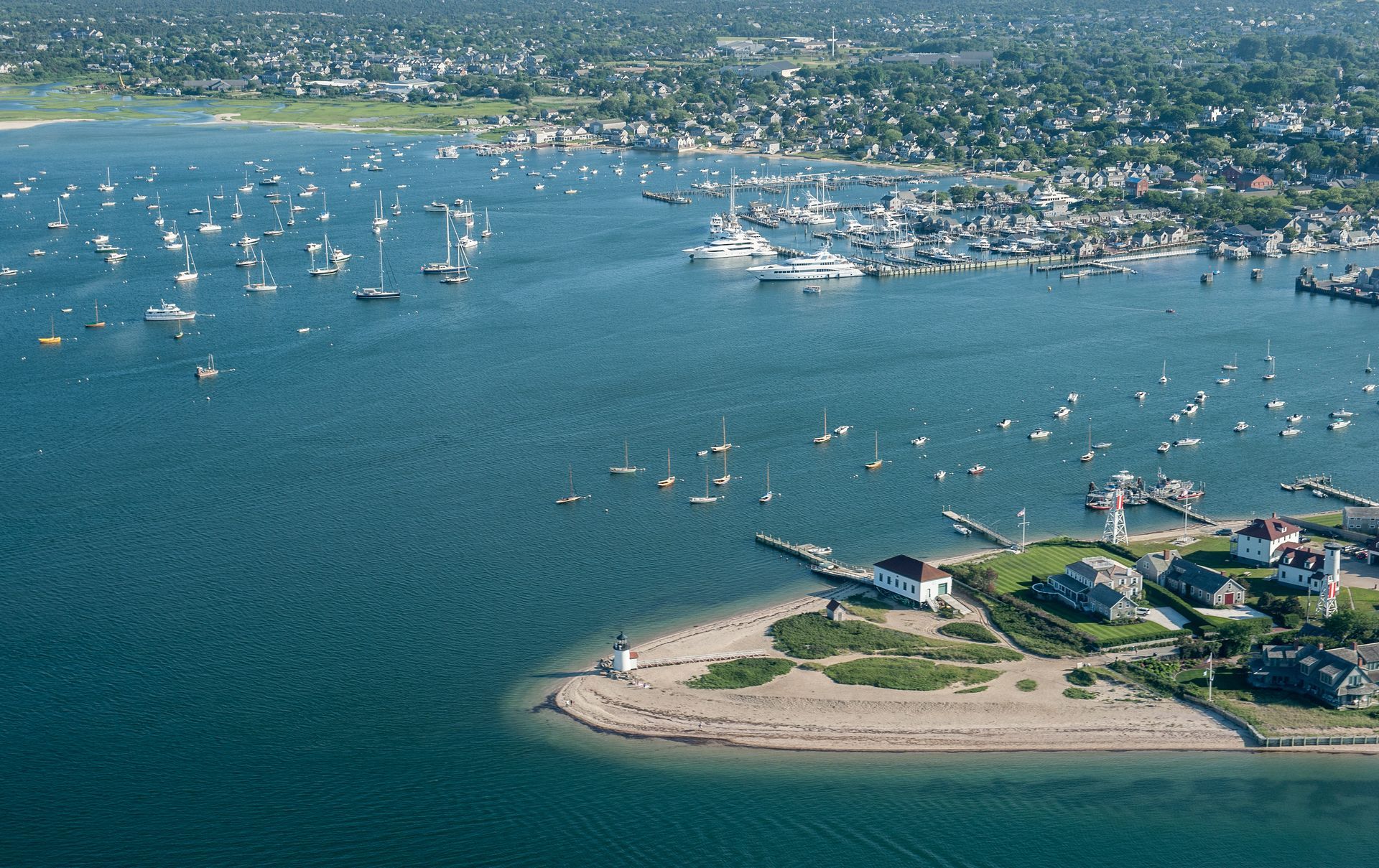
Cape Cod 5 CEO Matt Burke on the United States’ economic market and the direct effect on island.

interview by Bruce A. Percelay

photography by Charity Grace Mofsen

Could you explain your connection to Nantucket?


This is actually our first time staying overnight, but I come here often for the bank. This is a very special place for us in terms of the market, so even though I may not be here physically as much, the team is. I think, for us, physical locations are nice, but you need the people, and the team we have here is the best.


The bank was founded in 1855. How long has Cape Cod 5 been on Nantucket?


About 15 years ago Bill Hourihan was instrumental in establishing our presence. You’re not going to find too many more successful examples of this organic de novo expansion. We now have about a third of the market share.


The interest rate world has changed dramatically. What are you noticing on the island in terms of types of transactions that have been impacted by the sudden surge in interest rates on the homeownership side?


We’ve seen the fastest, most significant increase in interest rates that we’ve ever seen to combat inflation, but what that does is put a lot of pressure on consumers and on businesses. Cost of credit goes up and it puts a lot of pressure on banks. Credit is expensive on the lending front, and this is particularly impactful for the markets that we’re in— jumbo mortgages and second homes. So with jumbo [loans] and in second homes, Fannie [Mae] and Freddie [Mac] were taken out of the second home business—we either need to rely on our own portfolio or find other outlets, and there really aren’t many at this point. You can’t buy a house under the conforming limit, so there really aren’t any conforming mortgages out here.

The failure of First Republic Bank sent shock waves through many markets, not the least of which was here. And it shook people’s confidence in the banking business, particularly in the regional banks. What are your thoughts?


We live in a different world in terms of how fast our phones can move. We’ve learned more overnight; all those situations happened in an amount of hours. So, it’s all about preparing for that sort of thing. You obviously can’t plan for every scenario, but you can try to simulate some of these things.


A lot of it comes down to making sure you don’t put yourself in the position that those banks were in, which all goes back to risk management. As far as running a successful bank, it’s all about risk diversification and the concentrations that they have, asset liability management and industry risk— some of the more complex things that we deal with.


At one point, the thought was floated that if the government made every deposit insured, no matter what, you would never have a run on a bank. Is this a good idea?


We’ve seen a variation of that, and there was a lot of confusion. I think the media—and maybe everyone now—is interested in the next bank story and doesn’t have a background in banking. SVB [Silicon Valley Bank] failed, and this was a Friday. And FDIC said the next business day, Monday, you’ll have access to all your deposits, and they continued to run it. And people were still leaving even though their deposits for 100 percent were now insured.


Did the government fail to adequately communicate their role as a backstop?


Yes, and I think there’s an implicit guarantee and I think that was the sense, right? What is a systemic risk in the industry? That would have created something more systemic. I hear some of the stories of people that didn’t even know they were banking with SVB, but their payroll company did and employees weren’t getting paid. The messaging this time around was that not one penny of taxpayer dollars was going to be used to rescue banks. So all the banks collectively pitched in for a special assessment. It worked to an extent, but some of the reasons that I don’t necessarily agree with would be that, if all deposits were insured, that it would encourage risk taking. If I’m running a bank and I take risks, my depositors are protected, but if you have your investors and your employees, a bank failure would mean everything goes to zero.

Are there other SVBs and First Republics out there that have not surfaced?


One of the things of the business model of banking is that it predicates on the fact that everyone’s not going to want their deposits back at the same time. So you take deposits in, you lend them out and then it all comes back to liquidity management.


The reality of it is if you go up 500 basis points in interest rates overnight, your assets are going to be underwater. So it’s hard to generate liquidity. The Federal Home Loan Bank of Boston and the Federal Reserve are two very important [assets] for all banks to have as much availability of liquidity with that and pledging of assets. If you have something like that happen, you can generate cash, but this was not the case with SVB.


When does the other shoe drop?


We have a really high interest rate stress and then the liquidity phase, and then the next phase is the credit phase. So, a slowdown in credit, availability of credit and then, inevitably, rate increases upward. You model all this by saying we’re an asset-sensitive bank, meaning we benefit in rates up and our assets reprice up, but that assumes that the borrowers have the strength to actually pay higher service on that. Inevitably, and unfortunately, it’s going to put a lot of pressure on businesses and on banks.

This recession that has been projected is happening in slow motion. Do you think we will have one? And when do you think it’ll hit?


I’m glad I’m not an economist, because they’re always wrong. No one could have predicted anything that’s happened over the course of the past few years. So, it’s really hard. I get asked the question, what happened the last time that the economy was in the situation? What happens when you inject $7 trillion? Now we’re dealing with the consequences of that.


Time will tell if the outcome is actually worse long-term. We have front-row seats to affordability of everything, housing, inequality and all the issues that we’re already dealing with; it’s exacerbated all of them. If it continues to just be a slow bleed, then you don’t know what shoe is going to drop next. I don’t know how much higher interest rates can go before things start breaking to a larger extent than they are right now. All rates are expensive, so a further slowdown, I would assume, is inevitable.


Is there anything that you want to share about the bank that we should know?


Ultimately, what differentiates us is we’re a mission-driven mutual bank. So we don’t have any owners; we don’t have investors ... The value of being a mutual right now is that every penny of our earnings since 1855 is in our capital today. And we invest in our customers, communities, our employees and the mission, and then having people feel that this isn’t just a job. We’ve dealt with our fair share of challenges these past few years, but we are just fortunate that our bank is filled with really good people that all have shared values and dedication to the mission. Our mission is “simply enriching lives.” We try to do that in every way we can with our customers, our community members and our employees.

Latest Stories

By Jen Laskey August 1, 2026
Four Drinks for August Written by Jen Laskey August inspires us to squeeze every last drop out of summer. Whether you’re ticking experiences off your end-of-season bucket list or practicing the lost art of doing nothing, or a little of both, Nantucket’s drink experts have the perfect pours to help you make the most of summer’s last call—from a Cointreau-based spritz to a Portuguese white blend and a lush bourbon and beach plum cocktail. Let’s all linger in summertime a little longer. COINTREAU CITRUS SPRITZ ($19.99, 750 ML bottled cocktail at The Islander) COINTREAU L’UNIQUE ORANGE LIQUEUR ($48.99, 750 ML bottle at The Islander) Recommended by ZEINA METRI,co-owner, The Islander If August has you in the mood for ready-to-serve simplicity, Zeina Metri recommends the Cointreau Citrus Spritz. It’s made with French white wine and natural citrus flavors, and the star ingredient is Cointreau, anorange liqueur distilled in western France that’s often used in margaritas and cosmopolitans. “Cointreau is such a versatile liqueur,” noted Metri. “It’s crafted from a blend of sweet and bitter orange peels and gives cocktails a depth and balance that elevates every other ingredient around it.”The Cointreau Citrus Spritz comes in two flavors—Orange & Blood Orange and Lemon & Lime. It’s light enough to day-drink with friends on a warm afternoon or to sip while watching those last summer sunsets. With its low alcohol level (10.5% ABV) and resealable screw cap, it’s perfect for a month when all you want to do is chill. Just pour it over ice and voila! “The Cointreau Spritz is bright, refreshing and vibrant without being overly sweet,” said Metri. And if you’d rather make your own, simply pour a splash of Cointreau into something bubbly. LUÍS SEABRA, GRANITO CRU DÃO BRANCO, BLEND OF ENCRUZADO, BICAL AND CERCIAL, 2022 ($155/bottle at Galley Beach Restaurant) Recommended by IEVA ALDINS, Wine Director, Galley Beach Restaurant Every summer has that one unforgettable discovery, and this year it might just be Luís Seabra’s Granito Cru Dão Branco, a white blend of three native Portuguese grapes: encruzado, bical and cerceal. “This wine is sunshine in a glass,” said Ieva Aldins, wine director of Galley Beach Restaurant. “It [has] mouth-watering acidity, voluptuous elegance, minerality and salinity that make it a perfect summer sipper.” Seabra is one of Portugal’s top winemakers. “He used to make wines for Niepoort Winery but now focuses on his own old-vine and terroir-driven wines,” said Aldins. “His Cru series focuses on sourcing vineyard sites with high mineral content—as the name [Granito] suggests.” Aldins recommends sipping the Granito Cru by the beach and pairing it with shellfish and seafood. “I particularly love it with our crab cake or lobster spring roll, as it has both the body to hold up to these dishes and the acidity to hold up to their richness,” she said. BEACH PLUM RUSH($16 at The Fairgrounds) Recommended by CONRAD MEURICE Bar Manager, The Fairgrounds The blushy golden-orange color and tart, floral notes from beachplum honey give this cocktail an unmistakably late-summer vibe. The Beach Plum Rush is one of the most popular signature drinks at the new Fairgrounds restaurant, said bar manager Conrad Meurice. “It brings together a traditional Kentucky straight bourbon with some local flavor flair of beach plum,” he said. “We balance out the cocktail with some fresh lemon juice and add Angostura bitters for a crisp citrusy finish with a hint of spice.”A riff on the Gold Rush, a type of whiskey sour made with honey rather than simple syrup, Meurice’s Beach Plum Rush gets an additional pop of flavor from honey that he infuses with beach plum. You can buy beach plum honey at local specialty food shops, but Meurice says you can also quickly mix up your own by stirring a little beach plum jam into some local honey. Best sipped at The Fairgrounds’ new flower bar, the Beach Plum Rush is a great pairing partner for the restaurant’s beet salad with salmon or shrimp, or the tuna poke bowl. Makes 1 serving - Glassware: Rocks glass Ingredients: - 2 ounces Kentucky straight bourbon• ¾ ounce lemon juice • ¾ ounce beach plum honey• Dash of Angostura bitters Instructions:
By brianbushard July 31, 2026
Written by Brian Bushard Photography by Kit Noble A taste of New York has arrived on Nantucket. By 10 a.m. on a Saturday, the bagels at Slow to Rise Bakery’s stand at the farmer’s market have all but sold out. Down the street, Bagel Bar (opened in June by the owners of sushi restaurant Bar Yoshi, no less), is peddling freshly baked bagels. Meanwhile, Nantucket coffee conglomerate Roastd is baking bagels at its Airport Gas shop for its four island locations. And on Old South Road, the Meat & Fish Market is baking bagels every single morning. “It seems there has been a bagel explosion,” Bagel Bar owner Marc Knight said over a brunch of bagel sandwiches and Italian paninis. “This whole idea started a year ago and [Bagel Bar] opened briefly last year. But when we hatched the idea, there wasn’t as much of a bagel scene.” But over the past few years, Nantucket’s breakfast scene has started to look a lot more like something out of Brooklyn. At the Meat & Fish Market, owner Sean Ready has been baking bagels in house and serving heaping bagel sandwiches since he opened the shop nine years ago. The Meat & Fish Market even introduced a Cisco bagel, made with the brewery’s Whale’s Tale Pale Ale. Meanwhile, the duo of Tucker Puljic and Katrina Newfrock have been running Slow to Rise on Nantucket since 2022, with classics like plain, poppy seed and cinnamon sugar, to a Middle Eastern za’atar spice bagel, an English muffin bagel and an Italian-style cacio e pepe bagel with Parmigiano-Reggiano and black peppercorns. This isn’t the first time Nantucket has seen everything bagels everywhere. In the mid-1990s, Nantucket got its first taste of New York bagels, when Big Apple transplant Brad Moore opened Bagel Basin behind the former restaurant 21 Federal. Not one month later, there was a second bagel shop, The Nantucket Bagel Company, which was later purchased by Something Natural. The Gaslight even baked its own bagels for a time for Sunday brunches, serving smoked salmon or bluefish on bagels and tuna tataki or Italian cold-cuts in bagel sandwiches—with mimosas and Bloody Marys. Where Nantucket’s burgeoning bagel scene goes from here is to be seen. But if one thing is true, this is no half-baked idea. “The popularity of bagels has exploded in the last 10 years,” said Chris Dadey, a food and beverage consultant for Roastd. “It’s a little bit of New York culture moving north."
By brianbushard July 31, 2026
A Taste Of Jamaica At the Chicken Box Written by Brian Bushard Photography by Kit Noble Recipe By Peticea Murray The Chicken Box as a venue is known for its music and bar scene, but during the day thereis a completely different vibe. In June, Peticea Murray started bringing her food truck, 876 Island Cuisine, to the Box. By the time the lunch crowd arrives, the truck, which takes its name from Jamaica’s area code, is slammed with customers.“A lot of the island workforce is built by Jamaicans,” said Murray, who grew up cooking with her grandmother in Montego Bay. “I have a passion for it, but I myself did not have anywhere to buy this authentic Jamaican food [on Nantucket]. I thought I have to have a Jamaican restaurant so my people can have somewhere to have authentic Jamaican food, and not only that, to bring Jamaican culture through food to the Nantucket native people.”Murray’s truck offers staples like jerk chicken, as well as escovitch fish, rice and peas (red kidney beans are typically used, but the name comes from the local red peas in Jamaica), and coconut water straight out of the coconut. “[My grandmother] taught me all the old recipes, all the good stuff,” she said. “That’s why I cook the way I cook, because it’s coming from generations of authentic flavors.” JAMAICAN RICE AND PEAS, yields 8-10 servings Ingredients: -2 cups long-grain rice, washed -2 cups cooked red kidney beans (or 1 can, drained and rinsed) -1 can (13.5 ounces) coconut milk -2 cups water(reserved from cooking beans) -3 cloves garlic, minced -4 sprigs fresh thyme -2 scallions, chopped -1 small onion, chopped -1 whole Scotch bonnet pepper(do not cut it open) -1 teaspoon salt (or to taste) -½ teaspoon black pepper -1 tablespoon butter Instructions: In a large pot, combine the kidney beans, coconut milk, bean liquid (or water),onion, garlic, thyme, scallions, salt, black pepper and butter. Add the whole Scotch bonnet pepper and bring everything to a gentle boil. Let it simmer for about 10 minutes so the flavors develop. Cover the pot with a tight-fitting lid, reduce the heat to low and cook for 20-25 minutes, or until the rice is tender and all the liquid has been absorbed. Remove the Scotch bonnet pepper and thyme stems. Fluff the rice and gently with a fork before serving. CHEF’S TIP: The key to authentic Jamaican rice and peas is allowing the coconut milk, thyme, scallions, garlic and the Scotch bonnet pepper to simmer together before adding the rice. This creates the rich, flavorful base that makes the dish stand out. Keeping the Scotch bonnet whole adds its signature aroma without making the rice overly spicy. This recipe pairs perfectly with jerk chicken, curry goat, brown stew chicken, oxtail or escovitch fish.
By brianbushard July 31, 2026
Written by Brian Bushard Photography by Kit Noble How could a traditional mooring possibly be bad for the environment? The fact is that the moorings that have been deployed for decades have had a deleterious effect on eelgrass in a way that has consequential impacts on Nantucket’s fragile bay scallop population. The problem with traditional moorings, according to Nantucket Land and Water Council ecologist and waterkeeper RJ Turcotte, is that after months of shifting winds, the boats they secure will pull in all directions, forcing a traditional chain to swipe at the eelgrass below—a process called scouring. The bigger the boat, the worse the damage. An aerial view shows the problem as clear as day: sandy rings around the moorings where eelgrass had been. “We’re obviously seeing a decline [in eelgrass],” Turcotte said. “It gets worse as you go up the harbor. We’re at a point where every year, the eelgrass is getting thermally stressed and we’re having nutrient inputs causing algal growth that’s competing with the eelgrass. Anything we can do to help them along, we want to do. To that end, the Land and Water Council is introducing new 200-pound pyramid-shaped moorings designed to keep the eelgrass in place. Above the surface, it’s a standard mooring. But unlike the traditional moorings, which are affixed to the seafloor with a mushroom-shaped base and a heavy chain, the new moorings use a system that looks more like a bungee that can contract and relax as the boat it’s securing sways around in the direction of the prevailing wind. Eelgrass provides a habitat for several species, including bay scallops. It also helps to hold sediment in place, mitigating coastal erosion, and improves water quality by absorbing pollutants. But eelgrass cover in the harbor has fallen precipitously over the past few decades, reaching 14% in 2024, according to Nantucket Shellfish and Aquatic Resources Manager Tara Riley. Preserving Nantucket’s eelgrass—and by effect, its scallop industry—is therefore a priority for fishermen and ecologists. It’s been the subject of numerous initiatives around the harbor, including efforts to reduce nitrogen loading from fertilizer use, which causes algal growth that blocks sunlight from reaching eelgrass on the harbor floor. Town Meeting has also voted to expand the town sewer to neighborhoods along the harbor, hoping to reduce runoff into the harbor. And nearly 10 years ago, the Land and Water Council undertook another project to transplant eelgrass to an area off Monomoy, which Turcotte likens to underwater gardening. The Land and Water Council’s pilot project for the new moorings is funded by the Great Harbor Yacht Club Foundation. “There are obviously things that are out of our control, like the rising water temperature,” Turcotte said. “There’s not much we can do about that. But anything we can do, including things like this, to make gains and help [the eelgrass] out when it is struggling, we want to do.” This year, the Land & Water Council is starting with 12 of the new eelgrass-friendly moorings as part of the pilot project. If the project is successful, Turcotte’s goal is to replace every mooring with the new eelgrass-friendly model. At the end of the day, it’s a simple fix. “Scour is physical damage,” he said. “It has a direct link and we can figure it out."
Nantucket's newest youth theater group, the Nantucket Stage Company
By JohnCarl McGrady July 31, 2026
Nantucket's newest youth theater group, the Nantucket Stage Company
By brianbushard July 31, 2026
Managed and staffed by world renowned St. Regis brand, this boutique residential building is located directly on the water in the heart of Boston's Seaport neighborhood where culture, dining and entertainment are just steps from your front door. Enjoy a curated lifestyle with 24-hour concierge, valet parking, doorman and a dedicated butler service, as well as the perks and privileges at St. Regis and Marriott properties around the world. Residences include Italian flooring in all living areas and the kitchen, BAMO custom designed cabinets, manufactured in Italy exclusively for the St. Regis Residences,Boston; natural stone backsplash and counter, and Sub-Zero and Wolf appliances. The bathrooms are inspired by a world-class spa, including heated floors. Residents enjoy an entire 12,000 square-foot floor of amenities including an infinity edge resort indoor/outdoor pool and terrace with a nano folding door to a harbor view patio, sauna, jacuzzi, steam room, spa, library, conference room, fitness center, sports simulator, residential lounge/bar, private wine vaults as well as two resident hotel guest suites. Valet, doorman, butler, 24/7 concierge and in-room dining provided by newly opened SAVR Restaurant
MORE STORIES