Fortune Teller


July 31, 2024

Bob Reynolds' view of the markets.

Interview by Bruce A. Percelay
Photography by Kit Noble
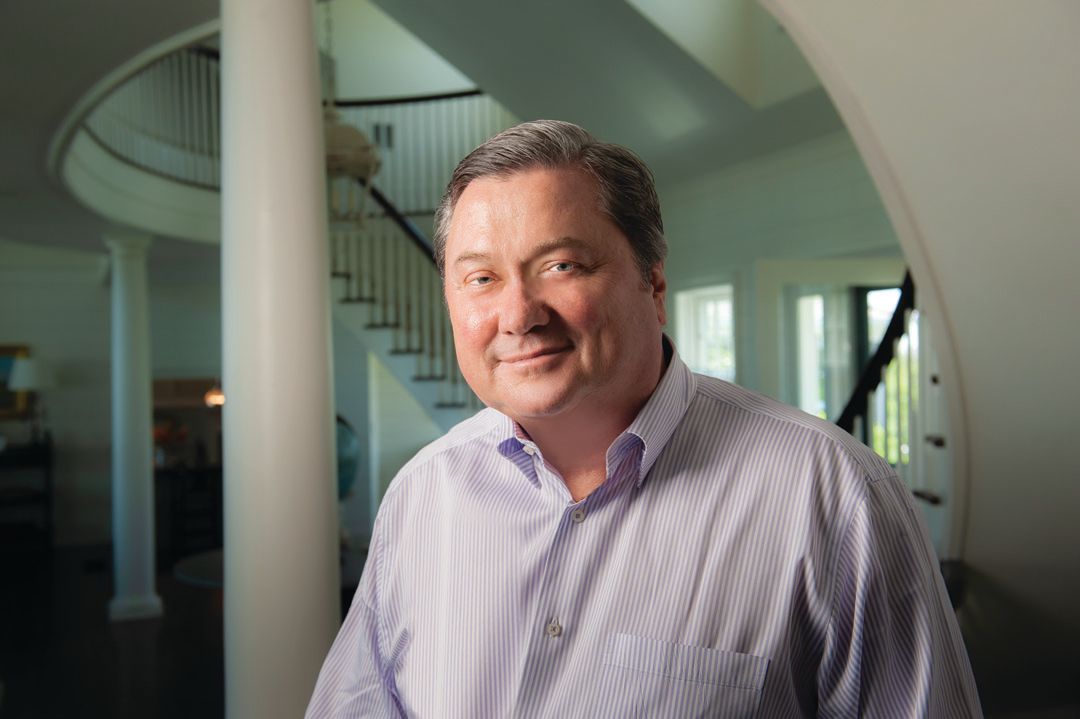

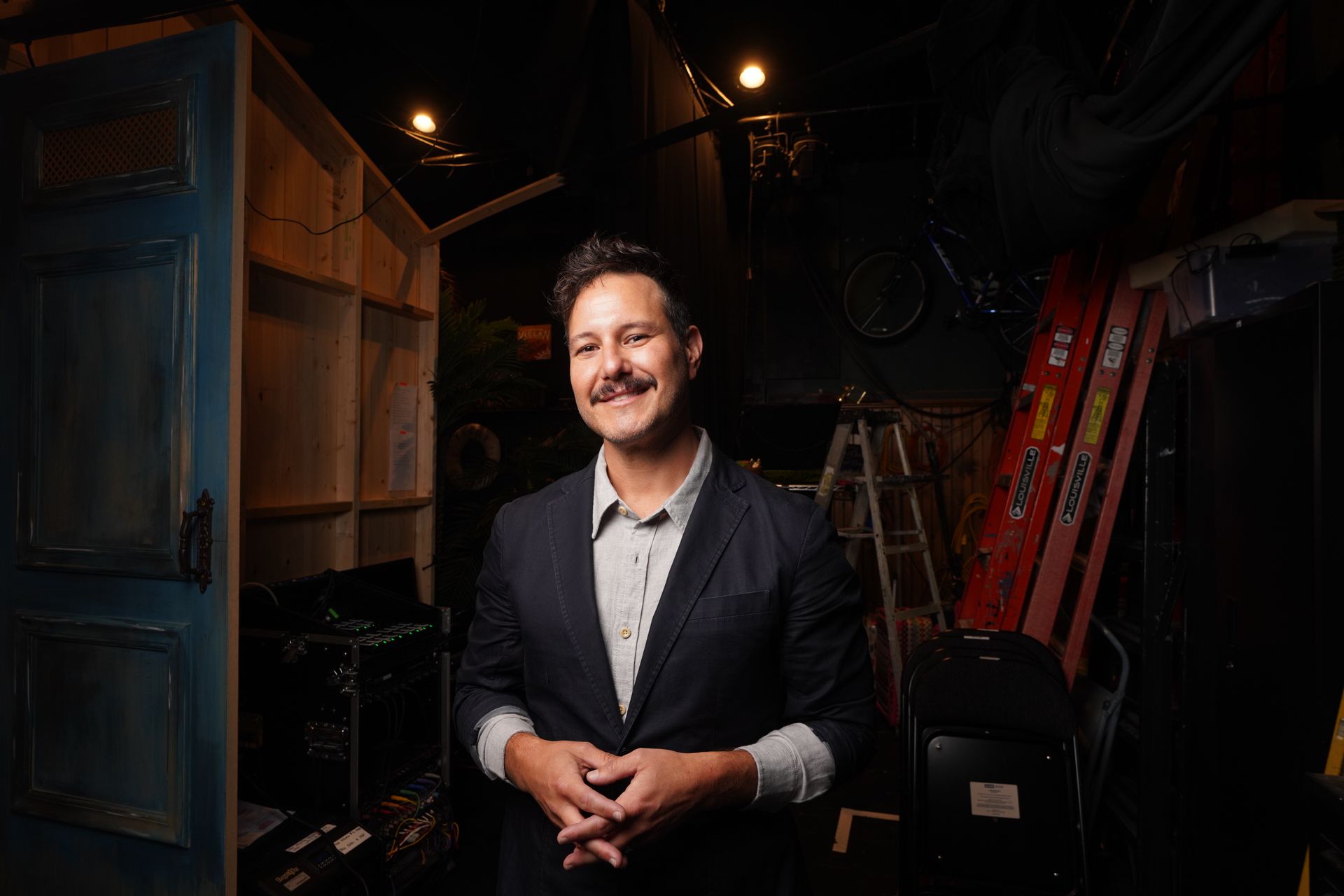
Bob Reynolds has had an impressive career in the securities world, having been chief operating officer of Fidelity Investments and president and CEO of Putnam Investments and is currently serving as chairman and CEO of Great-West Lifeco U.S. Reynolds has steered some of the largest financial service companies in the United States through both economic booms and challenging financial periods and has a perspective on the equity world that few can rival. Reynolds sat down with N Magazine to discuss the state of the market at a time when securities valuations have reached new heights and during a period of particular uncertainty in our domestic political environment. Reynolds shared his insight with us regarding his outlook for the markets.


Pre-COVID, the stock market was at 29,000 and we’re now hovering around 40,000. Would you have ever anticipated the market would have done what it’s done over a relatively short period?
Yes, because so much money was pumped into the system. Consumers had a lot of money to spend and they spent it. Stock prices have always followed earnings and earnings have been pretty good.


Given the fact that the government stimulus has stopped, would the corollary be true that the market has peaked for the moment?
A lot is going to depend upon what’s going to happen in the election. I think if the current party stays in power, there’ll be downward pressure on the market, because you will know inflation is not going away. I don’t see anything near term that would cause you to lower interest rates. So that would hurt. However, if there was a change in administration, I think that’d be positive for the market, because a new administration will bring something different than what we’ve had.

It has to do with taxes and the Trump tax plan and different things like that; it could be very positive for the market. The first 100 days of this year was the second highest rise in the market in an election year ever. That shows you that there was a lot of cash around, and people were still spending money. Now, you do see a lot of things that are cause for concern with credit and commercial real estate. Personal credit and credit card use are going up and it’s going to put pressure on the consumer.


The wealth effect created by the stock market benefits places like Nantucket disproportionately. Would you imagine that the wealth and presumably the bonuses associated with it from investment firms would have a meaningful impact on the housing market and other aspects of the economy on Nantucket this summer?
No, because I think the current interest rate of mortgages is above 7 percent. And that’s detrimental to the housing market. And inflation will impact rentals and other spending this summer.


Do you feel then that housing prices are going to be under pressure until rates back off, if indeed they do?
It’s been on a very upward trajectory but I don’t think you can keep it there. I don
’t think there’s gonna be a dramatic fall off on prices near term, but I do think if you talk to anyone in real estate, there is some softening in the market. There’s not the volume that there was certainly two years ago, and the higher interest rates are starting to have an effect on people and what they do with their money.


A lot of high-profile prognosticators like Ray Dalio, for example, and even Jamie Dimon, were predicting a recession, or in some cases, worse. It hasn’t happened. Do you think that we have escaped a serious retrenchment in the economy or is it something that is still a possibility?
It’s still to be played out. Again, people are starting to use their credit cards more and y
ou don’t have the same amount of cash around. I think higher interest rates and inflation have made people take a wait-and-see attitude. So I think what Jamie and Ray Dalio have said is still in the cards due to the earnings of companies and the cash that people had carried us to where we are today, but I think people are holding back right now.


Do you see AI as having a profound effect on productivity and in the end, the ability of companies to reduce labor costs, and in a way that could have a material effect on the economy? Over the next 10 years?
It will definitely have a positive effect on productivity,
but it could create a lot more new jobs in different fields that we’re not thinking about today. Industries that benefit from AI are probably going to be the next big play, for instance, power companies, because you use so much more energy. There will be a whole new economy built around AI.


The stock market has its ups and downs, but usually the trends over the last decades have been excitingly positive long-term. Are you bullish on equities, given where the stock market is today?
As long as the companies can generate earnings, stock prices will follow. So I think there are companies that are well suited for the new economy, and they will do well and other companies that are not going to do well, but I think there’ll be positive areas to invest money in, that’s for sure.


What is your biggest concern?
I think the election is going to have a bigger impact than people think right now. Some people feel pretty good, but as we get closer and it becomes more clear which party can emerge victorious, I think it’s going to have a pretty dramatic impact on the market. And right now, inflation is still the boogeyman out there. And I don’t see any signs of it abating. All you have to do is go to the grocery store, go fill your car up for gas, and it’s expensive. It’s an expensive world we live in right now. And I just think, at some point, you got to pay the piper.
Latest Stories
By brianbushard August 6, 2026
Written by Brian Bushard Photography by Kit Noble For the past 10 years, Katherine Jetter has been selling her jewelry at her shop on Centre Street, The Vault. But unlike most jewelry stores, she is not only selling her own jewelry, but the earrings, bracelets and rings of 30 other couture jewelers. This month, she is showcasing those jewelers at a residency at Ten Easy Street, which runs through August 15. “The purpose is to celebrate our community and create a place to bring all of our clients into a social environment where they can get to know each other and experience all the things I love and curate on a deeper level in a social environment,” Jetter said. “I love bringing people together and curating, so I have curated some incredible experiences.”  How did you get into the world of jewelry making? I didn’t come from a multi-generational jewelry house where I had the privilege of growing up with a safe full of gems and access to everything. I’m completely self-made, and the only way that I could shine in a very saturated industry was to really teach myself to be an expert on specific subjects, so that I could really come from a place of knowledge. What did that process look like for you? I studied and studied books on the history of jewelry making. I went to every possible trade show I could find. I’ve been going to the Tucson Gem Show since I was 24 years old and I ask 10,000 questions. The thing that really made me learn was that I was never afraid to say what I didn’t know—why is this amethyst a $10 per-carat stone, and why is this amethyst a $200 per-carat stone? I found allies and friends in the industry that would help teach me and educate me. As a young 20-year-old, I found people who loved their craft who were excited to teach a young person what they knew. I would do everything from finding the rock to going to the mines. That is what I think really is different about me. I made it my business to be an expert and to study what I’m selling, so that I’m not just a designer who’s taking pretty objects and putting them together. I’m being very thoughtful about everything from the ground up—where it starts, how it’s made, the engineering of the piece and the execution. When you’re selling a product, if you don’t understand from the ground up the integrity of the piece, it’s a very different sales process than if you’re coming at it from a place of workmanship. Even though I specialize in certain avenues, I also recognize that there’s something for everybody, and if it’s not something that I’m making, I still want to find you. I love doing that; it really is what excites me. I’ve never had an ego around it being my way or the highway. If I don’t make what you’re looking for, I will find the expert that does.
By N Magazine August 4, 2026
FOGGY SHEET
By N Magazine August 4, 2026
FOGGY SHEET
By N Magazine August 4, 2026
FOGGY SHEET
By Paige Martino August 4, 2026
Interview by Paige Martino Photography courtesy of the Nantucket Historical Association Long before Greater Light became one of Nantucket’s most beloved historic houses, it was an aging 18th-century cow barn tucked away on what was then Bull Lane. Where others might have seen a weathered farm building, Quaker sisters Hanna and Gertrude Monaghan envisioned something extraordinary, transforming the humble barn into an exuberant home and art studio layered with salvaged architectural treasures, handcrafted furnishings and original paintings. They called it Greater Light . A hundred years later, Beverly Hall keeps HannaMonaghan’s spirit alive, putting on period clothes and performing as Hanna at Greater Light. “My feeling when I walked inside [Greater Light] for the first time was almost visceral,” Hall said. “One day during the process, I just got so immersed I said, ‘That house just needs someone to bring it alive.’ I just said it. I blurted it out. ‘Someone needs to be Hanna.’ The whole group turned around and said, ‘Beverly, why not you?’” Becoming Hanna meant immersing herself in Hanna’s memoir, filling pages with underlined passages, colorful notes and thoughtful observations tucked into the margins. She interviewed people who had known Hanna and spent countless hours researching both the Monaghan sisters and Greater Light itself. Along the way, she began recognizing unexpected parallels between their lives, particularly in their shared devotion to faith and the arts. “The attraction was immediate,” Hall said. “[Hanna] really sparked something within me, so I took it and ran with it.”
By brianbushard August 3, 2026
Written by Brian Bushard Photography by Kit Noble While they may not be household names in the true Hollywood sense, Nantucket’s summer population includes powerful producers, screenwriters and editors who are behind the scenes on the movies we all recognize. Indeed, Nantucket has an underground entertainment community that is in effect a hidden Hollywood.“I got involved in the Nantucket Film Festival before we bought a house on the island,” said Marc Resteghini, a producer with Amazon MGM Studios who executive produced the series Young Sherlock. “As I started to learn a little bit more about the festival itself, I started to realize there were a lot of people who either lived on the island or vacationed here from the entertainment industry.” Resteghini was named the new chair of the film festival this June. While Nantucket has a reputation for attracting politicians and Wall Street titans, lesser known is the fact that dozens of leaders in the entertainment industry have also found Nantucket as their summer refuge, just not the names you might know. “It’s like Sergeant Pepper Lonely Heart Club Band,” actor John Shea said. “We see each other but the last thing we want to do is talk about the film business. It’s more of a quiet acknowledgement of a fellow traveler thana fellowship.” “The Vineyard is where all the actors and the writers go, the creatives,” documentary film producer Annabelle Dunne added. Dunne summers on Nantucket. “I think a lot of people that work in Hollywood come here to be with their families, relax and enjoy Nantucket, not to network. But it is a small island, and sometimes when you take away the work component and you say we’re just getting together to get together, then things can happen.” 
MORE STORIES