David Rubenstein Inside Baseball on the Economy


July 31, 2026

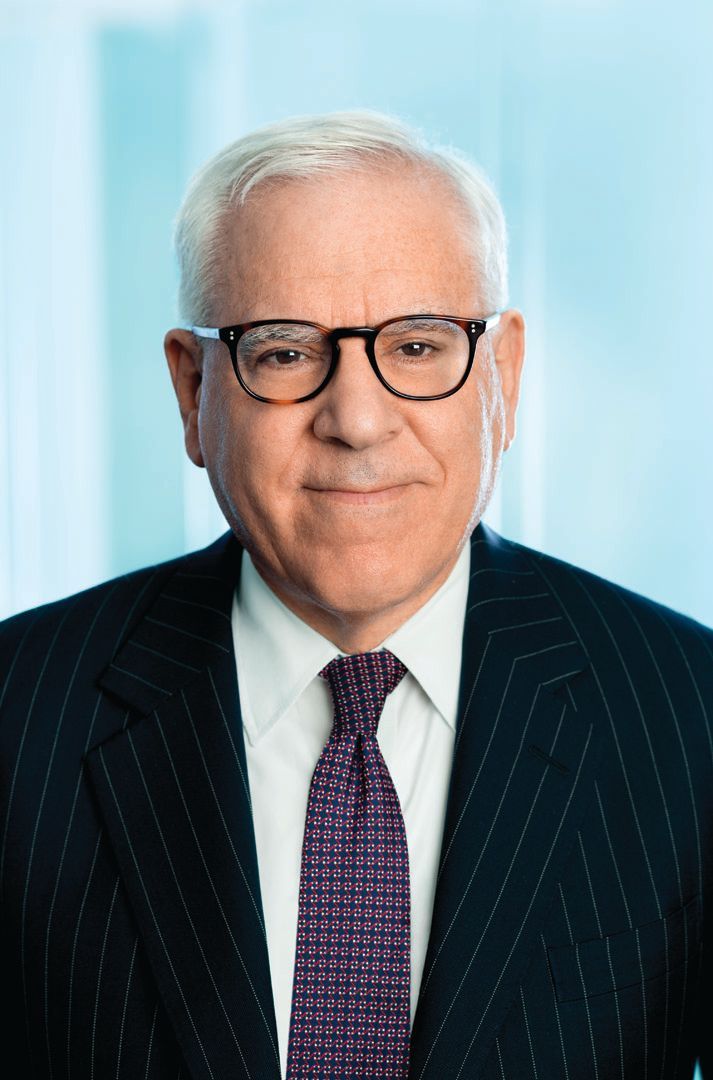
The Carlyle Group Co-Founder and Nantucket Summer Resident David Rubenstein.

Interview by Bruce A. Percelay

Photography courtesy of David Rubenstein


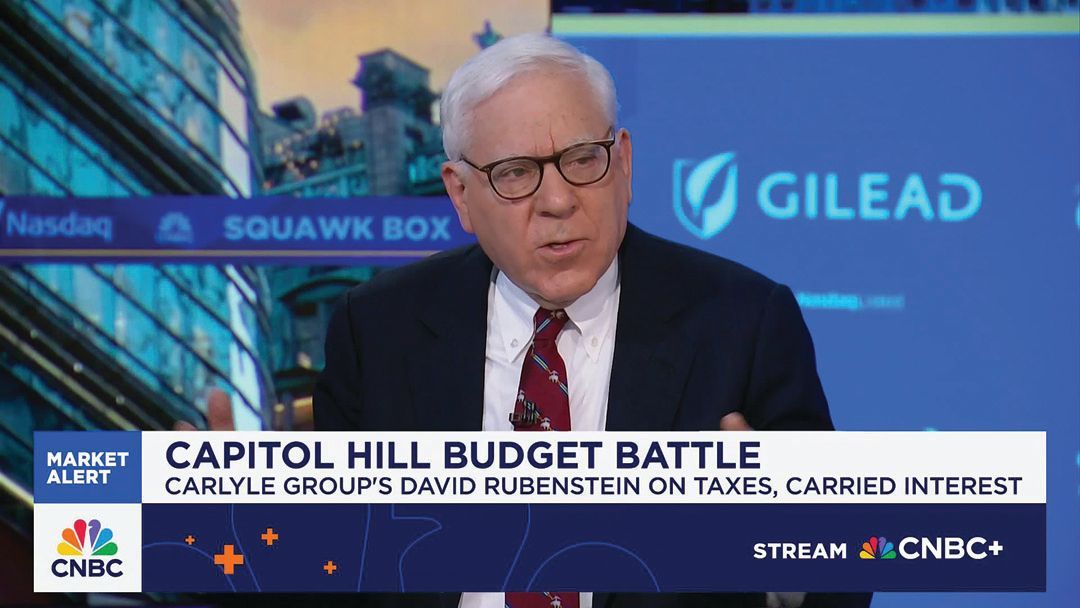
David Rubenstein is best known as both the co-founder of the Carlyle Group and as one of the country’s most prolific philanthropists. From major donations to his alma mater Duke University to Johns Hopkins to the Kennedy Center, the University of Chicago and beyond, Rubenstein has also left his mark in Washington D.C. with his donation to help repair the Washington Monument. Rubenstein’s highly regarded Bloomberg television show Peer to Peer Conversations puts him at the forefront of economic and political dialogue in America. He recently purchased the Baltimore Orioles and has been a long-time summer resident of Nantucket


N Magazine: What is the appeal of Nantucket to you?


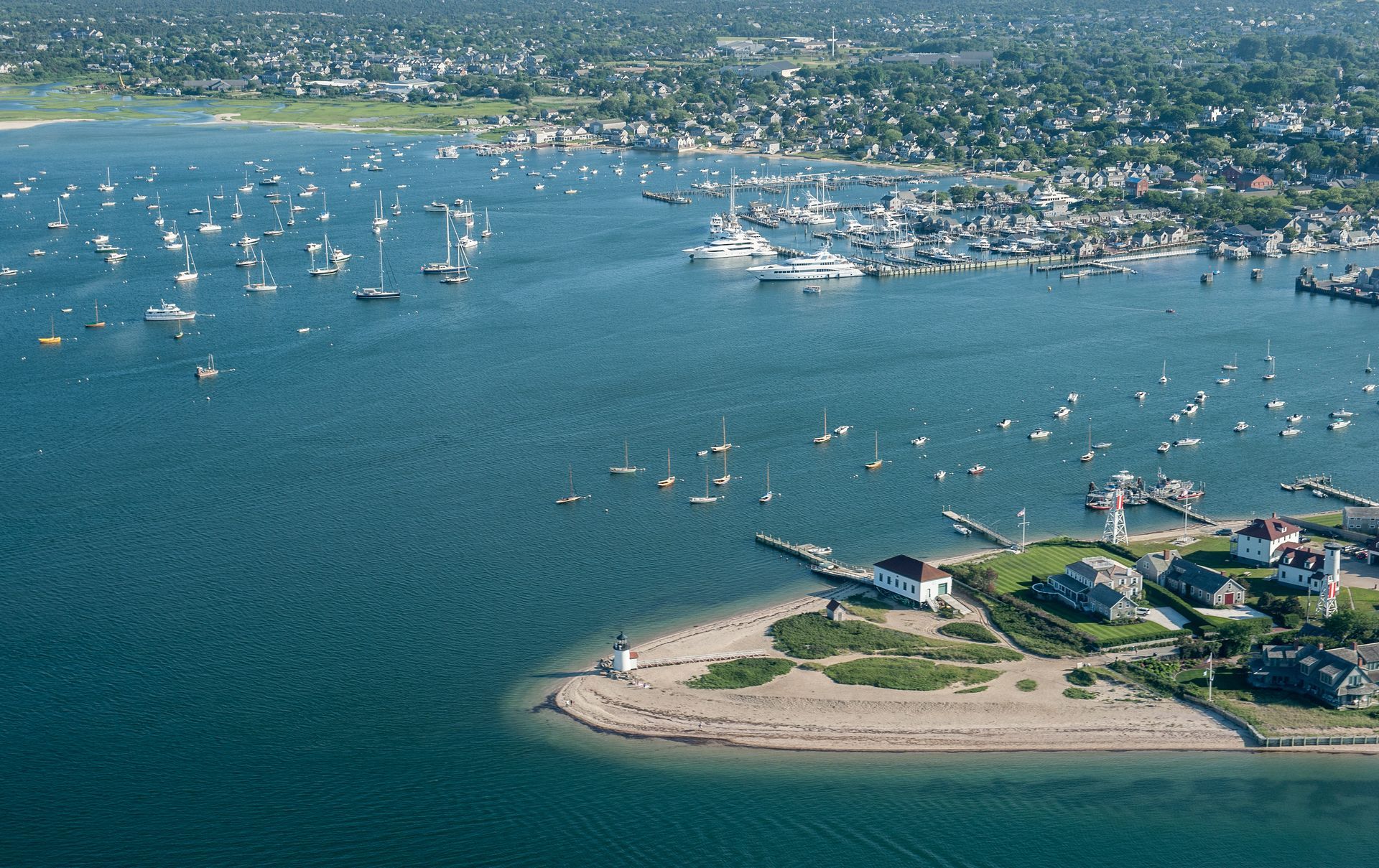
Rubenstein: I built a house [on Nantucket] more than a quarter century ago, and for the last quarter century, I’ve spent parts of every summer there. As our children have grown, it’s more complicated to round up older children as they’re adults and get them to all come together for family events, but we still do that as frequently as possible. Nantucket has certain things that I admire—a certain joy in the place, a pride in the culture, a community feeling of coming together and sharing the values of protecting the environment, protecting the beaches, fishing and agriculture that Nantucket does reasonably well. They make it a very happy place.


Remember, what is life all about? Thomas Jefferson said, to some extent, that life is about the pursuit of happiness, and when you are on Nantucket, people are happy. I think the principal problem that Nantucket has is that we don’t want everybody to know how happy they’re going to be if they come to Nantucket, because then we have too many people on Nantucket. So we try to tell people it’s not as good as you think and maybe to go somewhere else. But the truth is the pursuit of happiness is maybe best done on Nantucket, and I think Thomas Jefferson, had he been in Nantucket, probably would have wanted to be buried there.

N Magazine: The wealth gap in this country has never been wider. How concerned are you about wealth distribution and its social impact? 


Rubenstein: The wealth gap has existed in this country from 1776 on, and in fact it was much worse in 1776 than it is today. The wealth gap in this country today is increasing as measured by certain statistics, but that’s less important than the social mobility factor. When people believe that when they’re at the bottom of the economic social construct that they can’t rise to the top, that’s dangerous, because people who believe in the American dream have historically thought if they worked hard they could rise to the top. 


So now I think increasingly a larger part of our country is not believing they can rise to the top, and ironically, the people that believe in the American dream more than anybody else are immigrants to this country. We have 55 million immigrants to this country. No other country in the world has more than 17 million immigrants. We have that many immigrants because people believe in the American dream. Some were disappointed, but most people are reasonably happy, and very few have left. I am worried about the wealth gap, but I worry about the social mobility gap as well, and I also recognize that capitalism is not a perfect system. Nobody’s ever suggested it was. I do think we could do more to close the wealth gap and the social mobility gap, but I don’t think it’s going to happen overnight. 


N Magazine: Then what is the biggest issue we have to worry about? 


Rubenstein: In the United States, I think the biggest issue in my mind is the growing lack of bipartisanship and the lack of willingness to compromise on major issues. I have hosted a dinner for members of Congress for the last 11 years. Members of Congress like it because they can sit there in a bipartisan way— no press there to bother them—and nobody can see that a Democrat is talking to a Republican. In the public sphere we now live in, you find that Democrats and Republicans are often afraid to socialize or work together to produce compromise, and that’s driven in large part because of money. Money is the mother’s milk of politics, as is often said. It’s true. 

Since there are limits on how much money [can be] raised for a campaign, the result is that generally the person who has the most money wins, and if you raise a lot of money and you lose, you get to keep [the] money for political purposes for the rest of your life. So, people have an incentive to raise a lot of money. You do not raise money by saying, “You know what, I want to go to Washington and be right down the middle. I want to compromise. I want to make sure that both sides are treated fairly and equally.” Nobody says that in the campaign, because that won’t produce any money. You raise money by being on the far left or the far right. To me, that’s the biggest problem we have, the lack of bipartisanship and the feeling that you have to get 100% of what you want. The result is the country is split down the middle in many ways. It’s not as bad as it was in the Civil War—that was when we fought a war between our two sides— but it’s not good. 


N Magazine: Speaking of war, what do you think the lingering impact will be of the incursion in Iran?


Rubenstein: I don’t think it’s going to be a positive for our relationships with our European allies, nor do I think it will be a positive for our relationships with the Gulf Cooperation Council countries. I think in the end, there was going to be a concern that America is maybe unpredictable when it goes to war and is not a reliable ally. As a result of that, I suspect there will be some lingering concerns for some time. Obviously, nobody can predict the future perfectly, and I could be wrong, but I do think that for a while, America’s allies will be less willing to rely on us, and we may get less support from them than we would prefer. I think the countries that are in the middle—the neutral countries in the Middle East—are going to be more wary of relying on the United States for defense or other kinds of support.


N Magazine: The Obama Presidential Center down the street from the Rubenstein Forum in Chicago is a difficult building to explain visually. What are your thoughts on it?


Rubenstein: What [former] President Obama is trying to do is unique in two respects. First, it’s the first library built with no papers at all—everything is digitized these days, so there are no presidential papers there. Unlike every other presidential library, you don’t have to go to the presidential library to actually do research, you can do it online, or you can just go to the National Archives. Second, what Obama is trying to do is to make it a place for not just presidential scholarship but a place for a neighborhood and for a community to engage. In other words, he has a basketball court, he’s got slides, he’s got a library for children from the public schools in Chicago. He’s got things there that are designed to bring the community together and make it a welcoming place for the community, in addition to talking about what he did as president of the United States. It’s a different format; it’s a different concept. We’ll find out whether it works or not.

N Magazine: What do you make of the aesthetics of the Obama library? 


Rubenstein: The architect [Tod Williams Billie Tsien Architects] is a famous architect, and it’s an architect that has done some things for me as well, so I may be biased. I realize that architectural critics have not fallen in love with it, but I would remind people that when the Eiffel Tower was built, people thought it was the worst monstrosity ever constructed. Many of the greatest buildings ever built are not beloved at the time they are initially started, and the reason is that it takes a long time for people to see that something unusual is really quite creative. Yes, there have been architectural critics, and The New York Times and others have criticized the design of the library, but I think it’s difficult to make a lasting commentary on a new building within a week or two weeks. It takes time. The Eiffel Tower, the Washington Monument, the Lincoln Memorial and the Jefferson Memorial were all heavily criticized when they were opened—all of them. Moving to artificial intelligence, there are those who feel AI is a threat to their future and the value of their education, while others believe it will create enormous economic opportunities. 


N Magazine: What is your broad feeling about AI’s impact on the American worker? 


Rubenstein: First, I wish I had been prescient enough to invest in those companies early on, but I was not. Second, at any time new technology comes along, people are always alarmed that they’re going to hurt society and create unemployment. When the industrial revolution started in the mid-1700s in England, people were very worried that all of the new manufacturing techniques were going to produce unemployment, but as we’ve learned through the industrial revolution and [more recent] technologies—radio, television, the internet—when new technologies come along, humans adapt. Today, I think it’s unclear to say how many new jobs will be created by AI, or whether college students, when they get out of college, will have a job that’s as good as [those available] five or 10 years ago. It’s too early, because we’re still in the beginning of the AI revolution. However, it’s my view that if you go back to the last 1,000 or 2,000 years of history, when new technologies have come along, it’s generally enhanced humankind and generally made human life better.


N Magazine: How transformative is AI? Is it on the scale of the industrial revolution? 


Rubenstein: The industrial revolution started in England, and then it spread to the United States and other parts of the world, but it took 100 years-plus to spread. When the internet came along, it took maybe 15 to 20 years to spread. Now that AI has come along, it takes about a year or so. I think it’s going to have a very significant impact in a shorter period of time than the industrial revolution did, or that television or radio did. Because we adapt to things much more quickly and because we’re in global communication mode, people in Africa, Latin America and Asia are going to be able to have the advantage of AI to some extent. It’s going to have a good impact in the end. 


N Magazine: For investors, what is the next big thing? 


Rubenstein: I think there are three things. Number one, quantum computing. Quantum computing has always been said to be down the road of 10 to 15 years, but we now have a lot of quantum companies, and even the current Trump administration is investing in quantum because they see it’s going to have a significant impact. The second is fusion. We’ve always been saying fusion is 10 to 20 years down the road, but now in Massachusetts and other places, fusion facilities are being built, and I have invested in some of these companies. Fusion will be a major thing. Third is the residue of CRISPR and things relating to biotech. 


N Magazine: What is the biggest challenge to the economy right now? 


Rubenstein: I think we have a big amount of debt, we have an aging population, we have a divide in the country in terms of political points of view. I also worry about environmental degradation, and I think we haven’t really dealt adequately with the problems of climate change. 


Then you have the last challenge, which is this: If you go back through 3,000 years of history, it’s been very rare for a civilization to dominate the world for a very long period of time. Now, things move more quickly than they did 1,000 years ago. [The United States government] has been the dominant economic, military and geopolitical power for the last 75 to 100 years—a dominant geopolitical, military, cultural and technological power. The idea that we can continue that for another 250 years, I think, is a little bit hard to believe. The population will be very significant going forward. Our population is not growing at a very rapid rate because of the aging population and a lack of immigration. We are not reproducing ourselves. A population reproduces itself when women of childbearing age have 2.1 children, on average. Our number here is 1.6. The only way you can get to 2.1 through replenishment is with immigration, and our immigration has gone down. So, other countries are going to be more significant 50 years from today or 100 years from now because their populations are increasing at much more dramatic rates than ours is. 


The United States is still the greatest country in the world. I wouldn’t move to any other place. If I was an immigrant, I would be happy to have moved here, but you can’t say that for another 250 years, there’s a guarantee—if you look at history— that [we] will be as dominant in the world as we are today.

N Magazine: Is China that country? 


Rubenstein: I think China has a population issue as well. Because of their one-child policy, they are not going to grow. Their population is going down. India has a younger population, and India could well be a much more significant country globally, militarily and geopolitically than it is today. But we’re talking 50 to 100 years from now. I think the United States is still going to be significant, because it does have a large population [even though] we’re not growing at that significant rate, and we have a lot of technological advantages. As Warren Buffett has often said, nobody’s ever made any money shorting the United States or betting against the United States. But when you’re looking at our next 250-year celebration, it’s hard to believe the United States can stay at the very top to the same extent we had it in the first 250 years. I hope we do. I would love if we did, but I just don’t know that it’s guaranteed based on looking at history. 


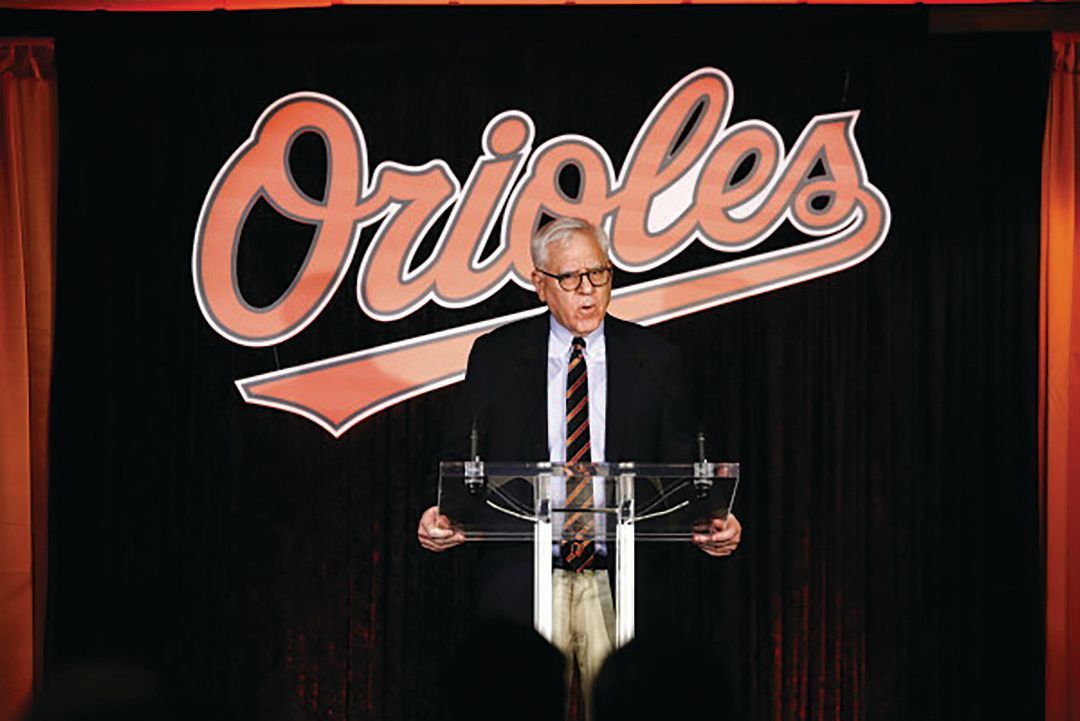
N Magazine: You acquired the Baltimore Orioles in 2024. What is your biggest surprise in owning a professional baseball team and what is the most fun aspect of owning the team? 


Rubenstein: The ability of an owner to affect the team’s play is infinitely more limited than the ability of an owner in virtually any other industry to impact performance of the underlying investment. Money can help but does not ensure performance to the extent that might be desired. The most enjoyable part of ownership has been reconnecting with friends and relatives from Baltimore whom I had seen much less regularly than I do and can now, and the delight of the fans at some of the ways we have improved the game-day experience. 


N Magazine: What makes you most optimistic about our prospects over the next 20 to 30 years? 


Rubenstein: We have a highly educated population. We have the leading universities in the world. We have a good political culture. It’s not as good as I would like it to be, but we have the rule of law, and to me, the rule of law is one of the most important things that has worked well for this country. We really believe in law, we believe in the legal system, and I think that’s provided a lot of stability. I also think that we have an entrepreneurial spirit in this country that is really second to none of any significant-size country. Our entrepreneurial spirit, the value we place on education and the great educational institutions we have, I think are going to sustain us well for many, many years in the future. I feel optimistic about all of that, and I feel optimistic that Nantucket will still be a significant place 250 years from now. 


N Magazine: We have seen a recent trend of socialists elected to mayoral and Congressional positions. Are you concerned about the trend and what it could mean for the political and economic direction of the country?


Rubenstein: I don’t know if I would call it a trend. A mayor of New York City was elected and three primary proponents of his were elected. The country has resisted socialism for several hundred years. Socialism was started in the 1800s in Europe and traveled to the United States, but never took hold in the United States. Leading up to World War II when we were in the Great Depression, there was pressure to change the economic model of the United States, but that pressure never took hold successfully. When we emerged from World War II, the socialist view as represented by Norman Thomas, who ran for president six times, did not catch on. I think capitalism and the so-called American way of life— which has not had socialism at the core of it—has never caught on in the United States. 


What you have here is a blip. Remember, about 7% of eligible voters in the New York primary vote in the election—a very small percentage of people. In primaries of municipal elections and city hall elections and mayoral elections, you get a small turnout. I wouldn’t get all that excited about it. Clearly, if everybody in Congress was a socialist, you would have a different country, which isn’t the case and it’s not likely to be the case.

Latest Stories


Nantucket's newest youth theater group, the Nantucket Stage Company
By JohnCarl McGrady July 31, 2026
Nantucket's newest youth theater group, the Nantucket Stage Company
By brianbushard July 31, 2026
Managed and staffed by world renowned St. Regis brand, this boutique residential building is located directly on the water in the heart of Boston's Seaport neighborhood where culture, dining and entertainment are just steps from your front door. Enjoy a curated lifestyle with 24-hour concierge, valet parking, doorman and a dedicated butler service, as well as the perks and privileges at St. Regis and Marriott properties around the world. Residences include Italian flooring in all living areas and the kitchen, BAMO custom designed cabinets, manufactured in Italy exclusively for the St. Regis Residences,Boston; natural stone backsplash and counter, and Sub-Zero and Wolf appliances. The bathrooms are inspired by a world-class spa, including heated floors. Residents enjoy an entire 12,000 square-foot floor of amenities including an infinity edge resort indoor/outdoor pool and terrace with a nano folding door to a harbor view patio, sauna, jacuzzi, steam room, spa, library, conference room, fitness center, sports simulator, residential lounge/bar, private wine vaults as well as two resident hotel guest suites. Valet, doorman, butler, 24/7 concierge and in-room dining provided by newly opened SAVR Restaurant
By brianbushard July 31, 2026
Tim Ehrenberg, creator of “Tim Talks Books” and president of the Nantucket Book Foundation, gives you his Top Picks for August
By brianbushard July 31, 2026
Fashion
By brianbushard July 31, 2026
Written by Brian Bushard Photography by Kit Noble
The Royal Nantucket Yacht Squadron
By brianbushard July 31, 2026
The Royal Nantucket Yacht Squadron
MORE STORIES