The Healing Power of Human Interaction
NEUROSCIENTIST BEN REINAT THE NANTUCKET WELLNESS FESTIVAL
Written by Brian Bushard
Photography Courtesy of The Nantucket Wellness Festival
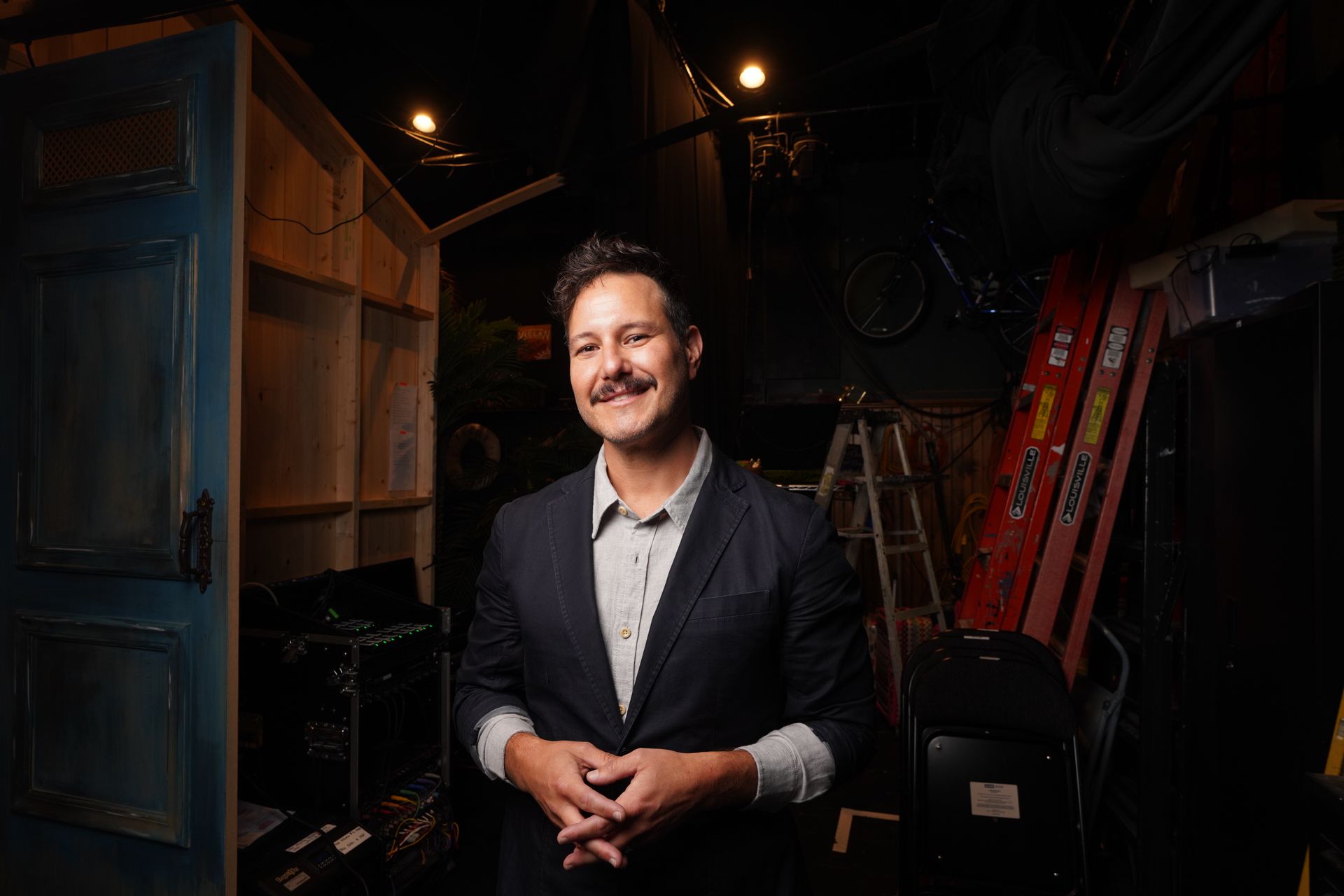
Every time Ben Rein approaches a stranger for a conversation, he is chipping away at not only his risk of mental health conditions like depression and anxiety, but also dementia, heart disease and diabetes. It might sound far-fetched, but talking to strangers could do as much for our brains as diet and exercise do for our bodies, according to Rein, a professor of neuroscience at SUNY Buffalo and the author of Why Brains Need Friends: The Neuroscience of Social Connection.
“People generally have a sense of what is going to happen to their body if they eat, or if they don’t sleep enough, or if they don’t exercise,” he said. But they don't have a great sense of what happens to their minds when they talk to strangers. Rein will be speaking on the power of friendship and community as one of nearly a dozen speakers at the second annual Nantucket Wellness Festival, the relaunched Nantucket Yoga Festival, set for June 26-28 at the Dreamland. “There’s a lot of evidence that people who are more isolated are at higher risk of mood conditions like depression, anxiety and suicide, but there’s also a higher risk for dementia, stroke, heart disease and diabetes,” he said.
The theory, according to Rein, is that isolation triggers a stress response in our brains. Our brains are wired to reward us for sticking together, he said, because at one point in our existence, that was critical to survival. On the other hand, our brains punish us for being alone, setting off an internal alarm signal that manifests as a stress response when we’re isolated. A prolonged stress response over years of social isolation is associated with higher levels of inflammation, which, in turn, makes people more vulnerable to downstream health effects like heart disease, strokes, dementia, atherosclerosis and diabetes.
The solution, it turns out, is as easy as talking to strangers or meeting with people in person as opposed to over Zoom, a phone call or a text message. “When we phone call instead of meeting up in person, we can’t see someone’s facial expressions,” he said. “There’s no touch, no smells, no body language—so you’re activating your brain to a lesser extent and engaging fewer of the benefits of interaction, because our brains are wired to reward us for being around others. But if your brain thinks you’re interacting with the iPhone and not another human being, then you’re not going to reap the same benefits."
Rein’s talk fits into a wider theme of community at the Wellness Festival, according to festival organizers Joann Burnham and Holly Ruth Finigan. Each talk will focus on a different topic—from sound healing to yoga. “We don’t really want to be vulnerable and approach others, but there’s a lot of research showing that not only are people friendlier than we expect and that they are more prone to talk to us and less prone to reject us than we think they will be, but also that we feel way better after interacting with strangers, and the stranger feels better too,” Rein said. “It’s an incredibly powerful and accessible free tool that we can all be using.”
Latest Stories