WATERSHED MOMENT


May 26, 2023

How the Clean Water Coalition is giving our harbor a fighting chance.


story by Larry Lindner

photography by Kit Noble

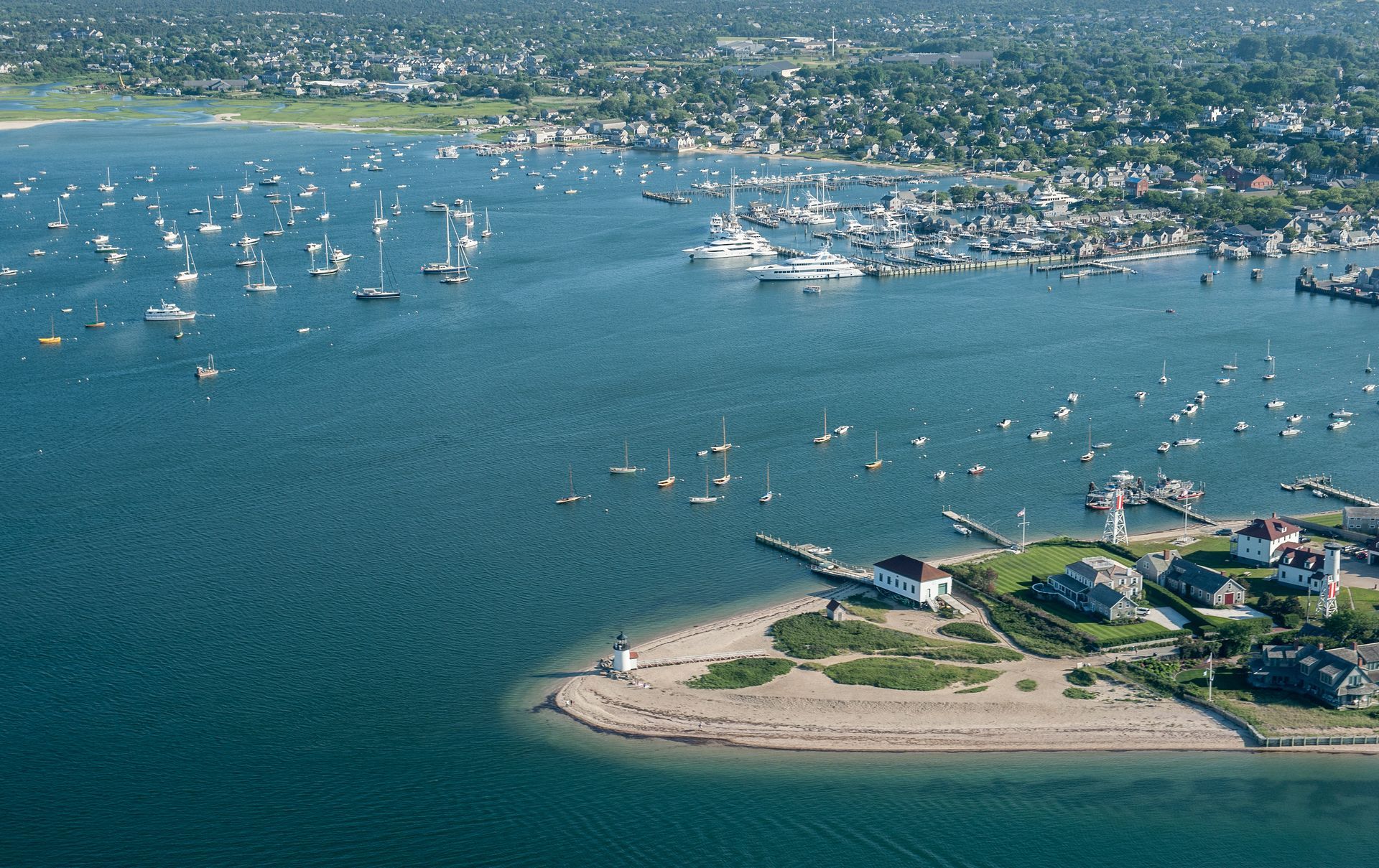
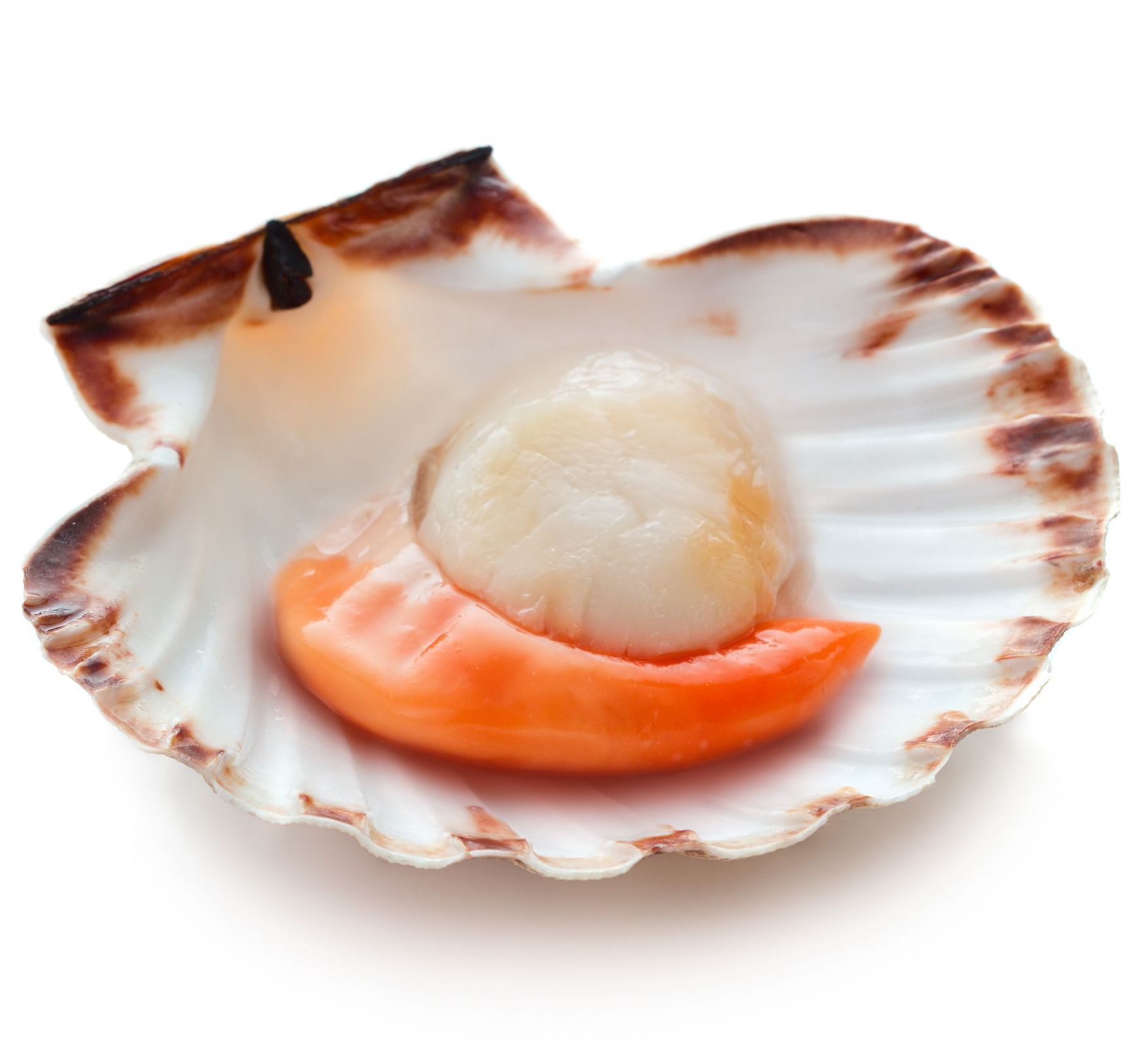
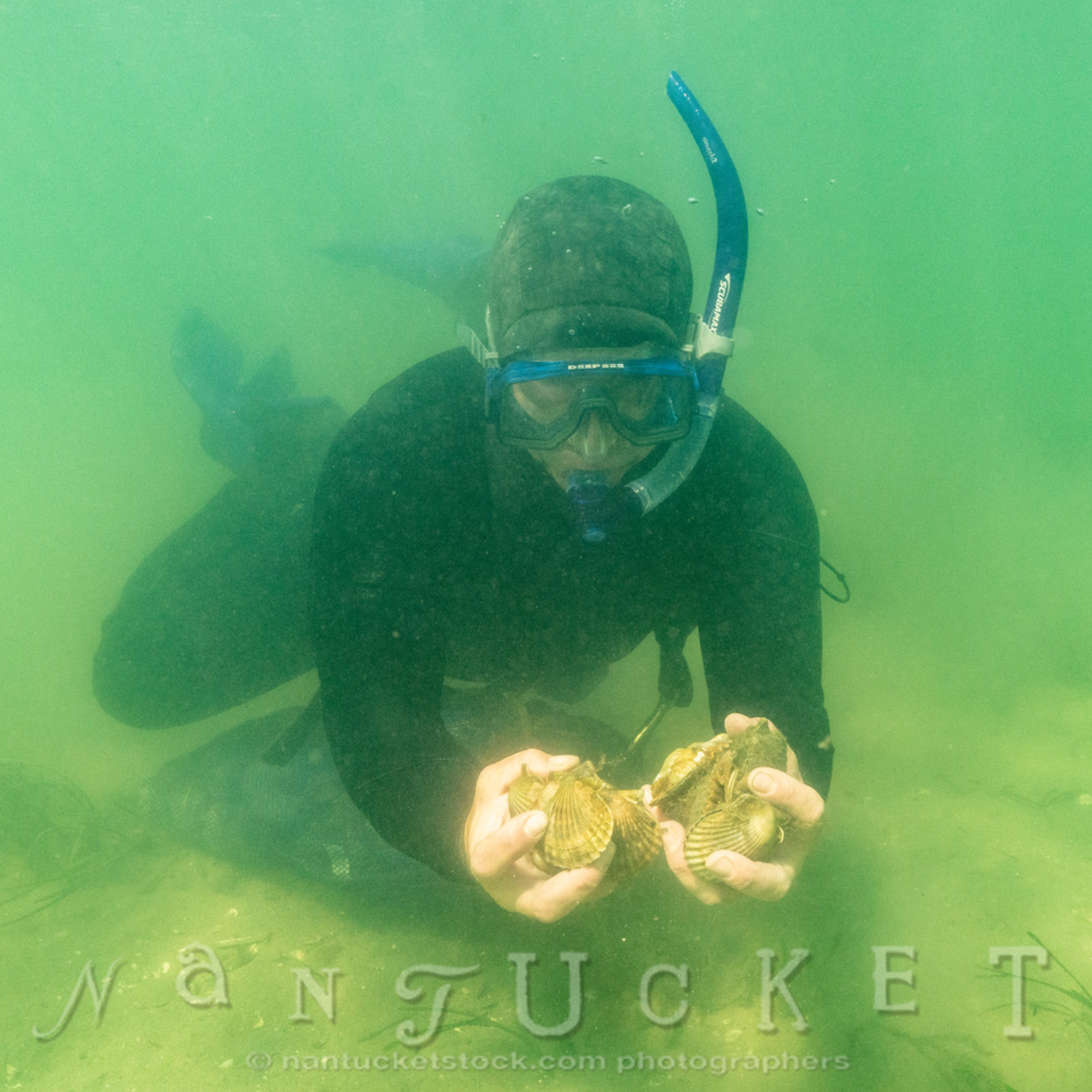
As recently as the early 1980s, Nantucket’s annual commercial scallop yield consistently reached 50,000 bushels, at one point climbing to about 120,000. Today, the annual scallop yield always falls below 10,000 bushels, and sometimes well below 5,000. It’s not because scallops have been over-fished. It’s because the waters off Nantucket have become too polluted to support the marine habitat in which they thrive.


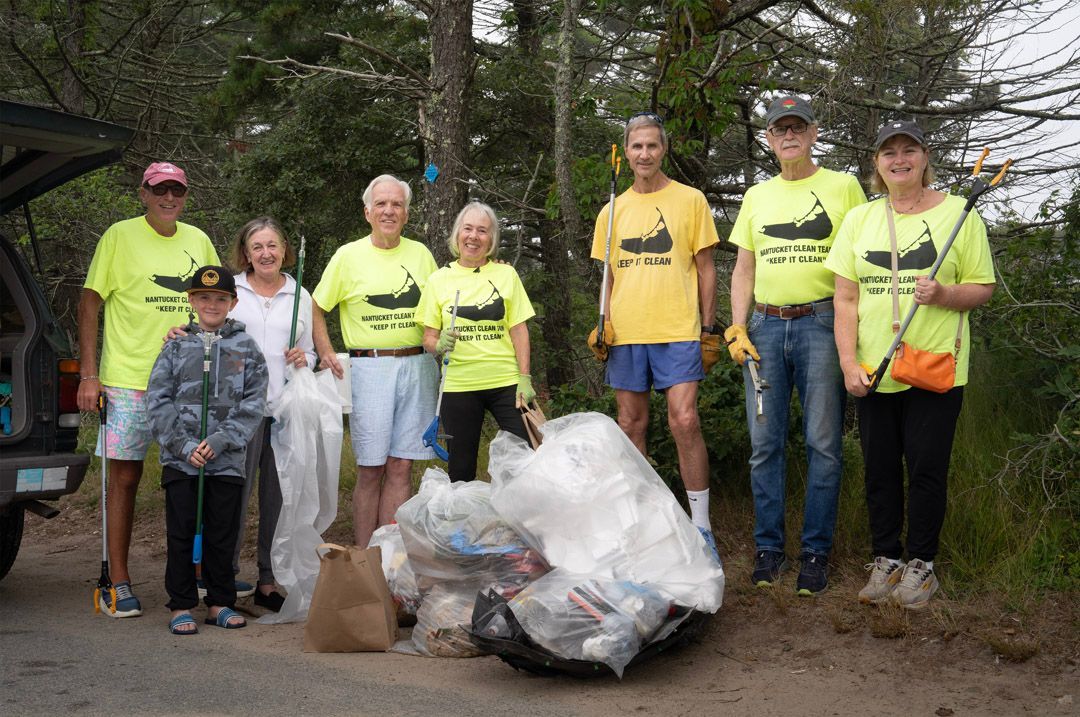
Scallop harvesting is only one casualty of the island’s ever-murkier waters. Pollutants also threaten Nantucket’s drinking water and compromise the safety of ponds and streams that sometimes teem with poisonous algal blooms. With the health of Nantucket’s water nearing a tipping point, the Maria Mitchell Association, the Nantucket Land Council and the Nantucket Shellfish Association have joined forces to form the Nantucket Clean Water Coalition. The new group wants to help people on island understand that much about the cleanliness of the water is under their direct, daily control.
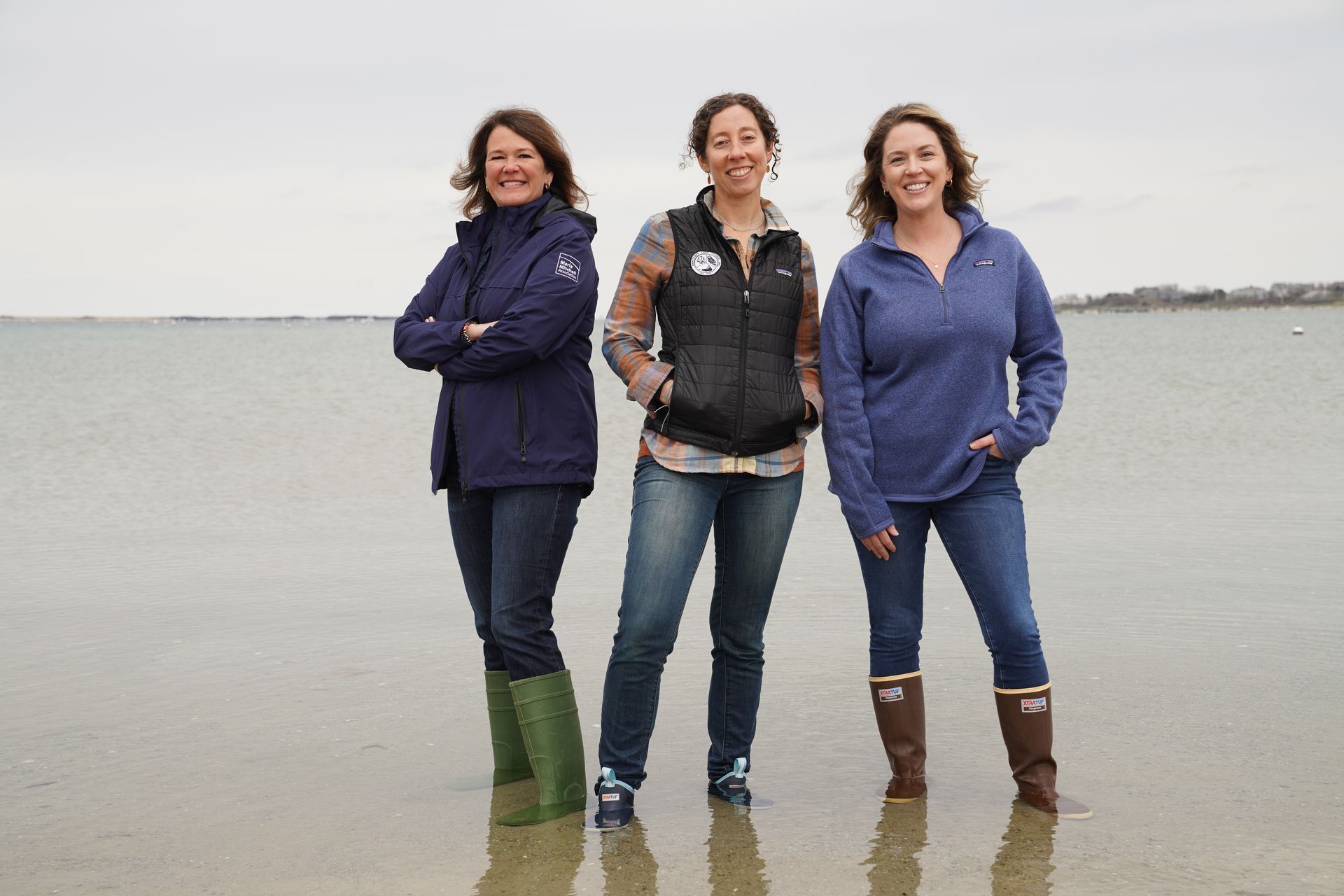
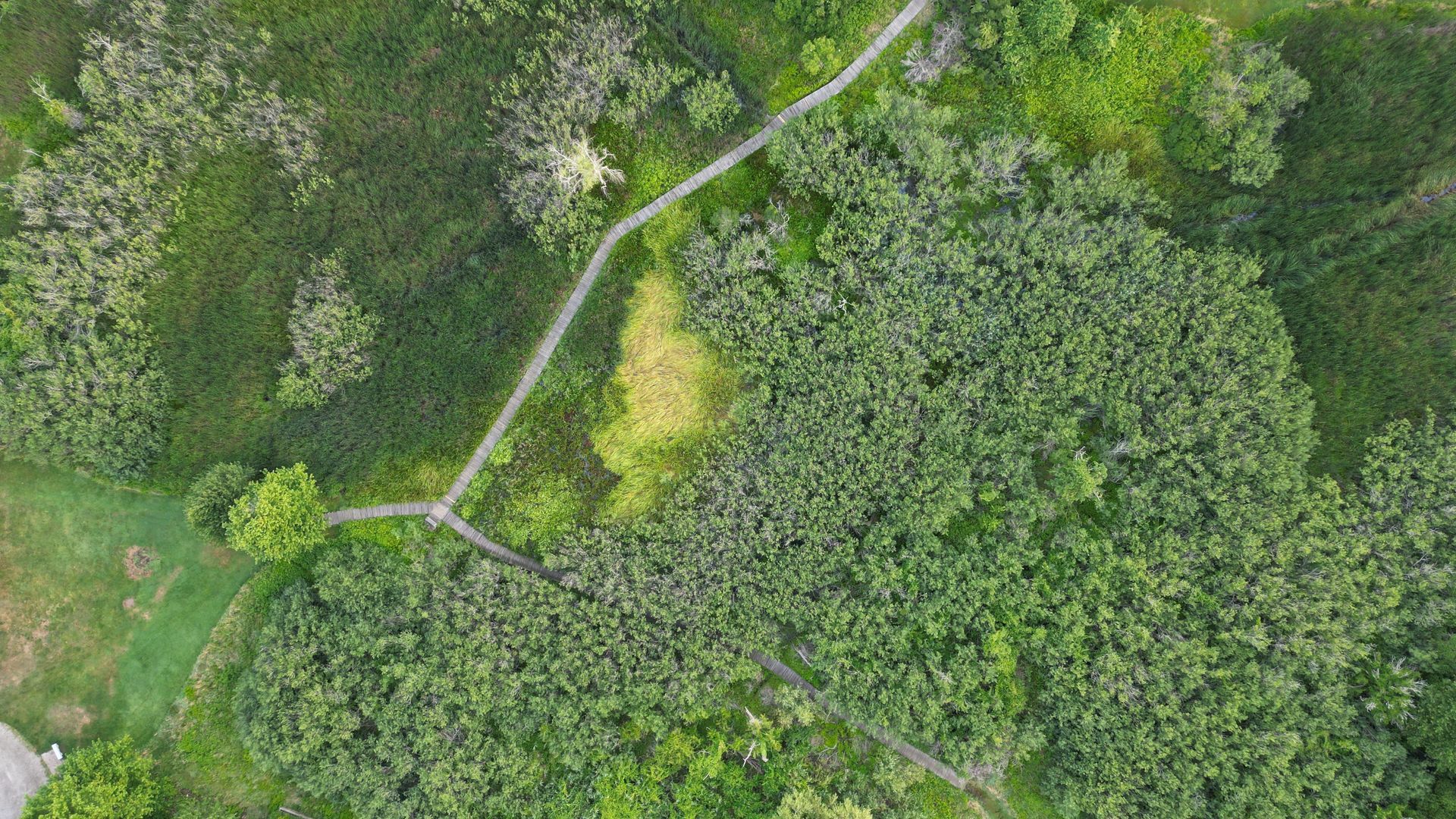
"No matter where you live on Nantucket,” says Emily Molden, executive director of the Nantucket Land Council, “you are in a watershed, meaning water is always flowing downhill from your property—into ponds, harbors, the ocean. So if any kind of pollutant on your land runs over the surface or leaches down into the groundwater, it gets transported and breaks out into one of those water bodies.” That includes the soap and wax you use to clean your car in your driveway or the paint thinner you might pour down a storm drain—one of those little sewer grates off the curb. It’s a particularly fraught issue on Nantucket, Molden says, because of the island’s sandy soils. Pollutants run through the ground at a faster rate than in most of New England, with the soil providing less filtration. That’s part of the reason that “the way in which we manage our land has huge implications for the health of our waters,” she says.


The Clean Water Coalition, which is collaborating with town departments including the Health Department and the Natural Resources Department, has identified three main actions people can take in their daily lives that would have a huge impact on restoring the cleanliness of Nantucket’s waters.
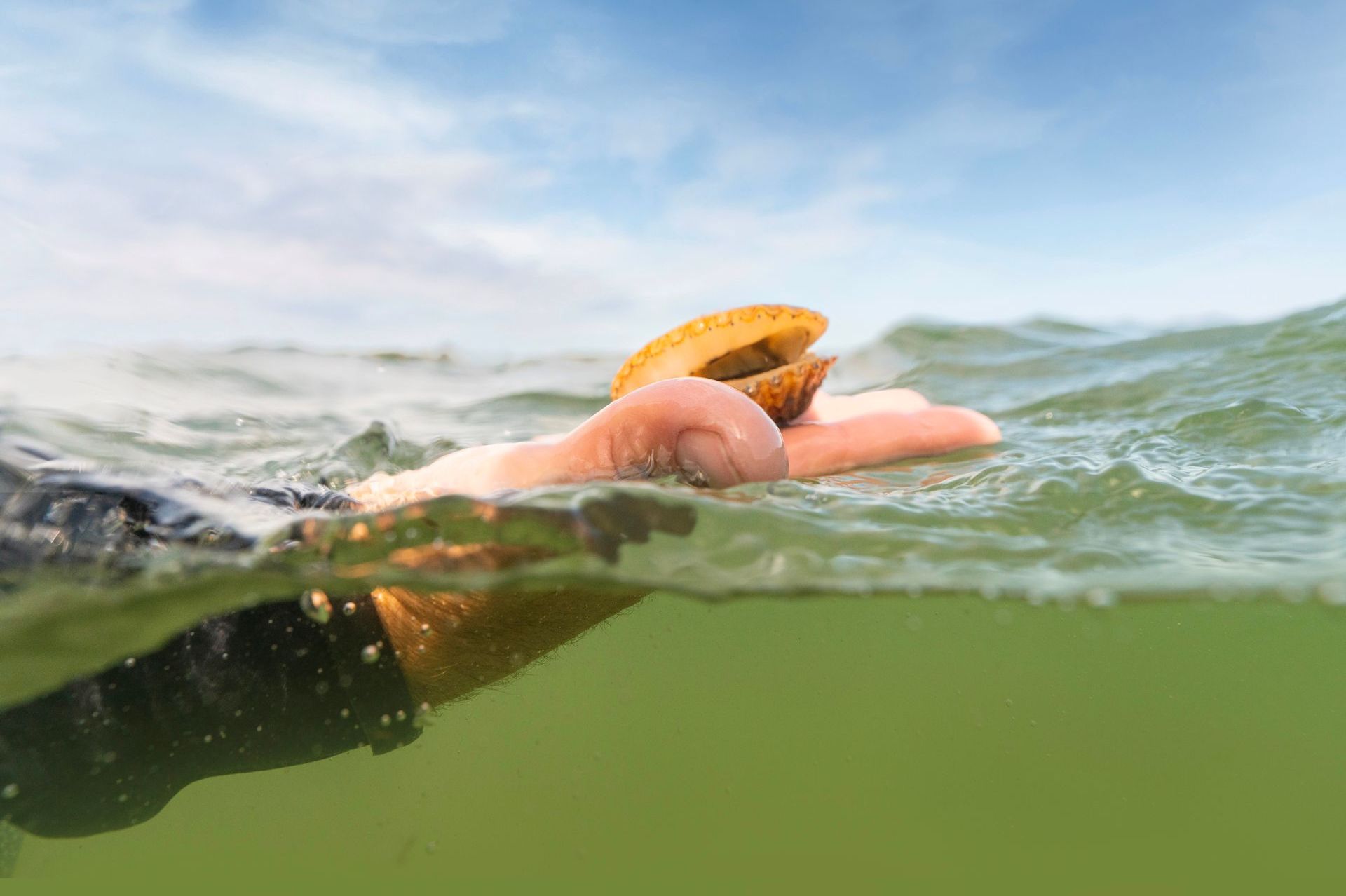
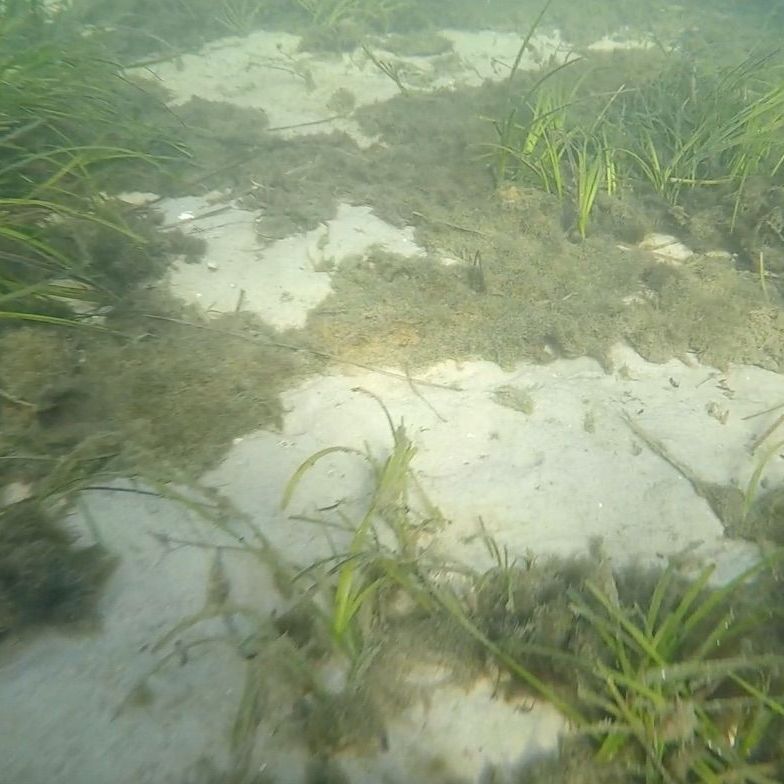
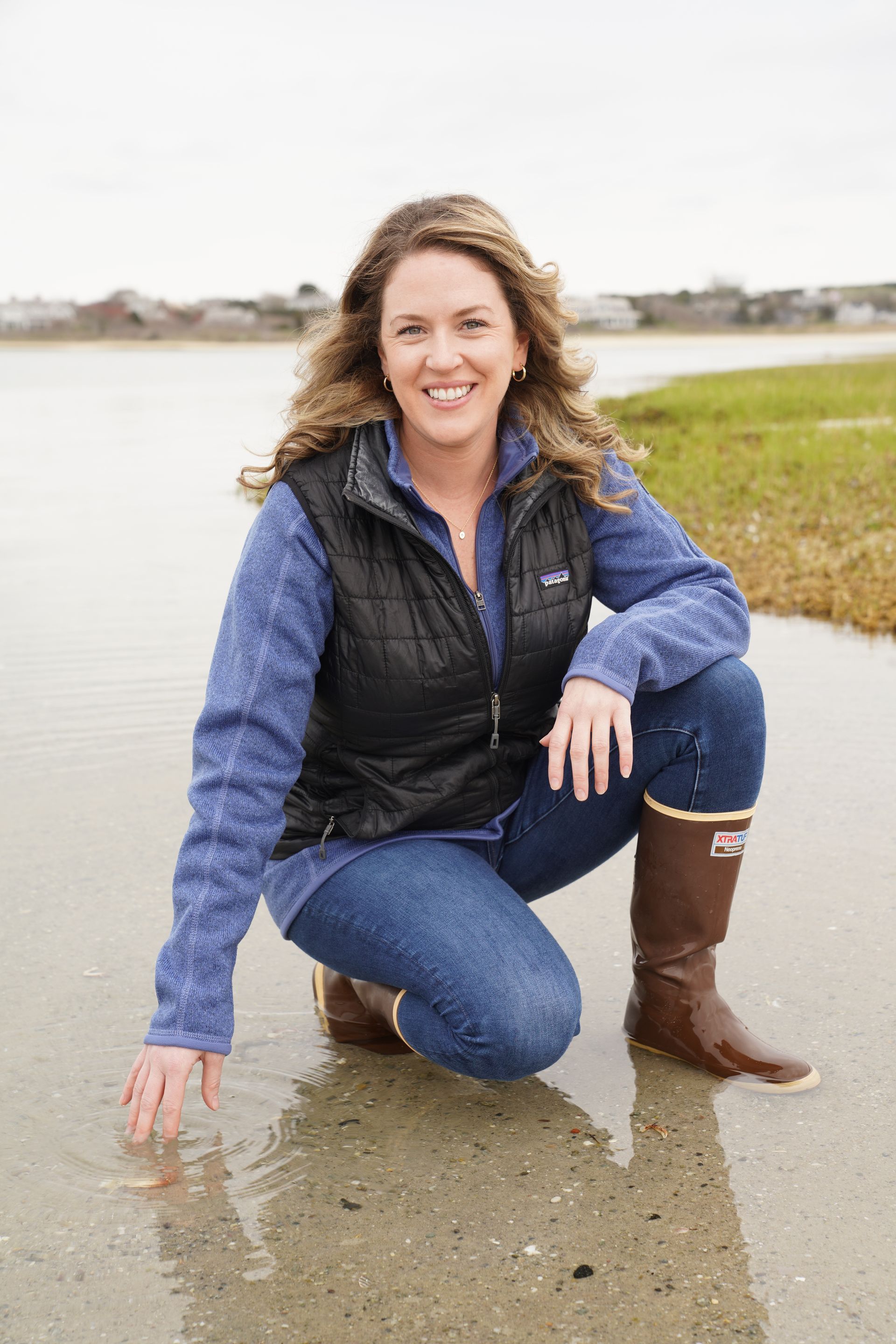
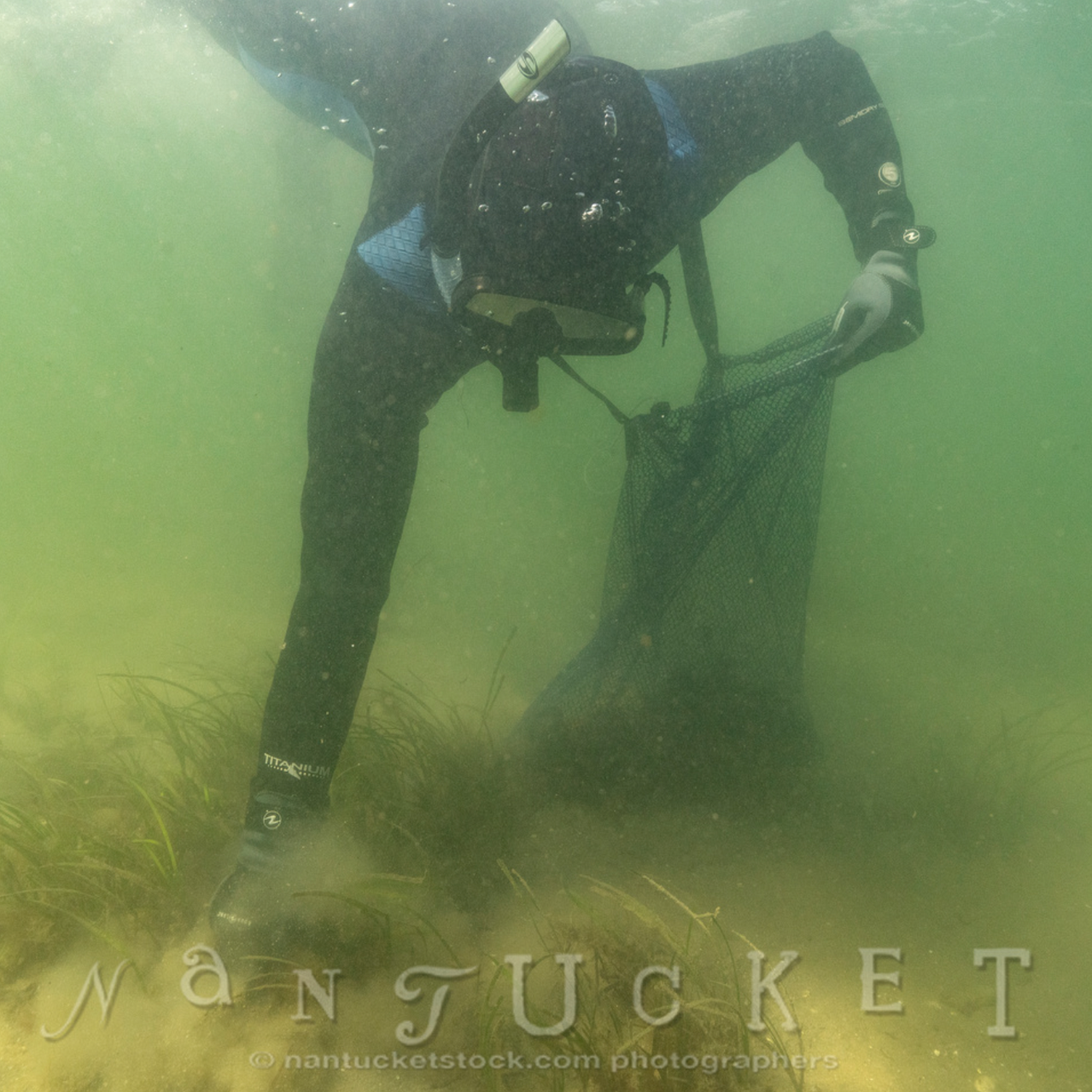
Fertilizer management. “We’re experiencing an over-application of fertilizer,” says Samantha Denette, executive director of the Nantucket Shellfish Association. “If grass uses what it needs, the rest is going to run off.” That runoff contains the fertilizing nutrients nitrogen and phosphorus. Excess phosphorus ends up in fresh water like ponds and paves the way for toxic algae. Nitrogen leads to algae growth in the harbor. The algae end up clouding the water column, making it difficult for the growth of eelgrass—the habitat in which scallops thrive.


“If you go snorkeling off Tuckernuck or Muskeget,” Denette says, “you will get this throwback experience to what eelgrass used to look like—beautiful green blades. Off Nantucket, it now looks fuzzy. In some areas it’s completely wiped out. In others, it’s either dying or a lot smaller and weaker than it used to be.”


How to have a nice green, fertilized lawn without overdoing it? Nantucket has its own fertilizer regulations through the Board of Health. Landscapers have to have a license to apply it, and that license has to be renewed every year to ensure that they are familiar with the rules. For instance, they’re not supposed to fertilize right before a heavy rainfall because the fertilizer will run off the grass and down into the water. Fertilizer is also not supposed to be applied between October 15 and April 15. Sometimes people put on fertilizer in the fall because they think it will protect their grass over the winter, Molden says, but plants can’t really use fertilizer if the soil is too cold. “It’s a complete waste of money,” and it will run into the water when it rains or when snow melts. It can also make its way to the underground aquifers that supply the island’s drinking water. “People should ask their landscapers if they have a license to apply fertilizer,” Molden says. “Another thing to ask: Could you use less?”


Denette suggests introducing native plants to gardens and yards. They require less fertilizer than lawns. “There’s some really beautiful stuff out there,” she says. Molden adds that when developing or redeveloping a lot, leaving mature native vegetation in place as much as possible would be a huge benefit. “When a lot is being developed,” she says, “one of the worst things that can be done is to scrape the land of its existing native vegetation. Ripping out plants releases additional phosphorus and nitrogen into the groundwater, and establishing new plantings typically requires more fertilizer.”

Wastewater management. Ideally, more of Nantucket would be on a sewer system that consistently and adequately filters nitrogen, phosphorus and other contaminants from the water we flush and send down tub and sink drains. As it is, we have a range of treatment systems ranging from decades-old cesspools and pits to newer, innovative systems. But even with the best systems, Molden says, “typically at least some forms of nitrogen and phosphorus end up in a leaching field and make it into the ground from there. Regulations talk about how far away a septic system can be from a water body. But rain is always going to slowly carry those things into the groundwater and from there, out to ponds and the harbor.”


The best thing people can do, she says, is have their septic system pumped every one to two years. As a system fills up, more nitrogen and phosphorus are going to bypass it and end up in the leaching field. When you pump your system, not only are you leaving room for more waste products, you are also sending effluent into a truck that delivers it to a sewage treatment plant rather than letting it flow underground until it lands in water that would otherwise remain clean.


Stormwater management. When it rains, some of the water will percolate into the soil, and some will run right over the ground’s surface and end up in storm drains. Either way, as it travels along, it picks up nitrogen, phosphorus and anything else that makes it way to the street. If it hits soil, it potentially contaminates the underground drinking water supply. If it flows into a storm drain, it makes its way into Nantucket’s outfall pipes that discharge directly into the harbor.


“Right now, we don’t have a stormwater management plan,” says Joanna Roche, executive director of the Maria Mitchell Association. That makes it all the more important not only to refrain from dumping things into storm drains but also from engaging in activities that could send pollutants into storm drains passively. That would include applying an excess of fertilizer on your lawn, letting oil or gas leak from your lawn mower, or haphazardly applying a cleaner to a rug that you took outside to wash.
The Clean Water Coalition has been in discussions with various town departments so that restoring the island’s waters becomes a shared agenda that involves all concerned parties. Natural Resources Director Jeff Carlson is one of those who is happy to participate. “The Clean Water Coalition has helped us broaden the network of people getting connected to information,” he says. “Meeting with hem to talk about all things ‘water quality’ keeps everyone in the loop a little bit better and really helps us to work collaboratively to get the word out.”


As an example, Carlson says, “We may put something out about fertilizer management in early April. The seasonal people—three or four times the year-round population—may not see it. But if it goes through a nonprofit, it gets out so many times and in so many different ways. One of those ways is going to connect with the end user.”


And each end user makes an impact. “People think, ‘Me doing one thing every day is pointless,’” says the Nantucket Shellfish Association’s Denette. “But with the summer population, we have 80,000 people. If each one did just one change in the positive, think about just how much progress we could make. It doesn’t mean changing everything about your life. Maybe this year it’s a couple of native plantings; next, it’s reducing your green lawn footprint a little bit.”


The stakes are exorbitantly high because of Nantucket’s iconic geological status. The island has one of the last natural bay scallop fisheries on the East Coast, for instance. “We may still have time to sustain it,” the Land Council’s Molden says. “Many communities have basically lost it all.” “You don’t choose to go to an island if you don’t like water,” adds Denette. “Our harbors, the waters around us, it’s who we are. I want people to know they can make a difference. We are all stewards of Nantucket’s future.”

The Clean Water Coalition includes ACKlimate Nantucket, Great Harbor Yacht Club Foundation, Linda Loring Nature Foundation, Maria Mitchell Association, Nantucket Marine Mammal Alliance, Mass Audubon, Nantucket Chamber of Commerce, Nantucket Civic League, Nantucket Conservation Foundation, Nantucket Land Bank, Nantucket Land Council, Nantucket Pond Coalition, Nantucket Shellfish Association, Sustainable Nantucket and UMass Boston Nantucket Field Station.


Latest Stories

By brianbushard August 3, 2026
Written by Brian Bushard Photography by Kit Noble While they may not be household names in the true Hollywood sense, Nantucket’s summer population includes powerful producers, screenwriters and editors who are behind the scenes on the movies we all recognize. Indeed, Nantucket has an underground entertainment community that is in effect a hidden Hollywood.“I got involved in the Nantucket Film Festival before we bought a house on the island,” said Marc Resteghini, a producer with Amazon MGM Studios who executive produced the series Young Sherlock. “As I started to learn a little bit more about the festival itself, I started to realize there were a lot of people who either lived on the island or vacationed here from the entertainment industry.” Resteghini was named the new chair of the film festival this June. While Nantucket has a reputation for attracting politicians and Wall Street titans, lesser known is the fact that dozens of leaders in the entertainment industry have also found Nantucket as their summer refuge, just not the names you might know. “It’s like Sergeant Pepper Lonely Heart Club Band,” actor John Shea said. “We see each other but the last thing we want to do is talk about the film business. It’s more of a quiet acknowledgement of a fellow traveler thana fellowship.” “The Vineyard is where all the actors and the writers go, the creatives,” documentary film producer Annabelle Dunne added. Dunne summers on Nantucket. “I think a lot of people that work in Hollywood come here to be with their families, relax and enjoy Nantucket, not to network. But it is a small island, and sometimes when you take away the work component and you say we’re just getting together to get together, then things can happen.” 
By Jack Bradner August 3, 2026
Written by Jack Bradner Photography by Kit Noble At Cru, expect to spend $50 on a lobster roll from the lunch menu. At Bartlett’s, one pound of lobster salad goes for a whopping $74.99. On an island where dinner and cocktails for two will make a significant dent in your wallet, lunch prices have been creeping up. This year, N Magazine ’s Lobster Roll Index puts the average roll over $42. Cru’s $50 premium is still the highest. On the other hand, B-ACK Yard BBQ reduced its price from $46 to $38 this year. But across the board, prices have soared, going for $49 at Brant Point Grill, $48 at Galley Beach Restaurant, $47 at Tavern, $45 at The Lobster Trap, down to $35 at Walter’s and—for the brave—$7.99 at Stop & Shop. “I can remember getting $2.50, $3 a pound for lobsters when we were younger,” veteran lobsterman Dan Pronk said. “Now, on the mainland, it’s probably doubled in price.” Whether you associate lobster rolls with summers on Nantucket or Instagram travel blogs, the dish is central to the island’s cuisine and culture. Cru’s $50 premium is still the highest. On the other hand, B-ACK Yard BBQ took the untraditional step of reducing its price from $46 in 2025 to $38 this year. It’s unclear whether the lobster portions also shrank. But across the board, prices have soared, going for $49 at Brant Point Grill, $48 at Galley Beach Restaurant, $47 at Tavern, $45 at The Lobster Trap, down to $35 at Walter’s and—for the brave—$7.99 at Stop & Shop. Though lobster rolls are known as a luxury item, these current prices weren’t the norm 20 years ago. In the 1984 Nantucket Restaurant Guide , Sconset Cafe boasted a $6.50 lobster roll, which, when adjusted for inflation, comes to $21.38 today. And even across six restaurants, the average lobster roll in 1994 comes at a reasonable $24.76 in today’s economy. “In the old days, there were 1,500 guys in southern New England lobster fishing,” said Pronk, captain of the fishing vessel Black Earl and one of only two lobstermen on the island. “Now there might be 200 tops.” Of those 200 lobstermen, Pronk estimates a meager 18 are allowed to fish 800 traps under federal law. In recent years, he has had to spend extra not just on his boat but on state licensing, just to get back to where he was. “They took my 800-trap license and cut it to 400,” Pronk said. “I spent $42,000 buying that piece of paper back so I could fish 800 traps again.” “You’re the mechanic, the weatherman, the captain, the fisherman, the organizer and the business owner,” Nantucket’s other lobsterman, Jim Sjolund, added. Even with these hurdles, Pronk maintains the cheapest lobster rates on the island, at $14 per pound. Though both Pronk and Sjolund deliver to a handful of restaurants—The Lobster Trap, Sayle’s Seafood, Sea Grille and The Fairgrounds—Pronk estimates that less than 1% of Nantucket’s precious delicacy is sourced locally. “[Lobster] comes here on a boat,” Pronk said with a chuckle, “but not a fishing boat.” Despite high prices and the perceived wealth around lobster rolls, the lunch staple wasn’t always considered elite fare. In the 1980s and 1990s, fancy French lobster dishes covered the pages of Nantucket’s restaurant menus. But one lobster dish was curiously absent from most of them. In a 1981 restaurant guide, only Claudette Pearl’s catering service featured lobster rolls on the menu, listed under “Party Sandwiches.” Comparing Claudette’s listing with the French titles on The Chanticleer and The Club Car menus reveals two opposing culinary philosophies: One is more informal than the other. Throughout Nantucket’s history, lobster rolls have been less about luxury and more about community. During the 1956 St. Paul’s Fair, as described in The Inquirer and Mirror ’s edition that August, Mrs. Wanda Glidden prepared lobster rolls, among other delights, for a lunchtime feast. A September 1988 issue of The Inquirer and Mirror credited Elsie Grieder, wife of former Great Point lightkeeper Frank A. Grieder, as the inventor of the lobster roll. This year, on the evening before Father’s Day, a crowd gathered at the Town Pier around Pronk’s Black Earl to purchase lobsters. Peopled with customers from diverse occupations and backgrounds, the crowd matched Pronk’s positive charm. Younger families walked down the dock. Older couples cracked jokes. A friend of Dan’s crew dished out cans of Lagunitas. A former golf pro bought a couple pounds of lobster. Some chatted in Spanish, and others talked in English. Some were first-time customers, and others had been buying from Pronk for years. At the center of this uplifting expression of community were Dan and his lobsters.
By brianbushard August 3, 2026
Written by Brian Bushard Photography by Kit Noble There are family vacations and there are family vacations. Some people take their kids to Disney World, some take their kids to a Caribbean resort. But Dan and Sarah Gault have taken family travel to an entirely different level. This August, the Gault family will take an 11-month trip of a lifetime from their house on Nantucket to 18 countries on three continents, traveling like vagabonds through Africa, Asia and Australia. Their four school-aged kids will join them for the entire length of the vacation, ditching the comforts of life on Nantucket for an education they would never receive in school. “On this trip, forget about watching a big screen TV,” Dan said. “We’re talking about things like clean drinking water and having electricity 24 hours a day. Showing them those things gives them perspective. It plants a seed in them for a lifetime.” The Gaults, by their own admission, are not ordinary travelers. Since their trip will take nearly a year, their four children—in eighth, seventh, fifth and third grade—will be homeschooled through a math and English curriculum, as well as a healthy dose of reading, journaling and cultural visits to museums and historical sites. Instead of a beach resort vacation, they’ll be in city centers and remote parks, immersing themselves in new cultures and languages. And since the children are growing—and taking up more space in their house on the island—the entire trip will coincide with a yearlong project to lift their house in Warren’s Landing, making more space for the family of six to spread out. For the time they’re gone, Sarah, a special education teacher at Nantucket Public Schools, will be on sabbatical and set to return for the 2027-2028 school year. Dan, who owns a property management company, handed the reins to his second-in-command for the time being. “My whole team stepped up to make this possible,” he said. “I was anxious to tell two groups of people—my employees, because I didn’t want them jumping ship, and my clients in the management world, because I didn’t want them to be upset. But they were maybe the most supportive.”
By Jen Laskey August 1, 2026
Four Drinks for August Written by Jen Laskey August inspires us to squeeze every last drop out of summer. Whether you’re ticking experiences off your end-of-season bucket list or practicing the lost art of doing nothing, or a little of both, Nantucket’s drink experts have the perfect pours to help you make the most of summer’s last call—from a Cointreau-based spritz to a Portuguese white blend and a lush bourbon and beach plum cocktail. Let’s all linger in summertime a little longer. COINTREAU CITRUS SPRITZ ($19.99, 750 ML bottled cocktail at The Islander) COINTREAU L’UNIQUE ORANGE LIQUEUR ($48.99, 750 ML bottle at The Islander) Recommended by ZEINA METRI,co-owner, The Islander If August has you in the mood for ready-to-serve simplicity, Zeina Metri recommends the Cointreau Citrus Spritz. It’s made with French white wine and natural citrus flavors, and the star ingredient is Cointreau, anorange liqueur distilled in western France that’s often used in margaritas and cosmopolitans. “Cointreau is such a versatile liqueur,” noted Metri. “It’s crafted from a blend of sweet and bitter orange peels and gives cocktails a depth and balance that elevates every other ingredient around it.”The Cointreau Citrus Spritz comes in two flavors—Orange & Blood Orange and Lemon & Lime. It’s light enough to day-drink with friends on a warm afternoon or to sip while watching those last summer sunsets. With its low alcohol level (10.5% ABV) and resealable screw cap, it’s perfect for a month when all you want to do is chill. Just pour it over ice and voila! “The Cointreau Spritz is bright, refreshing and vibrant without being overly sweet,” said Metri. And if you’d rather make your own, simply pour a splash of Cointreau into something bubbly. LUÍS SEABRA, GRANITO CRU DÃO BRANCO, BLEND OF ENCRUZADO, BICAL AND CERCIAL, 2022 ($155/bottle at Galley Beach Restaurant) Recommended by IEVA ALDINS, Wine Director, Galley Beach Restaurant Every summer has that one unforgettable discovery, and this year it might just be Luís Seabra’s Granito Cru Dão Branco, a white blend of three native Portuguese grapes: encruzado, bical and cerceal. “This wine is sunshine in a glass,” said Ieva Aldins, wine director of Galley Beach Restaurant. “It [has] mouth-watering acidity, voluptuous elegance, minerality and salinity that make it a perfect summer sipper.” Seabra is one of Portugal’s top winemakers. “He used to make wines for Niepoort Winery but now focuses on his own old-vine and terroir-driven wines,” said Aldins. “His Cru series focuses on sourcing vineyard sites with high mineral content—as the name [Granito] suggests.” Aldins recommends sipping the Granito Cru by the beach and pairing it with shellfish and seafood. “I particularly love it with our crab cake or lobster spring roll, as it has both the body to hold up to these dishes and the acidity to hold up to their richness,” she said. BEACH PLUM RUSH($16 at The Fairgrounds) Recommended by CONRAD MEURICE Bar Manager, The Fairgrounds The blushy golden-orange color and tart, floral notes from beachplum honey give this cocktail an unmistakably late-summer vibe. The Beach Plum Rush is one of the most popular signature drinks at the new Fairgrounds restaurant, said bar manager Conrad Meurice. “It brings together a traditional Kentucky straight bourbon with some local flavor flair of beach plum,” he said. “We balance out the cocktail with some fresh lemon juice and add Angostura bitters for a crisp citrusy finish with a hint of spice.”A riff on the Gold Rush, a type of whiskey sour made with honey rather than simple syrup, Meurice’s Beach Plum Rush gets an additional pop of flavor from honey that he infuses with beach plum. You can buy beach plum honey at local specialty food shops, but Meurice says you can also quickly mix up your own by stirring a little beach plum jam into some local honey. Best sipped at The Fairgrounds’ new flower bar, the Beach Plum Rush is a great pairing partner for the restaurant’s beet salad with salmon or shrimp, or the tuna poke bowl. Makes 1 serving - Glassware: Rocks glass Ingredients: - 2 ounces Kentucky straight bourbon• ¾ ounce lemon juice • ¾ ounce beach plum honey• Dash of Angostura bitters Instructions:
By brianbushard July 31, 2026
Written by Brian Bushard Photography by Kit Noble A taste of New York has arrived on Nantucket. By 10 a.m. on a Saturday, the bagels at Slow to Rise Bakery’s stand at the farmer’s market have all but sold out. Down the street, Bagel Bar (opened in June by the owners of sushi restaurant Bar Yoshi, no less), is peddling freshly baked bagels. Meanwhile, Nantucket coffee conglomerate Roastd is baking bagels at its Airport Gas shop for its four island locations. And on Old South Road, the Meat & Fish Market is baking bagels every single morning. “It seems there has been a bagel explosion,” Bagel Bar owner Marc Knight said over a brunch of bagel sandwiches and Italian paninis. “This whole idea started a year ago and [Bagel Bar] opened briefly last year. But when we hatched the idea, there wasn’t as much of a bagel scene.” But over the past few years, Nantucket’s breakfast scene has started to look a lot more like something out of Brooklyn. At the Meat & Fish Market, owner Sean Ready has been baking bagels in house and serving heaping bagel sandwiches since he opened the shop nine years ago. The Meat & Fish Market even introduced a Cisco bagel, made with the brewery’s Whale’s Tale Pale Ale. Meanwhile, the duo of Tucker Puljic and Katrina Newfrock have been running Slow to Rise on Nantucket since 2022, with classics like plain, poppy seed and cinnamon sugar, to a Middle Eastern za’atar spice bagel, an English muffin bagel and an Italian-style cacio e pepe bagel with Parmigiano-Reggiano and black peppercorns. This isn’t the first time Nantucket has seen everything bagels everywhere. In the mid-1990s, Nantucket got its first taste of New York bagels, when Big Apple transplant Brad Moore opened Bagel Basin behind the former restaurant 21 Federal. Not one month later, there was a second bagel shop, The Nantucket Bagel Company, which was later purchased by Something Natural. The Gaslight even baked its own bagels for a time for Sunday brunches, serving smoked salmon or bluefish on bagels and tuna tataki or Italian cold-cuts in bagel sandwiches—with mimosas and Bloody Marys. Where Nantucket’s burgeoning bagel scene goes from here is to be seen. But if one thing is true, this is no half-baked idea. “The popularity of bagels has exploded in the last 10 years,” said Chris Dadey, a food and beverage consultant for Roastd. “It’s a little bit of New York culture moving north."
By brianbushard July 31, 2026
A Taste Of Jamaica At the Chicken Box Written by Brian Bushard Photography by Kit Noble Recipe By Peticea Murray The Chicken Box as a venue is known for its music and bar scene, but during the day thereis a completely different vibe. In June, Peticea Murray started bringing her food truck, 876 Island Cuisine, to the Box. By the time the lunch crowd arrives, the truck, which takes its name from Jamaica’s area code, is slammed with customers.“A lot of the island workforce is built by Jamaicans,” said Murray, who grew up cooking with her grandmother in Montego Bay. “I have a passion for it, but I myself did not have anywhere to buy this authentic Jamaican food [on Nantucket]. I thought I have to have a Jamaican restaurant so my people can have somewhere to have authentic Jamaican food, and not only that, to bring Jamaican culture through food to the Nantucket native people.”Murray’s truck offers staples like jerk chicken, as well as escovitch fish, rice and peas (red kidney beans are typically used, but the name comes from the local red peas in Jamaica), and coconut water straight out of the coconut. “[My grandmother] taught me all the old recipes, all the good stuff,” she said. “That’s why I cook the way I cook, because it’s coming from generations of authentic flavors.” JAMAICAN RICE AND PEAS, yields 8-10 servings Ingredients: -2 cups long-grain rice, washed -2 cups cooked red kidney beans (or 1 can, drained and rinsed) -1 can (13.5 ounces) coconut milk -2 cups water(reserved from cooking beans) -3 cloves garlic, minced -4 sprigs fresh thyme -2 scallions, chopped -1 small onion, chopped -1 whole Scotch bonnet pepper(do not cut it open) -1 teaspoon salt (or to taste) -½ teaspoon black pepper -1 tablespoon butter Instructions: In a large pot, combine the kidney beans, coconut milk, bean liquid (or water),onion, garlic, thyme, scallions, salt, black pepper and butter. Add the whole Scotch bonnet pepper and bring everything to a gentle boil. Let it simmer for about 10 minutes so the flavors develop. Cover the pot with a tight-fitting lid, reduce the heat to low and cook for 20-25 minutes, or until the rice is tender and all the liquid has been absorbed. Remove the Scotch bonnet pepper and thyme stems. Fluff the rice and gently with a fork before serving. CHEF’S TIP: The key to authentic Jamaican rice and peas is allowing the coconut milk, thyme, scallions, garlic and the Scotch bonnet pepper to simmer together before adding the rice. This creates the rich, flavorful base that makes the dish stand out. Keeping the Scotch bonnet whole adds its signature aroma without making the rice overly spicy. This recipe pairs perfectly with jerk chicken, curry goat, brown stew chicken, oxtail or escovitch fish.
MORE STORIES