Critical Care Connectors
Linking Nantucket to specialized emergency care when every second counts for more than 350 patients each year
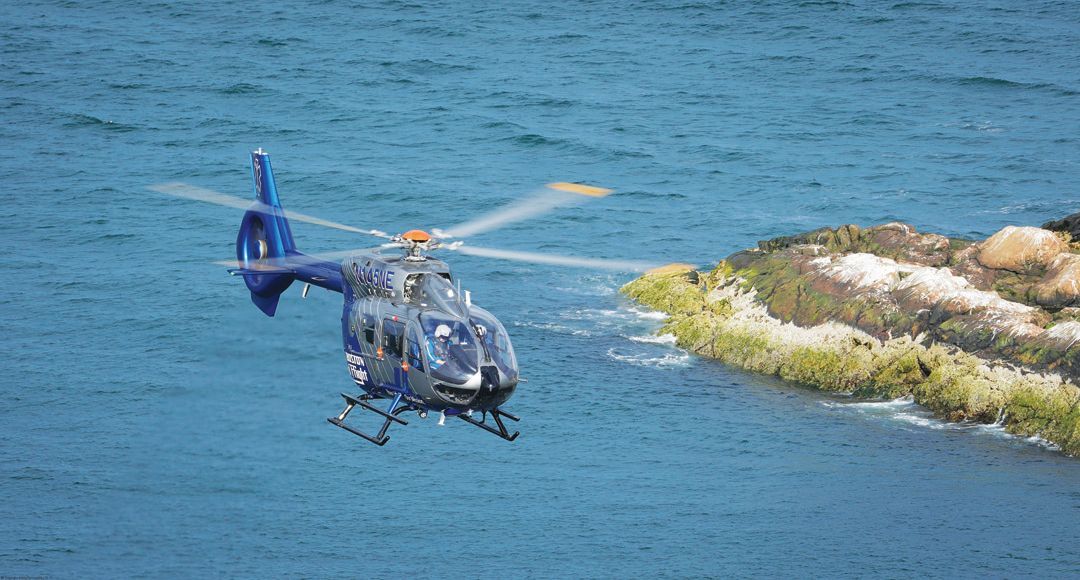
When Olivia Messina was 26, she suffered a stroke. Messina, who had no prior medical history, was vacationing on Nantucket with her family when the neurological symptoms set in. A stroke was the last thing on her mind. Her parents rushed her to Nantucket Cottage Hospital, where doctors quickly realized she would need advanced care at an off-island facility. In a matter of minutes, she was transported—along with her mom—on a Boston MedFlight helicopter to Boston, where it was discovered she had a genetic blood disorder and a previously undiagnosed PFO that would require heart surgery.
“Having Boston MedFlight’s services available on Nantucket meant everything to me in a moment when every second truly mattered,” said Messina, who made a full recovery and will be running the Falmouth Road Race for Boston MedFlight, the region’s leading nonprofit critical care transport organization. Messina is one of over 110,000 people who have been transported over 40 years by Boston MedFlight for emergency care at regional hospitals. On average, the organization transports nearly 7,000 patients a year by air and ground, bringing the expertise and resources of an intensive care unit directly to patients, wherever they are, and regardless of their insurance or ability to pay.
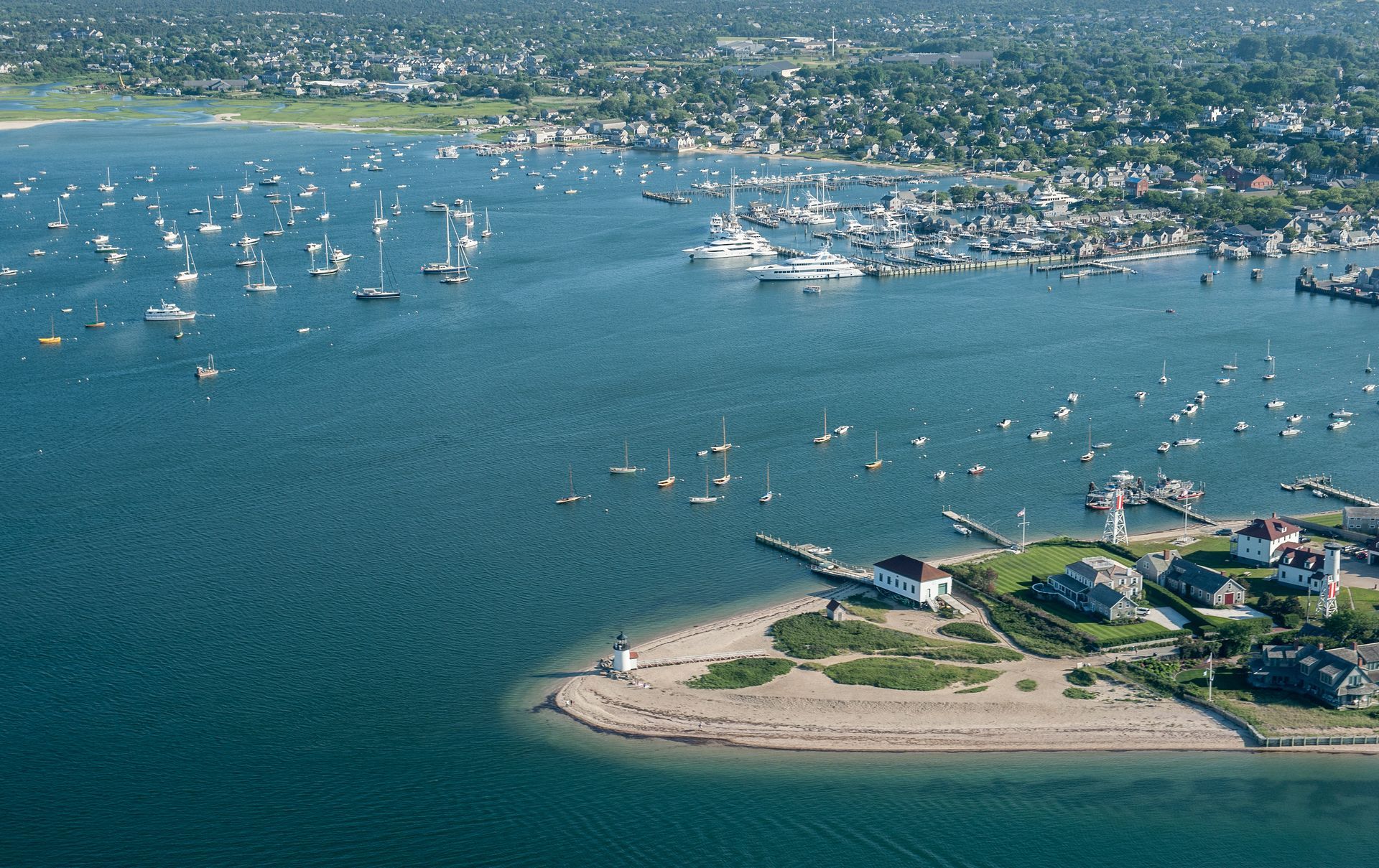
On Nantucket, Boston MedFlight transported 362 people—nearly one a day—off the island over the last fiscal year—an 11% increase from the year before. It doesn’t matter what level of care is needed or who the person is to be transported in an emergency. Last year, that meant not only year-round and summer residents, but day trippers spending just an afternoon on the island.
"The island is fortunate to have access to high-quality care—but no hospital can do everything for every patient,” said Boston MedFlight CEO, Maura Hughes. “While we don’t always think of Nantucket as rural, in the height of summer—or in a critical emergency—that short distance off the mainland can quickly become a real challenge. That’s when we’re here to help, getting patients where they need to go, especially when ground transport isn’t an option.”
Even more, Boston MedFlight, which relies on donor funding, has never turned a patient away over their ability to pay. The organization, which bills insurance when available, ensures that patients are never left with a large bill—receiving reimbursement if services are covered, while others pay only what they can. Roughly 30% of patients transported off Nantucket received free or subsidized care.
“[Boston MedFlight] turned a frightening situation into one where I knew I was going to get the help I needed quickly,” Messina said. “That experience is exactly why I’m running the Falmouth Road Race for Boston MedFlight now—to give back to an organization that truly saves lives and gives people like me a fighting chance when it matters most. Their compassion, calmness, and extraordinary care carried me and my family through the scariest day of our lives.”
Latest Stories