GROWING UP IACOCCA
Life as the daughter of an automotive icon.
interview by Bruce A. Percelay
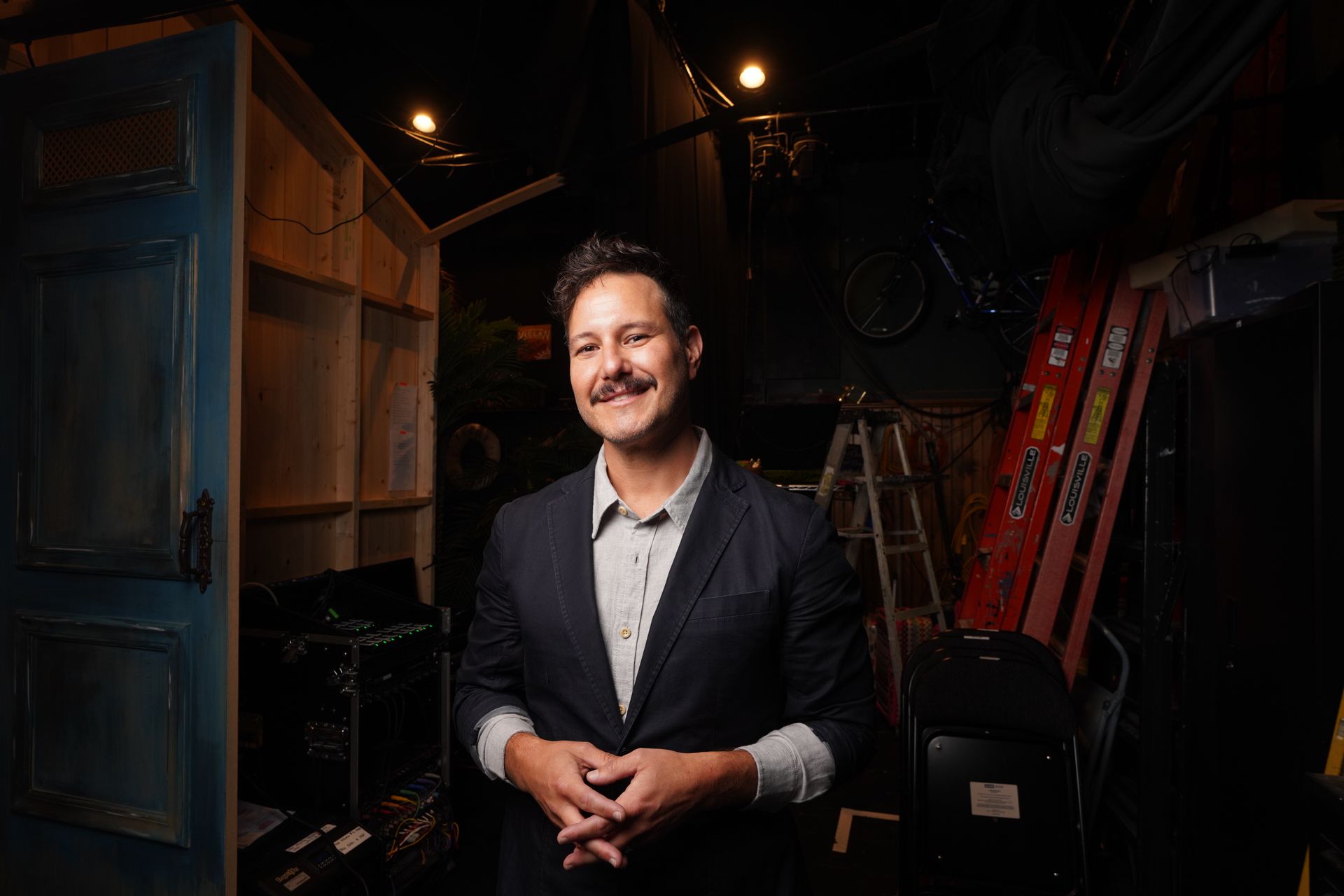
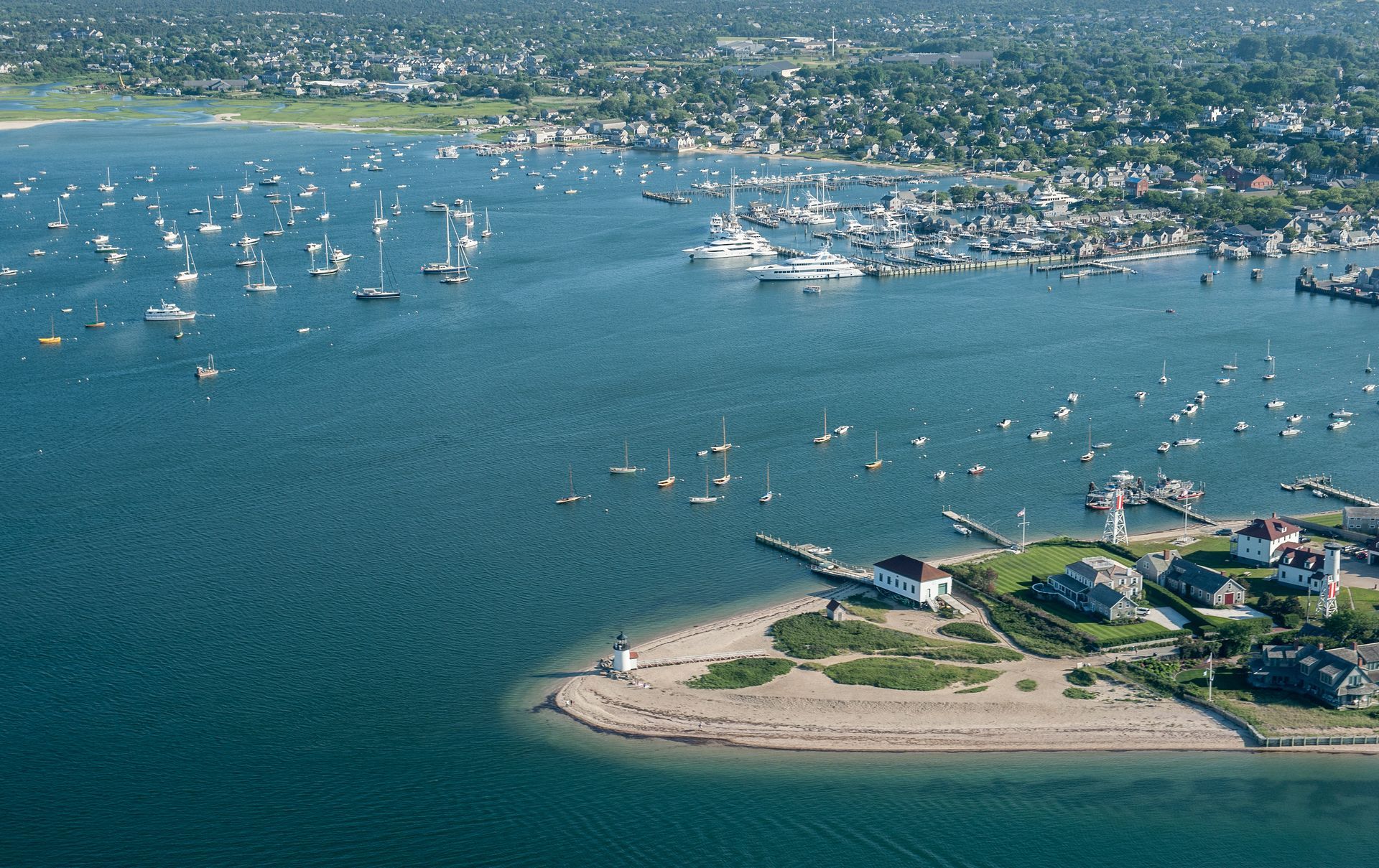
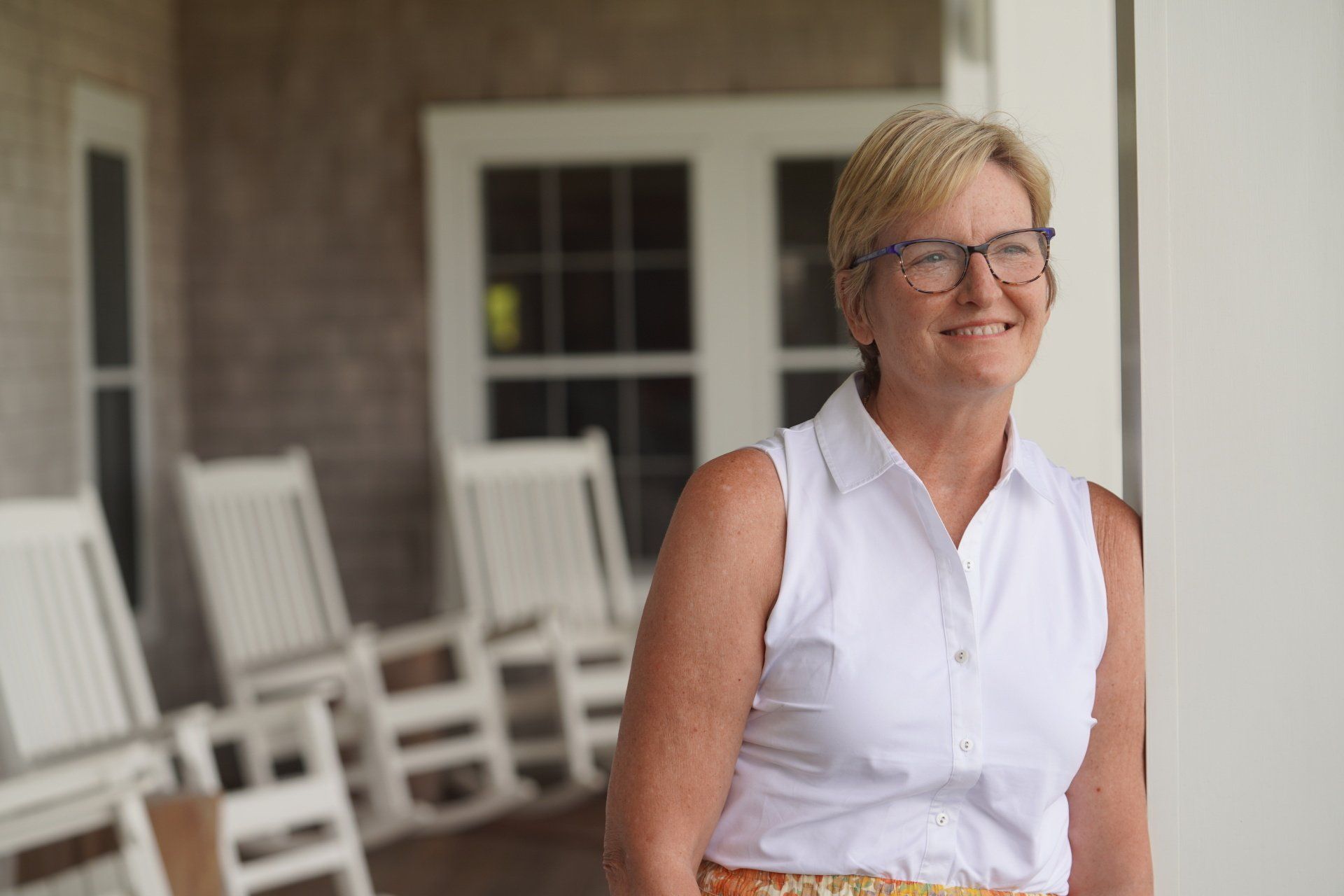
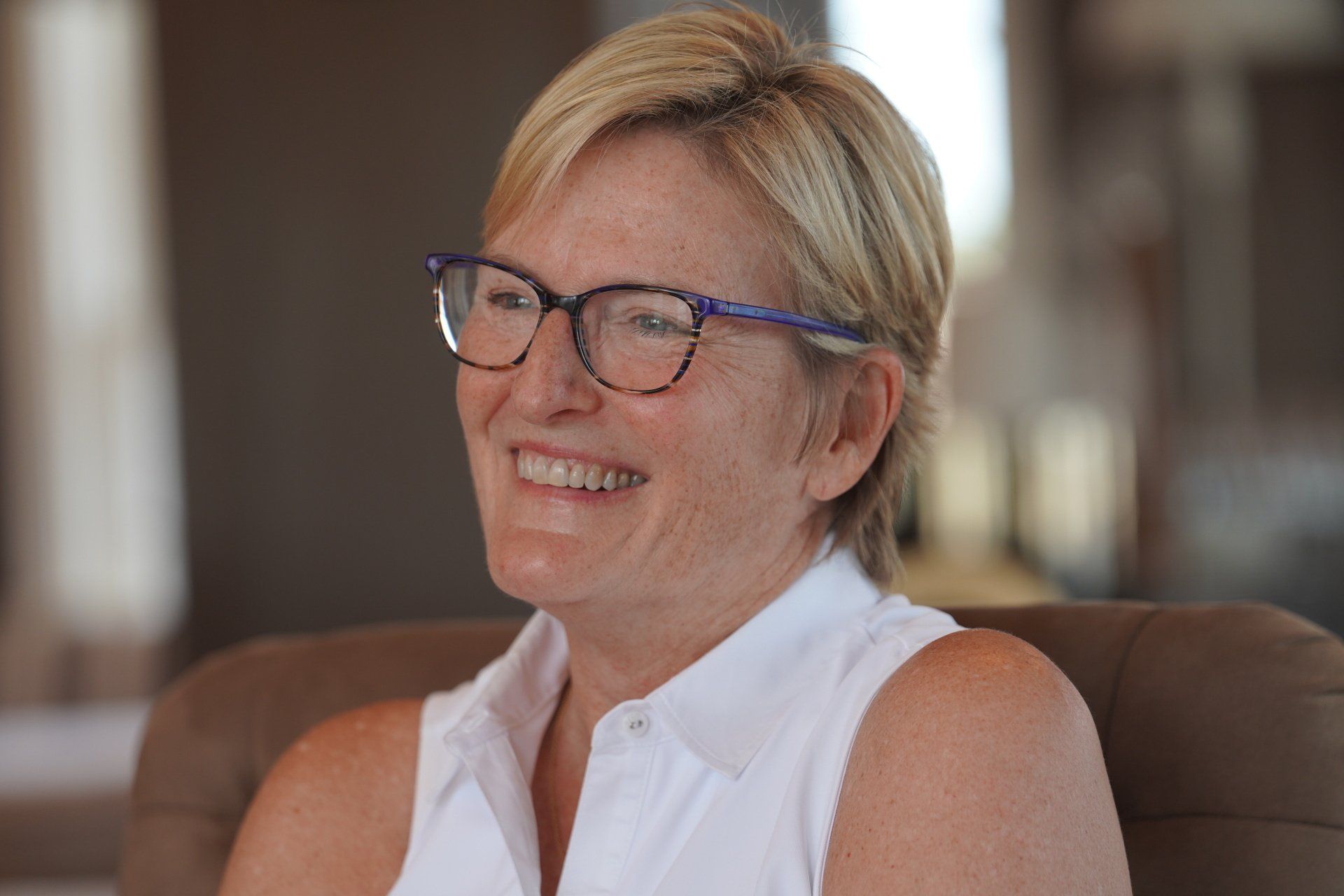
Kate Hentz is the daughter of automotive legend Lee Iacocca and a longtime summer resident of Nantucket. Hentz spent her childhood surrounded by the world of cars and the colorful people with whom her father interacted. Unlike the well-documented persona of Henry Ford under whom he worked, Iacocca possessed a warmth and honesty that made him both an exceptional father and a global business leader.
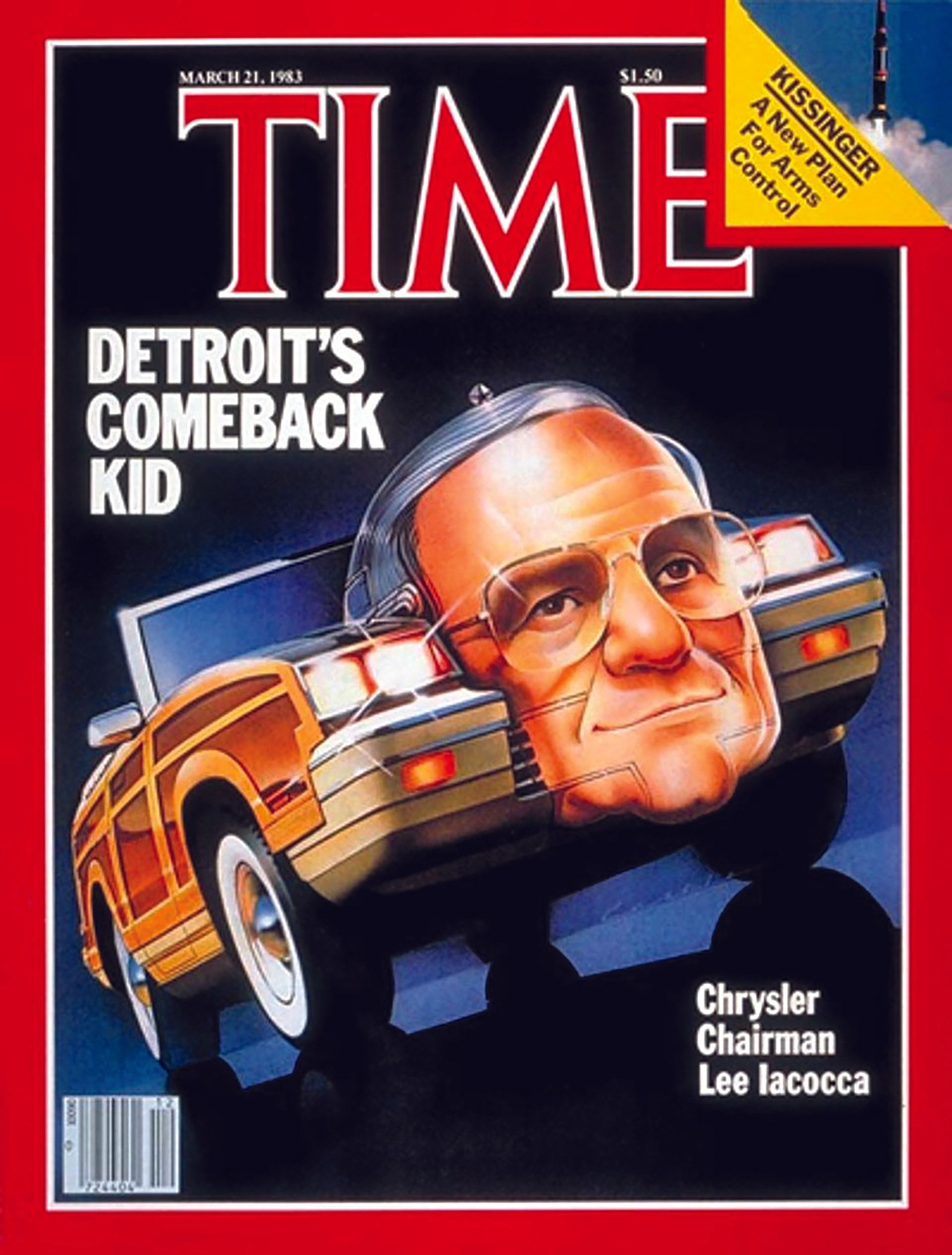
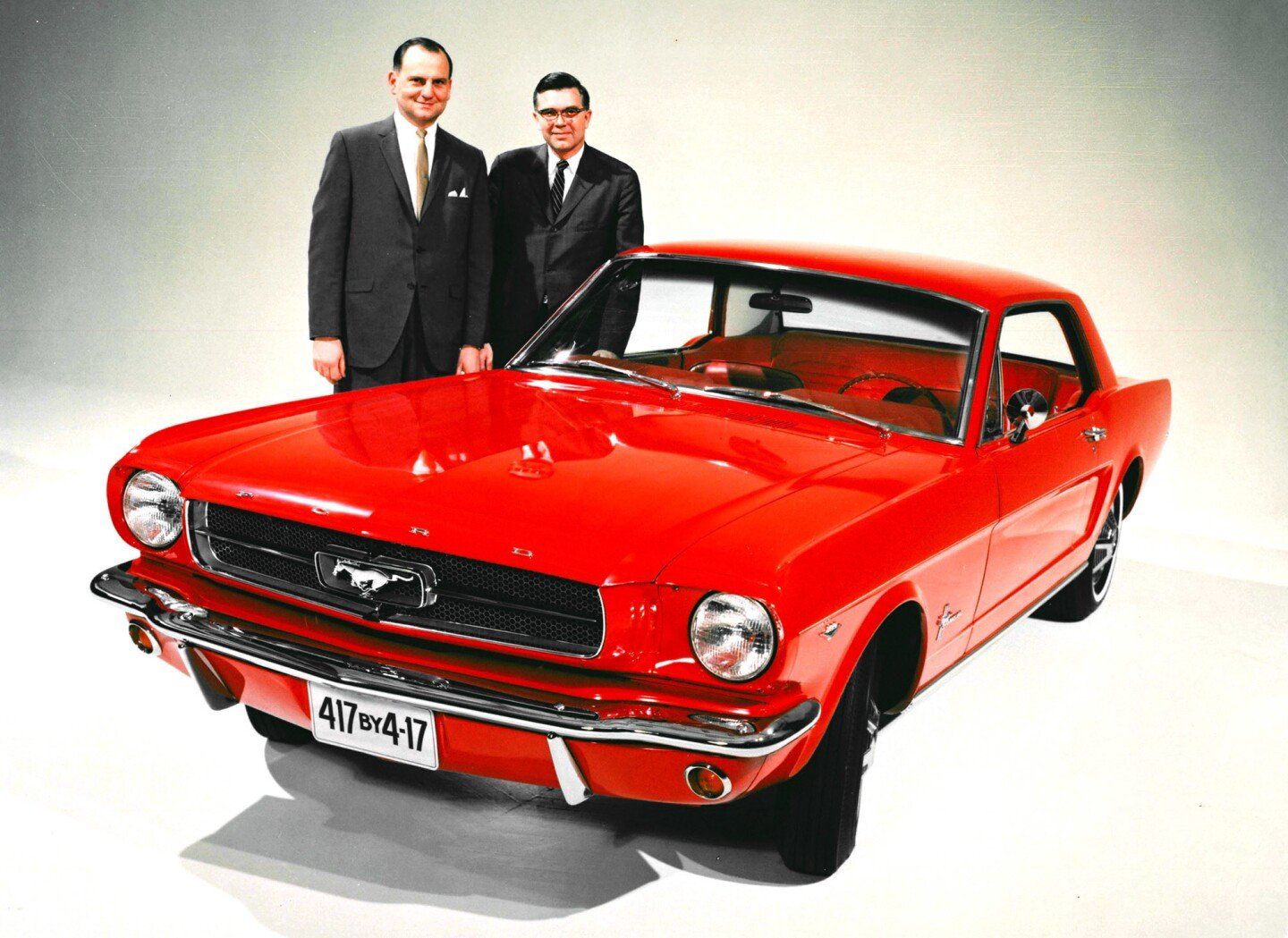
Born to immigrant parents from Italy, Lee Iacocca was brought up in Allentown, Pennsylvania, and became one of the most important figures in automotive history through his creation of the Ford Mustang and his turnaround of Chrysler Corporation. His first wife Mary died at a young age from complications of diabetes, which has inspired Hentz to direct the Iacocca Family Foundation to help find a cure for the disease. N Magazine sat down with Kate Hentz who shared with us her perspectives on her life and that of her father.
Explain the automotive culture in your home when you were a kid. Did it seem like a job?
No, it was fun. Really fun. It was normal to me, but when I think of some of the opportunities and things that I did, not everybody was doing that. There was always a new car in the driveway. I have never owned a car personally because—this sounds terrible—but I get bored with my cars. I was used to different cars all the time.
What was your earliest remembrance of the fact that you were living in a car world at a very high level?
When I was little, must have been three or four, my dad had somebody make an electric car, a little T-Bird. I would drive around in that. And I think there was some connection to “cardom” because those little electric cars for kids didn’t exist then. As far as bringing us into it, I was lucky being the older one because he had some opportunities to have prototypes from Italy, and I got to drive them. So that was fun. We were excited about the car business and what he was doing.
Talk about some of the people that would show up at your house.
Carroll Shelby [the renowned automotive designer and racecar legend] would pop in. He was one of those people that just would be everywhere. He was always in our lives. Many years later, Shelby came one night to Dad’s house. Shelby must have been ninety or eighty-something at the time. My dad asked, “Shelby, where’s your car? How did you get here?” And Shelby said, “My car’s out front.” And it was a Ford Escort or something with a vacuum cleaner in the back. “That’s your car?” my dad asked. And Shelby said, “It’s just a car.”
What unique skill sets did your father have? He ran two major car companies, and took one of them out of near bankruptcy and saved it. What was his gift?
One of his gifts was getting people to really rally behind him and work with him and for him. They trusted him. They believed in him. And he was straightforward and honest. I mean, he said it like it was. He wasn’t messing around or going to play games or manipulate anybody. He touched lives. He was always a people person, which is interesting, because when he was younger, he was kind of quiet and shy and reading all the time. But I think it was who he was. He just would connect with people and was a giver in that way.
Where did he get his unique drive?
He was a first generation American whose mother and father had a fifth-grade education in Italy. I believe he knew from a very young age the opportunity he had as an American. He knew he had to work hard and make them proud... boy did he. He also had his parents' example of owning a restaurant in Allentown, working night and day. He and his sister Delma did their homework at the restaurant, which unfortunately, they lost in the Depression—this did not stop his dad. His father later owned a movie theater, then went into real estate and was responsible for building houses and developing much of Allentown.
Was your father passionate about profits for these companies or passionate about cars—or was it one and the same?
It was one and the same. He just fell in love with cars. But he was always trying to figure out how to make it right and make it profitable. When they had to cut people, that’s when he took a dollar-a-year salary, which nobody had ever done.
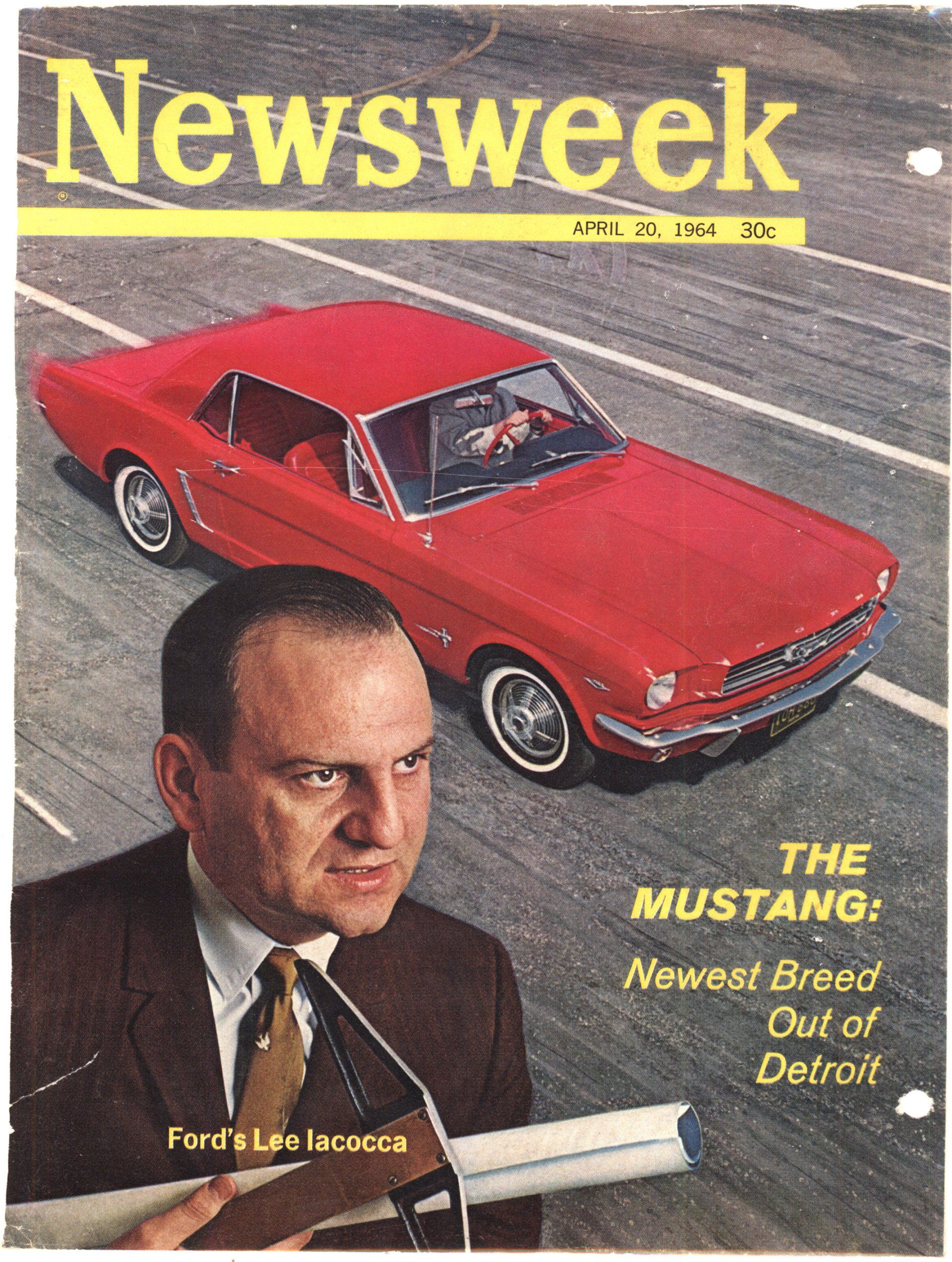
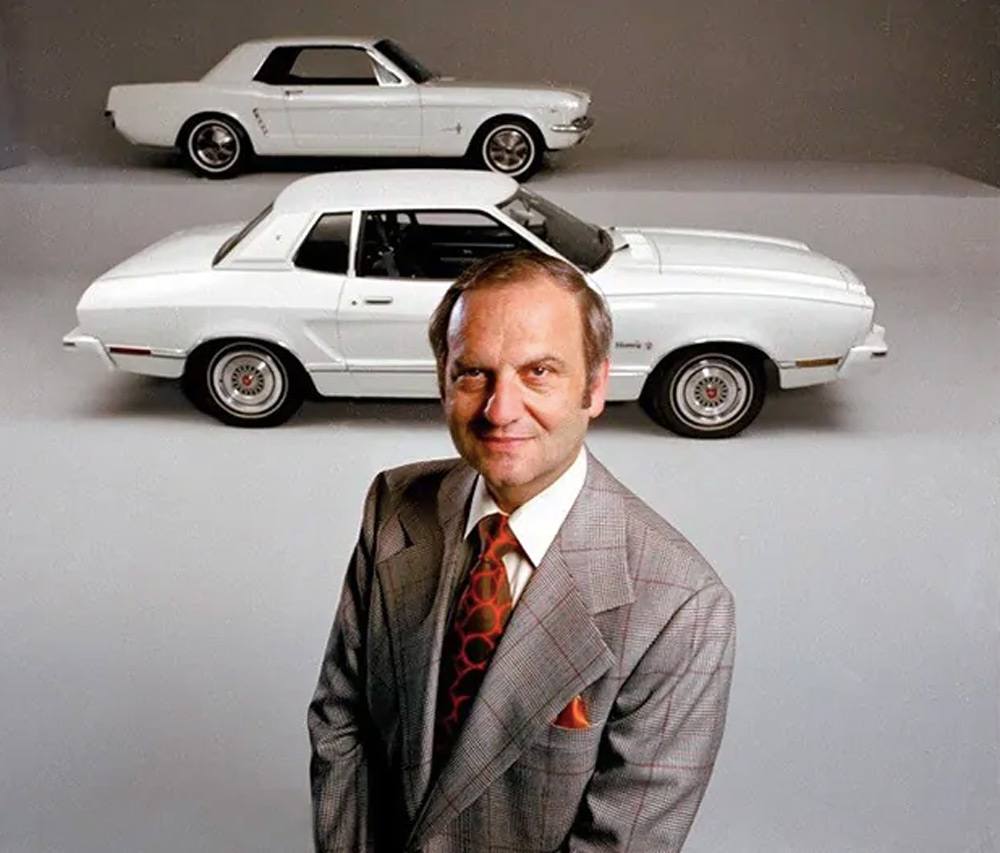
The Mustang was, and still is, one of the most successful cars ever produced on the planet. Did you get a sense of the thought process before it came out?
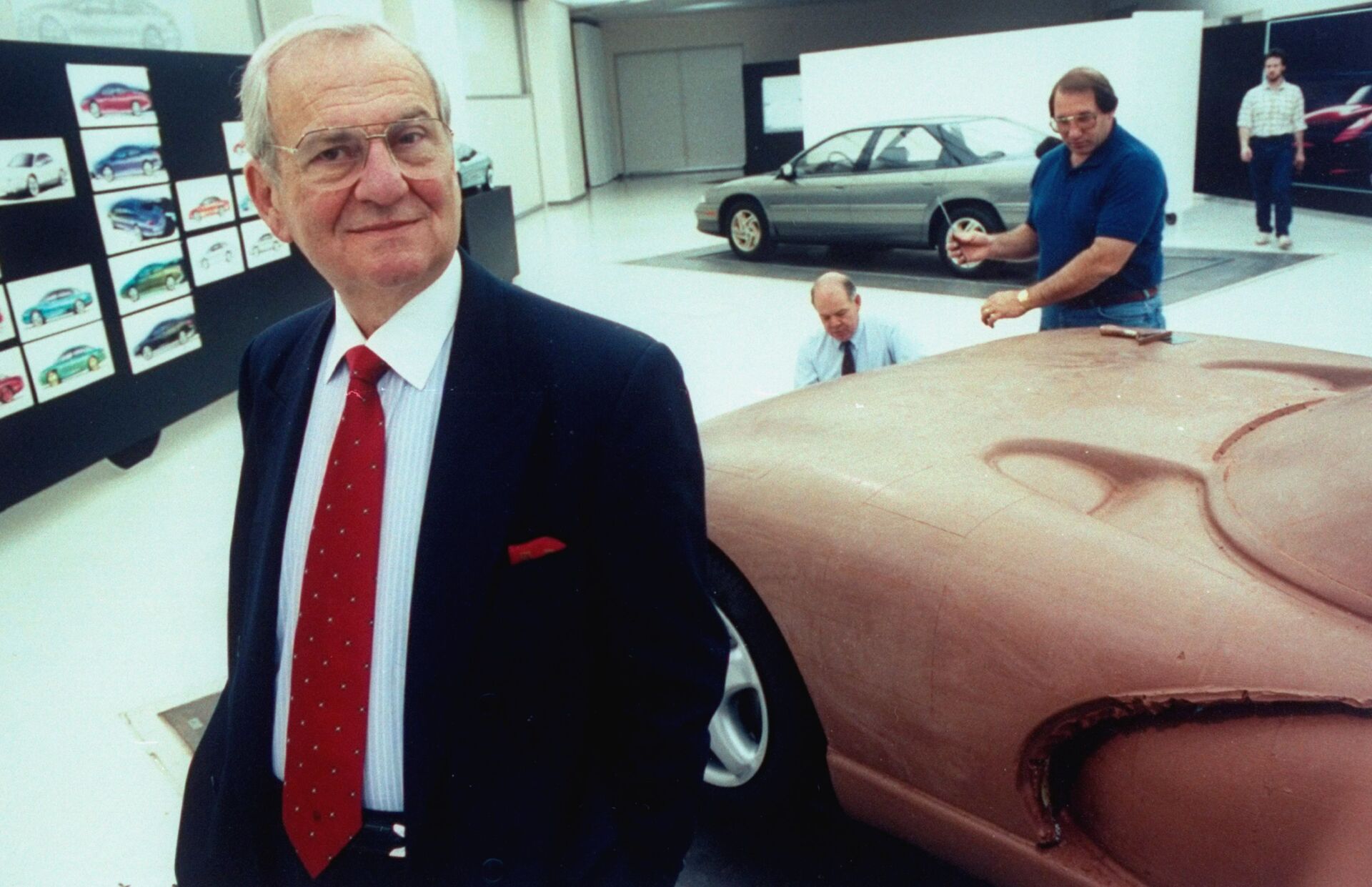
He was always involved because I was with him sometimes when he’d go in with the designers and change things in the clay and all that. He somehow had a really good sense of how cars should look, interior combinations and the like.
In the film Ford v Ferrari, Henry Ford II is not portrayed in a very flattering way. What was your father’s relationship with him like?
He was pretty tough. Obviously after he fired my father, Dad didn’t feel really keen on him. But I think there was always a feeling, and not to be disrespectful to Henry Ford in any way, that my dad was doing too much and he wasn’t going to be chairman.
Let’s talk about the transition from Ford to Chrysler. Your dad was fired. Spite can be an effective motivator. Did that play into his motivation for taking on this herculean task?
Not outwardly, but he was one of those guys. When he was fifteen, he got rheumatic fever. And back then, they put splints with spearmint, mint and birch bark on your legs. He was literally in bed for a year. His cousin brought him all his schoolwork and he got straight A’s. The Depression and all these other challenges that he went through in his life—he just had grit. And he was competitive.
He takes over Chrysler, which is on the verge of bankruptcy, with a horrific product line, and he comes in and turns it around. How?
He takes over Chrysler, which is on the verge of bankruptcy, with a horrific product line, and he comes in and turns it around. How?
Your father went to the federal government in an unprecedented request to ask for a bailout, and it was very controversial. People were arguing to let Chrysler die and the free enterprise system should not be tampered with. How did he convince the government to have faith in the fact that they would get their money back?
He never called it a bailout. He went for a loan and then paid it back early. I think he convinced them by talking about the workers. All the guys on the line, all the women on the line, all those people were depending on him. He really wanted to save their jobs and I’m sure that’s what he impressed upon them.
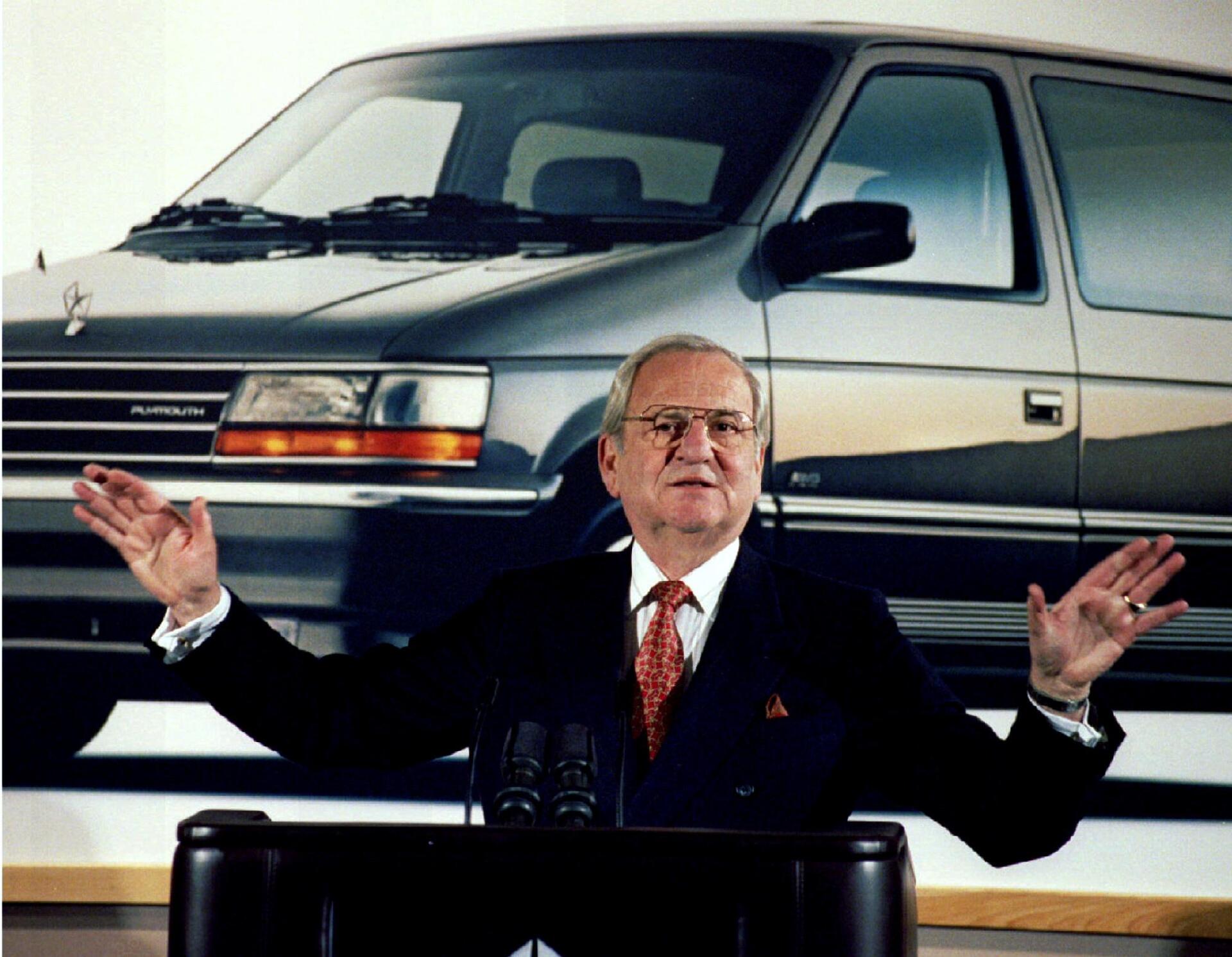
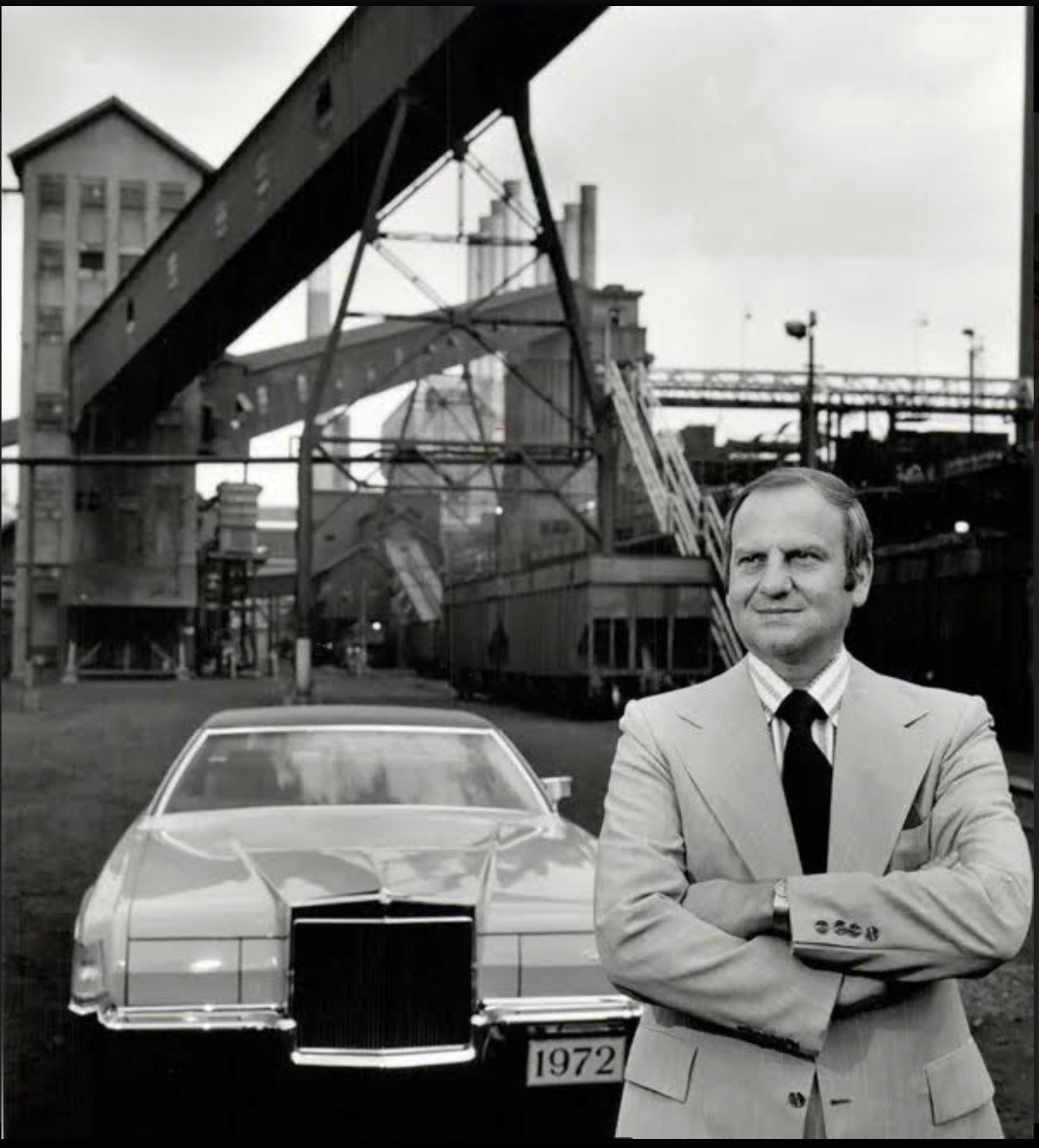
Did you ever walk into a factory with a lot of employees with your dad?
It gave me chills. People were so thankful. I still have people randomly who I meet who will say, “Oh my gosh, your dad changed my life.” Or “Your dad saved my dad’s job or his dealership.” They don’t just say that to be nice. That’s one of my big life takeaways from my dad: He was the same with the president of the United States as he was with the mail guy at Ford or Chrysler.
What part of your dad are you?
There was so much love in our family. That’s one thing I can say. He came to every grandparents’ day of all my kids. Every six weeks he came to visit us. He grew up with my kids and our kids grew up with him. I think it’s the love. I think it’s the Italian-ness and being together with family. He really had fun and I’m trying to carry that forward as well. Work hard but have some fun.
Speaking of working hard, there are many examples of the American dream, and your father was certainly one of them. He came from an immigrant family and became an American business icon. If he were around today, what would be his thoughts on where America is today?
First of all, he’d be very sad. One of our daughters was in New York and took this magnificent picture of the Statue of Liberty, and I automatically think of Dad because of all the raising of money he did for Ellis Island. He would be saddened by all that is happening in our country and the world, but he would always have hope. He never lost that no matter what he went through. We are similar in that way.
Latest Stories