IN THE LINE OF FIRE
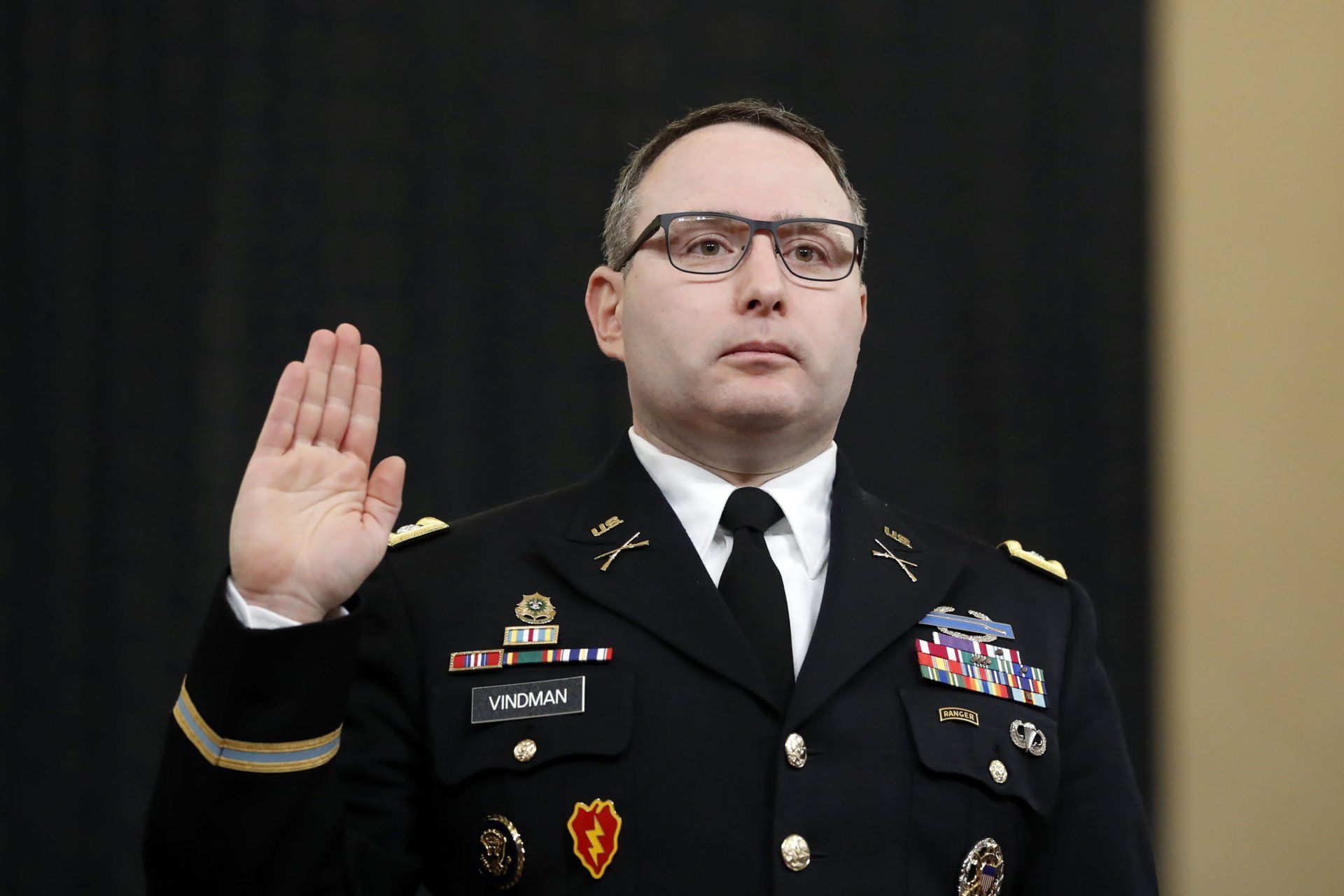
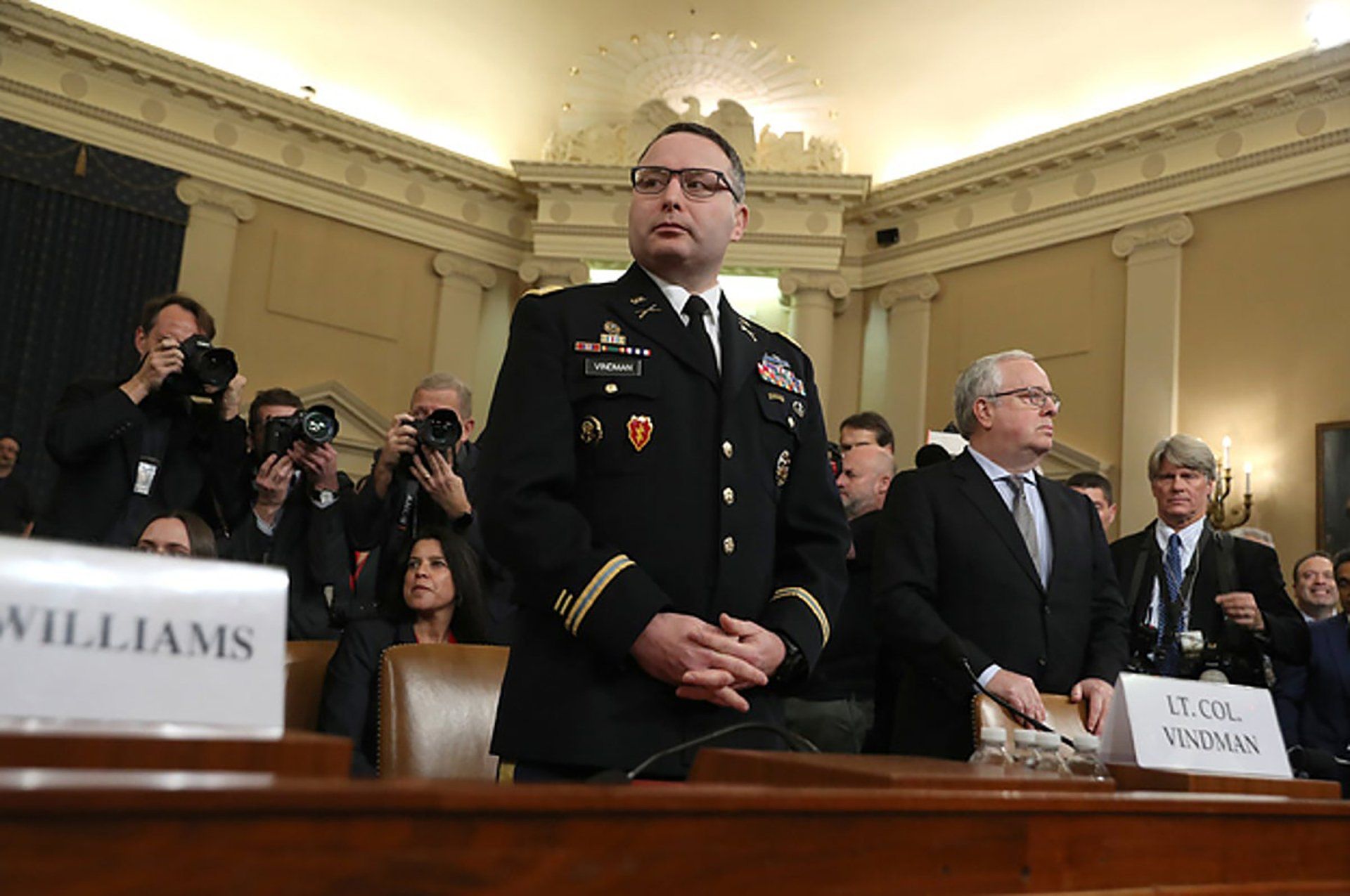
Retired United States Army Lieutenant Colonel Alexander Vindman.
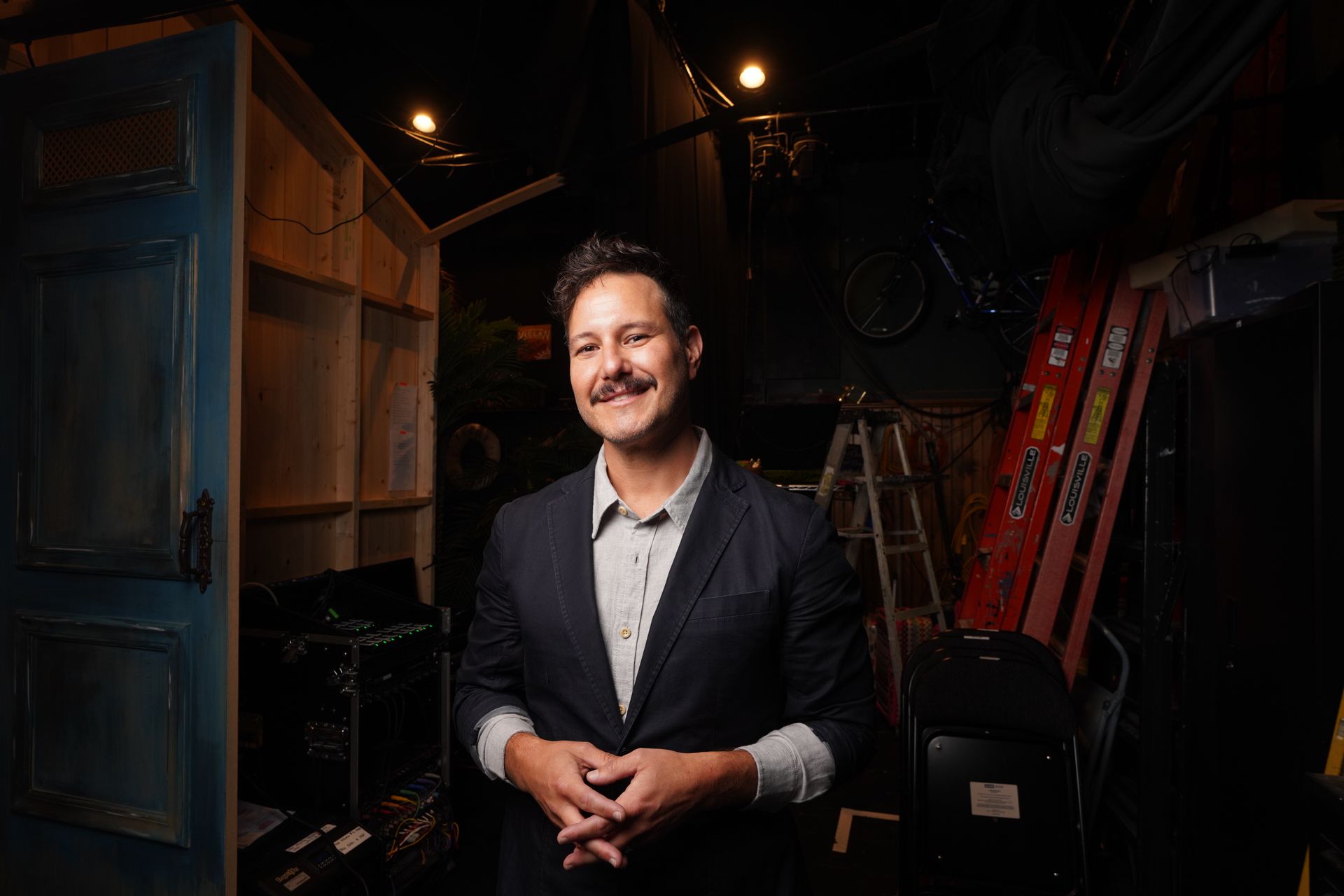
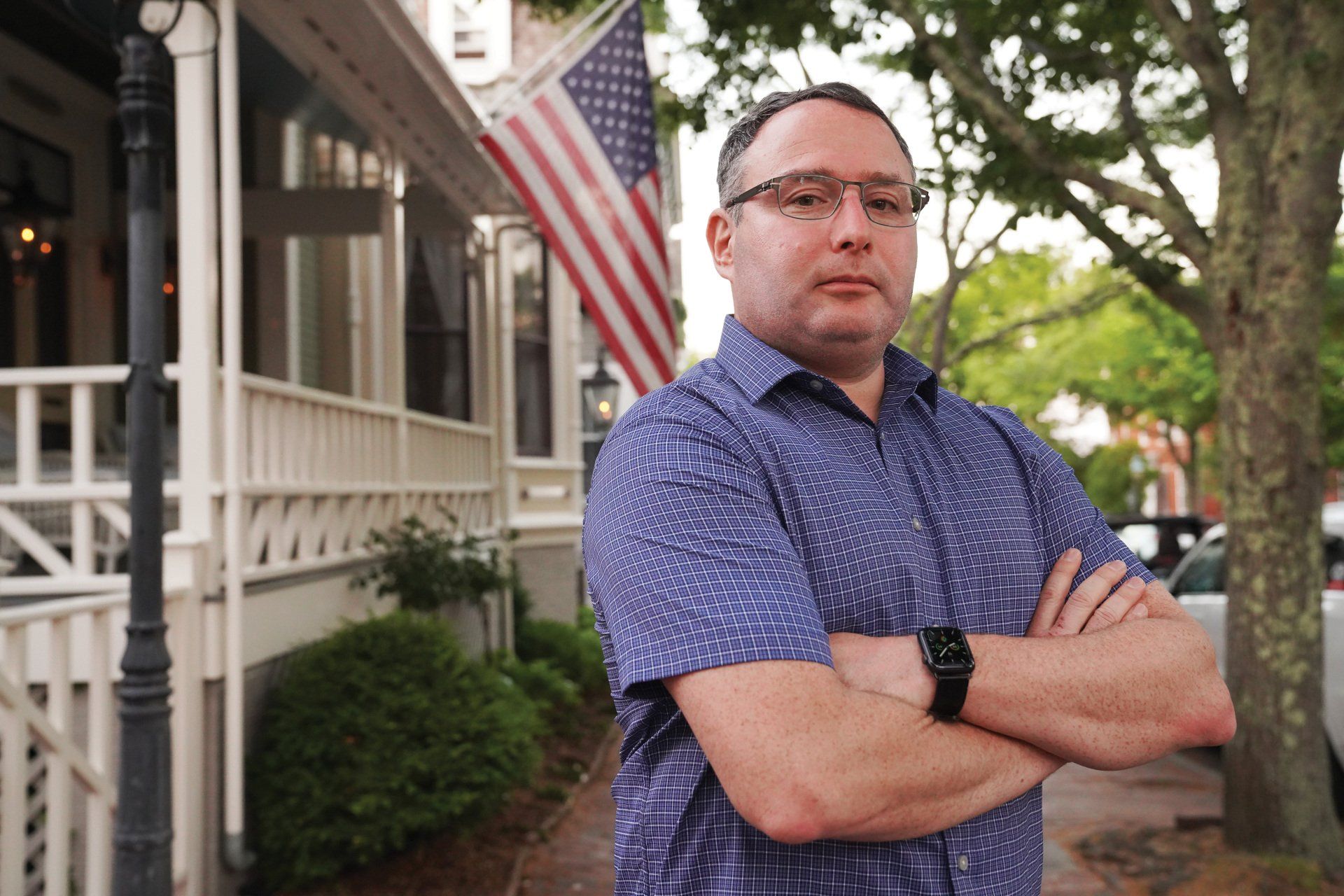
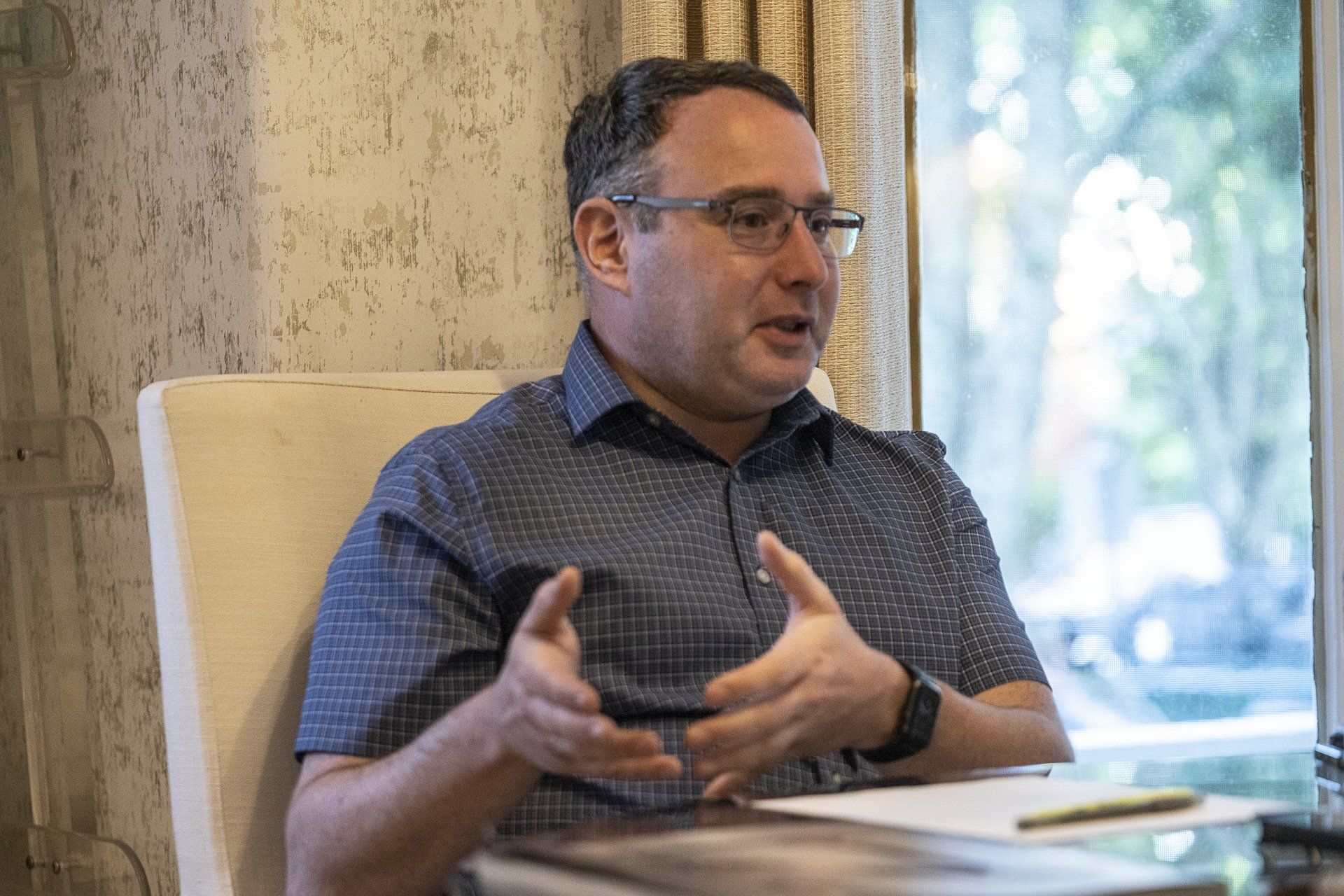
Alexander Vindman is a retired United States Army lieutenant colonel who was formerly the director for European Affairs at the United States National Security Council. Vindman drew national attention when he testified before Congress regarding the Trump-Ukraine scandal. His testimony provided evidence of abuse of power in the impeachment of former President Trump. Having served twenty-one years in the military and been awarded the Purple Heart, Vindman cited Trump’s vengeful behavior during his testimony and has become a target of Trump loyalists. N Magazine sat down with Vindman while he was visiting Nantucket to discuss both his experience in the administration and his view of various hot spots around the world.
Can you describe how you and your family came to the United States?
It might be the quintessential immigrant story, the kind of immigrant story that brought millions of people from all across the world to the U.S., with a promise of hard work and success somewhere along the road. My family came over when I was three years old. My mother had just passed away from cancer, which is one of the driving forces behind my father choosing to leave and seek medical treatment here. But he also was forty-seven years old, had lived in the Soviet Union for a long time and understood the enormous corruption within the system. We came here as refugees in 1979. I grew up in New York City in Brooklyn. A city kid. And then went off and joined the military.
Could you explain your active duty?
I was commissioned in December ’98, just several years before the war. My first assignment was to Korea. At that point in time, it was the most forward-placed unit in the world, in terms of harm’s way. But that was just before the wars. After September 11th, I was destined to eventually make it to a combat zone. I served with the First Brigade 25th Infantry Division. This is the wheeled vehicles, the strikers, that have been in the press, relatively often. And I served there as a staff officer and then eventually in Iraq.
Did you see combat?
My battalion of about six hundred people were the Reserve. We were committed to the big fight in Fallujah, Phantom Fury, in November 2004. And it was there that I was wounded while conducting a reconnaissance mission, getting ready to take over this battle space for the Marines, so that they could participate in the assault on the city. I was fortunate. I took some shrapnel to my shoulder and my leg, some which I still carry to this day.
How did that impact you?
I recognized in those moments in action that I had developed a keen sense of focus, and I could tune out everything that was extraneous and focus in on the battlefield. It was one of those things I drew on throughout the course of my career. Certainly, when I was directed to testify in front of Congress, that was important because it gave me unique perspective. There were other more acute dangers out there than testifying in front of Congress and losing my job.
Explain what happened that put you in front of a Senate committee and ultimately in direct conflict with President Trump?
I was invited during the National Security Council by [National Security Advisor] H.R. McMaster’s staff. H.R. McMaster led an effort to put together something called the national security strategy. I had a hand in shaping the national security strategy...I was entering the Trump White House, and this was not a typical White House. I’d been warned by a senior general that this was the most perilous environment that I’d ever operated in. And this was somebody that had multiple deployments to a combat zone. He’d made it a point to warn me that this is far more perilous and I just needed to be alert. But I understood that I had a unique series of experiences, and I had a unique opportunity to contribute to U.S. national security.
Did the president support that strategy that you helped develop?
The president supported it on paper. Whether he actually read the document, who knows? Because it was widely considered that he didn’t really read any of the materials that were put in front of him. The president was disinterested in national security. He had his unique relationship that he was cultivating with Vladimir Putin. It’s hard to say whether he was looking to ingratiate himself, but he admired Vladimir Putin and the way Vladimir Putin wielded power. So that was already going to be a challenge in terms of advancing this whole idea about managing Russia as a belligerent, aggressive state.
Where did things go awry?
As we got into the campaign swing through the summer of 2019, that’s where the policy started completely getting real. It had nothing to do with national security. It became all about tipping the scales in President Trump’s favor to steal an election. We, within the White House, recognize this unfolding, but we’re apolitical. National Security Council is driven by national security interests, not by political interests. But more and more it started to impact the policies with regards to Russia and Ukraine. I watched this unfold through really the beginning of 2019.
In what ways?
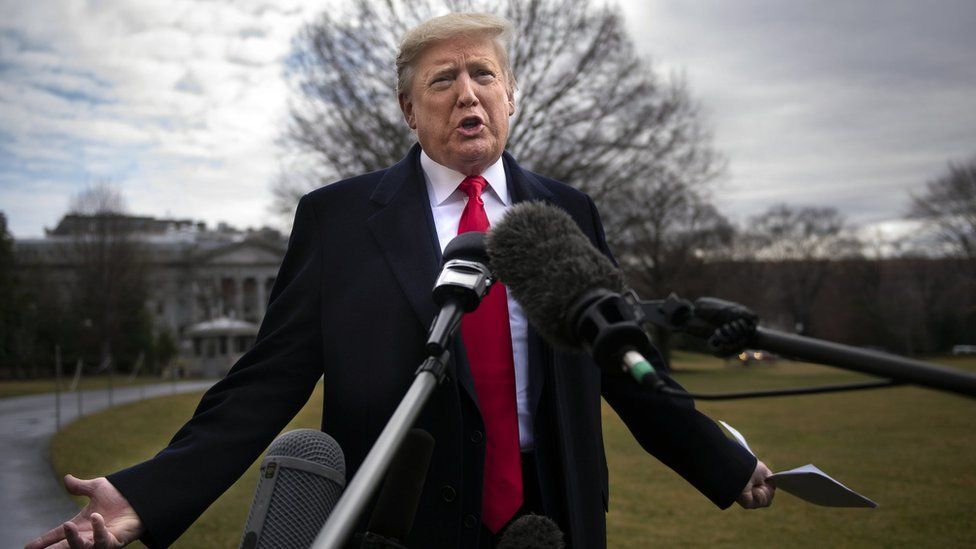
Masha Yovanovitch, the ambassador [to Ukraine], was removed for no good reason. And mainly because at some point, Donald Trump Jr. decided to tweet about her and say that she was an enemy of Donald Trump. It’s a completely false claim, but it was enough to get her fired. Secretary Pompeo and the rest of the senior State Department officials were not prepared to risk their own standing to defend this career ambassador, that served decades to protect and advance U.S. national security interests. I watched this slow-moving train wreck unfold.
Much of this train wreck eventually centers on a phone call between President Trump and President Zelenskyy.
In that phone call, President Zelenskyy had been coached to get to yes on giving President Trump his investigation into the Bidens. President Zelenskyy was very savvy, charismatic. A comedian, he knows how to play to an audience. He was working around giving President Trump a skewed, tilted type of investigation. He was saying, “Well, if you give us the evidence, we’ll be happy to run a transparent, free investigation, happy to work with your justice department.” President Trump is not a particularly sophisticated actor. He thought that other side was basically also talking in the kind of code that he talks about, where he tries to avoid implicating himself. So he was happy after President Zelenskyy said he’s prepared to conduct an investigation. The president was sounding very dour, very reluctant. He was talking about how the U.S. had been such a good friend to Ukraine and Ukraine was not a good friend to Trump. Eventually, when President Zelenskyy said, “We’d like to acquire some more Javelins,” President Trump said, “I’d like you to do us a favor though.”
What did you do after the call?
After that phone call, I immediately reported it because I sensed enormous perils to U.S. national security. If this scheme became public, it would destroy the relationship with Ukraine, which would make Ukraine vulnerable to Russian attack. I also sensed the danger to somebody cheating to steal an election. Part of the whole idea of our democracy is the peaceful transition to power. Fair, free elections and then peaceful transition to power. Both of those were in danger.
When you testified against Trump, what was the impact of your testimony personally?
The night before I testified, my opening statement hit The New York Times, and I immediately became the target of character assassinations. Part of the reason that I have a lawsuit against Trump is because it was orchestrated. It was a conspiracy to vilify me, to attack a government official in the conduct of duties. The president has the bully pulpit, has that megaphone. When he points his ire at somebody, you’re going to take heat. It resulted in me becoming radioactive and toxic within the military, and not being able to continue because I’d been dragged into the public eye. So all this burned my ability to continue. But I had sworn an oath to defend the Constitution. I’d spent twenty years in service. That was a moment that it particularly mattered for me to live up to my obligations. And that’s what I decided to do.
Were you surprised by Zelenskyy’s evolution from comedian to what he has become?
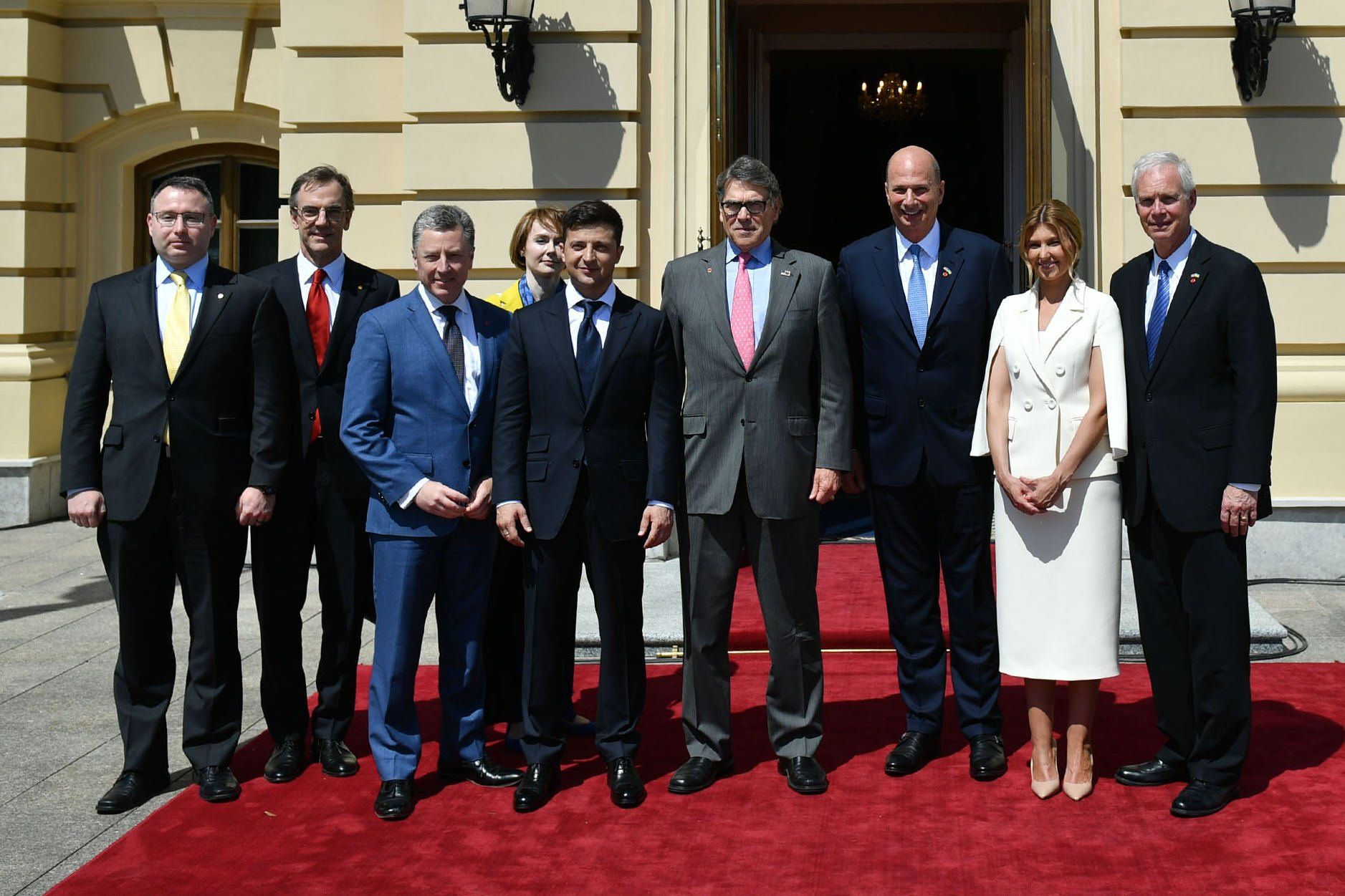
I met him only a couple times. I detected that deep sense of earnestness that he wanted to do things for his country. But I also spent a lot of time around his cabinet and I heard some really misguided, wishful thinking about what they thought they could accomplish with Russia. That they could get the Russians to settle to peace. He was not the most popular president before this war started. He did not achieve all of those reforms and all those anti-corruption measures. And in his first three years of office, he saw a decline in support. He couldn’t do it on his own. But when it really counted, he was like, “don’t give me a ride, give me ammunition.” That’s who he was. He’s risen to the occasion. And all those things don’t automatically disappear after this war is eventually all said and done.
Kissinger told Zelenskyy to find a way to compromise, so you don’t destroy the whole country. Is he overplaying his hand?
I think Henry Kissinger is a brilliant man, but I don’t think Henry Kissinger fully understands what’s going on in Ukraine. Time is not on Russia’s side, certainly from a military perspective. The longer that Russia conducts this campaign, the more it burns through its combat power, its men, its material. Russia could attempt to try to do a general mobilization, which would be disastrous and potentially jeopardize Putin’s regime. But in reality, I think Russia is on the cusp of being a spent force.
Do you sense Putin is on his way out from a health standpoint?
I served in Moscow from 2012 to 2015, and there probably were at least a half dozen times where there would be rumors about his severe ailments. And because of that, I tend to be a skeptic. I think it’s wishful thinking to think that somehow he’ll be struck down and we’ll have less threats. In fact, even if he were to depart, it is almost certain that somebody from his inner circle would be there to take his place, and these are like-minded individuals.
What’s the best-case scenario?
I think the best thing that could possibly ever happen to Russia is a strategic defeat in Ukraine. A defeat that punctures Russia’s views of itself as an empire entitled to these regions. In that kind of defeat, Russia becomes more introspective. Russia focuses on things that would enable prosperity in the long run, which would be tamping down on corruption, conducting reforms. That is what’s best. And that could open the doorway to some sort of democracy. It’s a far-off notion for the time being. But the best thing we could do is actually to help Ukraine deliver Russia a strategic defeat.
The world looks at the United States as the beacon of democracy, but we are experiencing a level of division that we have not seen since the Civil War. How do you view that as someone who obviously loves America?
There are other times that we’ve had great perils. The civil rights movement was a time of enormous upheaval and, frankly, enormous violence, domestic violence. I think our leaders, whether that they’re in government, in Congress, or within our communities, should recognize that if we continue down this road where we inflame the passions of the population, we could find ourselves in a civil war, but certainly, a broader civil unrest. And the question is, do people, do leaders pull us back from the brink or do they continue to inflame these types of passions? Political elites continue to put their own personal interests ahead of the national good or the community good.
I have a lot of faith in the American people. I’ve had the privilege of traveling through each of the states in the union meeting a lot of different folks. I felt an enormous amount of support. Nantucket’s been wonderful. I don’t know how many times I’ve been stopped by well-wishers. It’s definitely good for morale to come here. But I think we have good people that are being deceived and misled. And the more we expose this corruption and hold the political elites responsible, the more likely that we actually step back from this dangerous moment. And I see some of that happening. So I tend to be a little bit more optimistic.
Latest Stories