Nantucket’s Jack Forsyth Launches a Surfboard Business
Written by Brian Bushard
Photography by Kit Noble
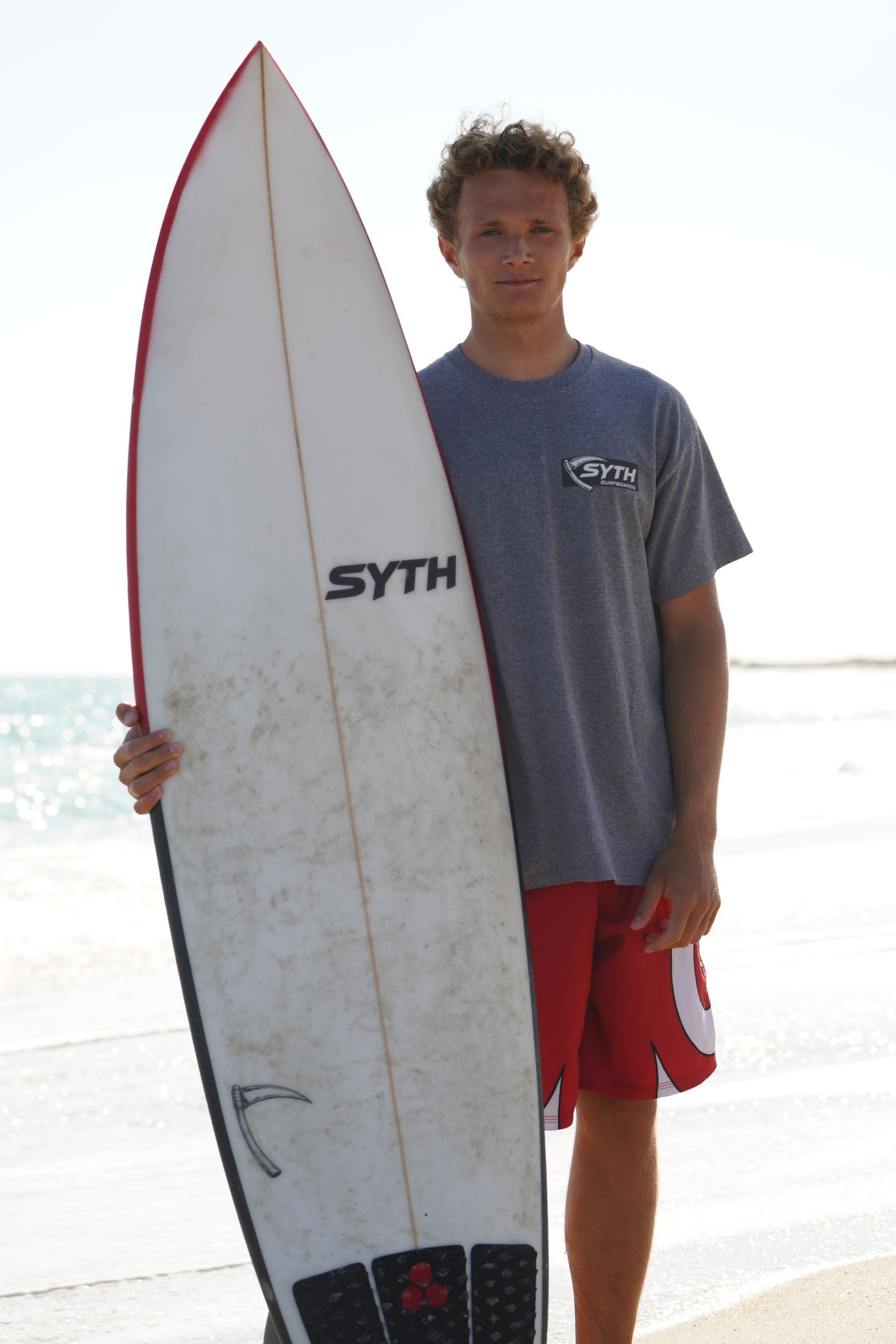
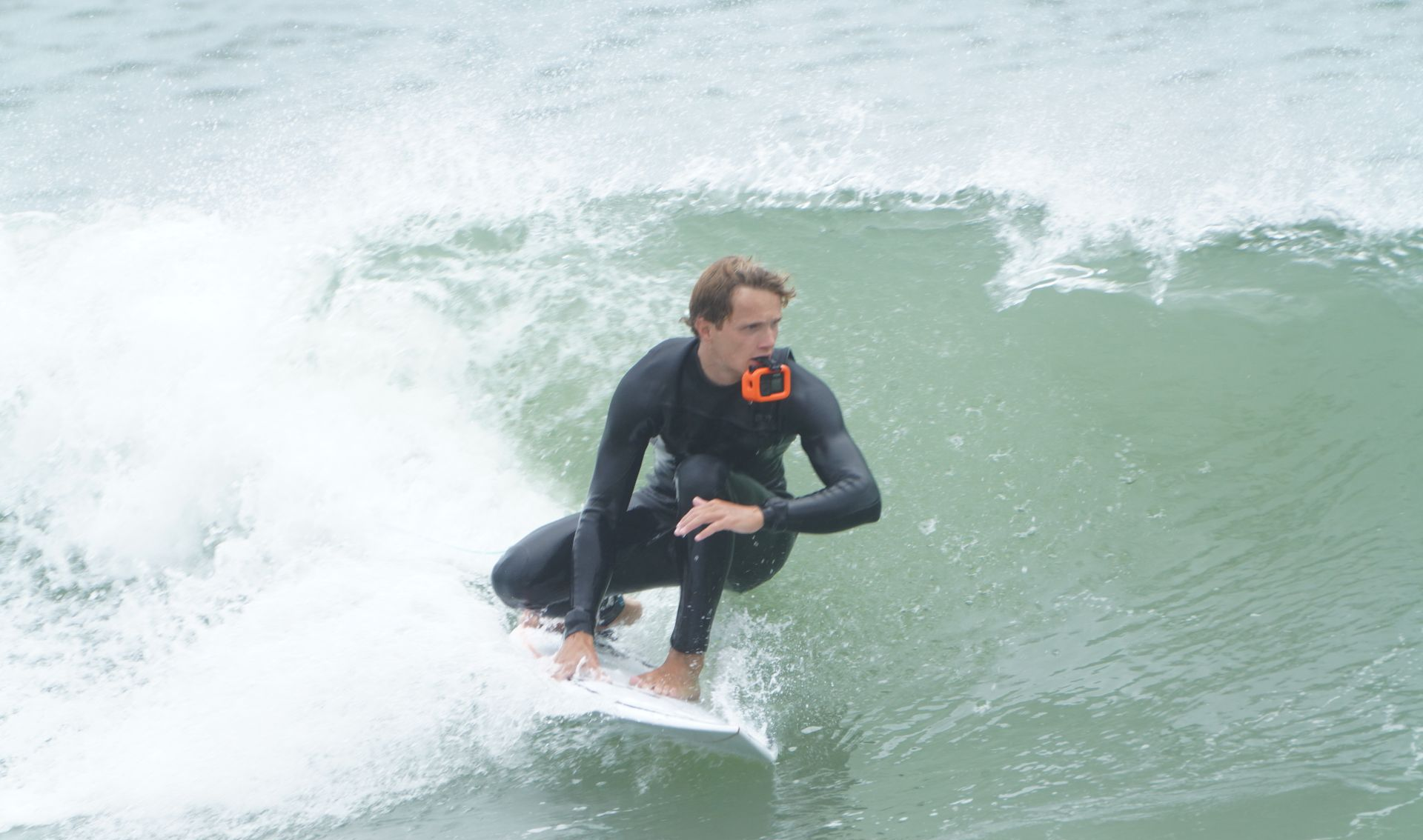
From the shore, he looks like just another young surfer in a black wetsuit floating over the sandbar off Nobadeer Beach. Perched up on his board as one particularly intense summer storm rolls offshore, Jack Forsyth has the patience of a sage boarder who can spend minutes on end waiting for the right wave to catch. But at just 18 years old, Forsyth can make a claim no one else on the water can make. Unlike the dozens of surfers at Nobadeer Beach and the hundreds of other surfers on the island, Forsyth did not ride the wave of buying manufactured surfboards. Instead, he took matters into his own hands, becoming the only custom surfboard maker on Nantucket.
“Surfing makes you really respect the ocean because of the sheer power those swells have,” he said. “Once you explore that, you can really fine-tune your surfing and your boards to match the waves that we have here.” A lifelong surfer and an instructor himself, Forsyth has a laid-back look of a Southern California surfer, fitting the mold with his wavy dirty-blond hair and face full of sunscreen. He can more often than not be found on the water, learning the rhythms of the swells and practicing his timing like a fly fisherman.
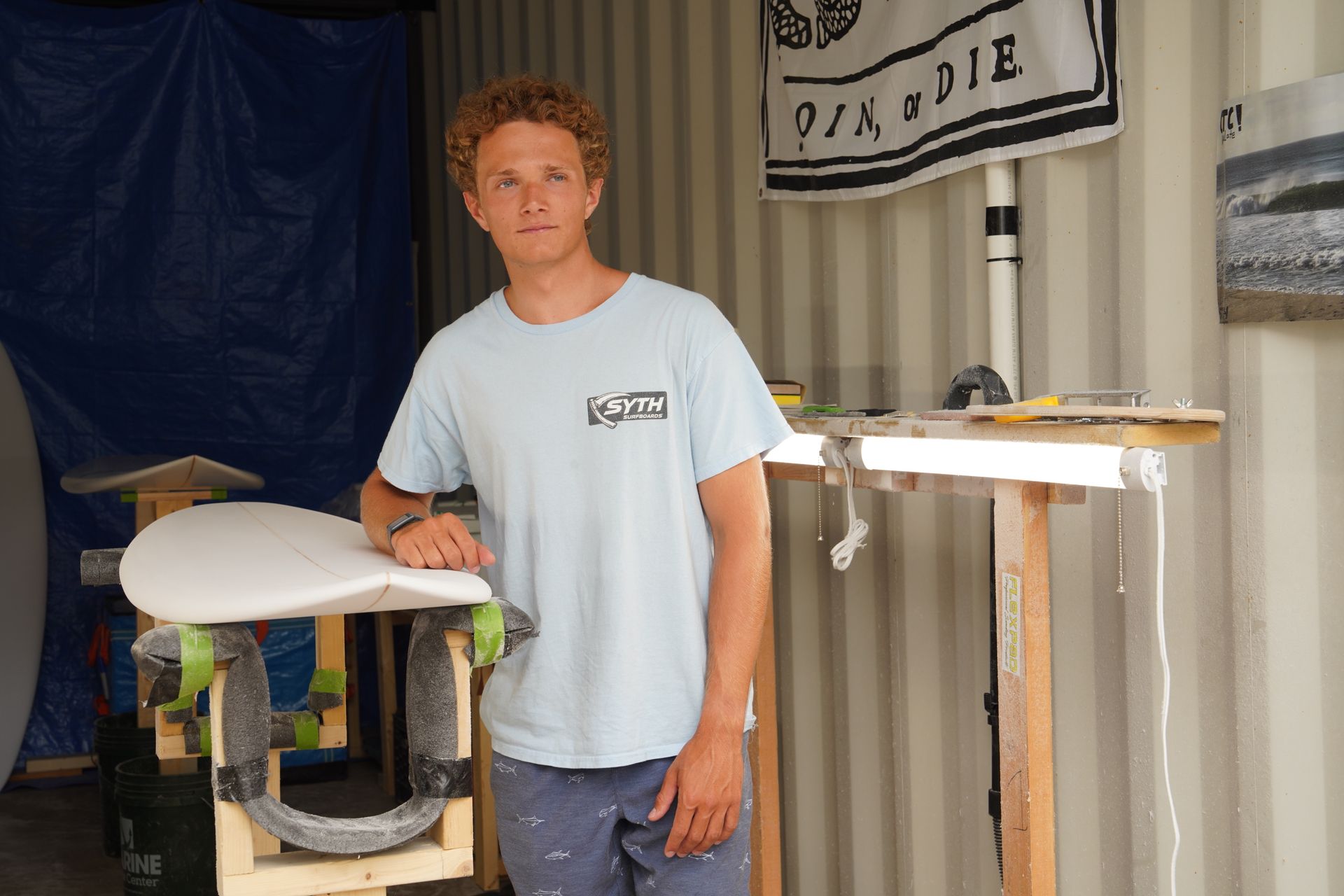
When he’s not on the water, he’s at the shipping container he’s converted into his studio, sanding through a foam surfboard blank to shape a custom board that’s designed for the types of waves Nantucket sees in the summers and winters—two very different styles of surfing, he assures me. “If you go to a shop and buy a board for a significant amount of money and you take that board out, it might be a great board that you love and want to ride all the time, but when you’re riding your own board, you can feel how the board rides in the water, how it turns, how it cuts back and handles big or small waves,” said Forsyth, who entered his freshman year at Southern Methodist University (SMU) in Dallas, Texas, this fall. “Then you can go back and fine-tune the next one to what you want. You get to control your own surfing and advance your skill level.”
While he’s only starting his first semester of college, he speaks like a seasoned veteran in the field. “Having 100% handcrafted, hand made boards is really important for the industry as more and more of the older shapers have either passed away or passed on their craft to their children,” he said. “A lot of the brands have also gone corporate, and unfortunately the quality has also fallen off. ”Surfing, like fishing or hunting, is a waiting game in more ways than one: waiting for the weather to cooperate, waiting for the right wave once you’re on the water.
Over the course of the year, surfers like Forsyth study the waves and the shifting sandbars to know the precise location where they should paddle for the best waves. In surfer lingo, the summer waves on Nantucket are referred to as “mushy,” or slow-moving. They don’t have the steep drops you might see in surfing competitions in Oahu or Nazaré, in Portugal.
“During the summer, I like aboard that has a lot of drive and generates its own speed,” Forsyth said. “The waves here can be quite slow over the summer because they don’t have a strong hurricane-force power behind them.” As a result, his summer boards, called small-wave grovelers, are flatter, with a shorter curve, called a board’s “rocker.” Fall and winter waves, by contrast, require boards that can manage larger drops.
“Having a local shaper in your area is key because if you know your local breaks and how they work and how people like to surf, then I can help people get what they want out of a board,” Forsyth said. “With a brand that’s based on the West Coast, those boards aren’t designed for East Coast waves. They’re designed for California or Hawaii, which is completely different."
"I'm stoked for his energy and his self-determination to get it done,” said Dave Iverson, the former owner of Indian Summer Surf Shop on Broad Street, who helped Forsyth navigate the economics of the surfing industry. “It’s a really tough business. It’s expensive to build surfboards, the margins are small and you really have to be passionate about it, but I’m excited for him.” Indian Summer was sold and now goes by a new name, Broad Street Surf Shop, which carries Forsyth’s boards.
As a surfer, a surfboard maker and a surfing instructor at Gaven Norton’s ACK Surf School, Forsyth spends almost every day on the water during the summer. This fall, however, he’ll be landlocked while studying at SMU. What had been a drive down the street will become a five-hour commute from Dallas to the closest beach on the Gulf of Mexico. As soon as he’s back on Nantucket, Nobadeer will be one of his first stops. “It’s a great escape to be on the water,” Forsyth said.