Returning to Their Roots
A taste of Iran at Lemon Press
Written by Brian Bushard
Photography by Kit Noble
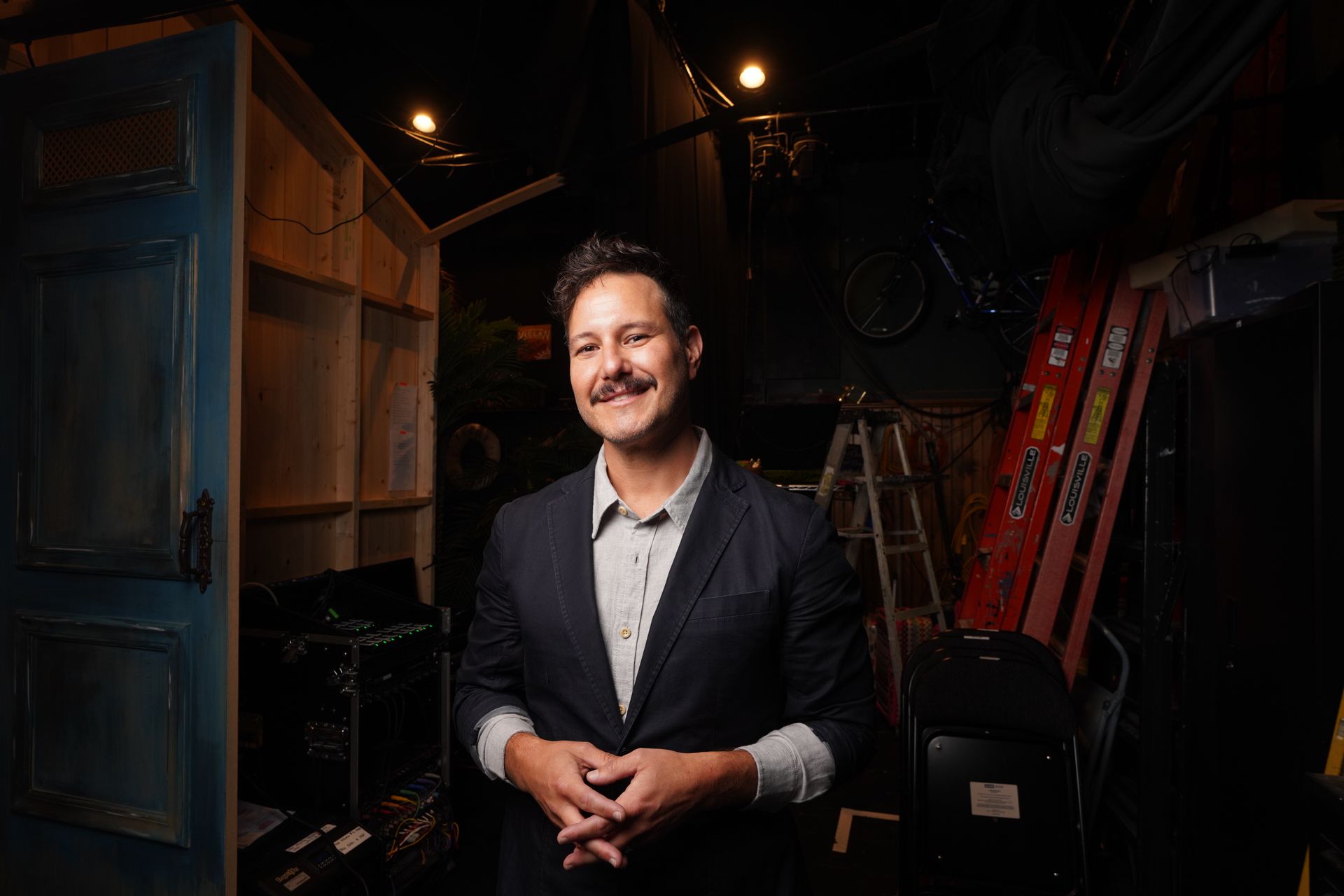
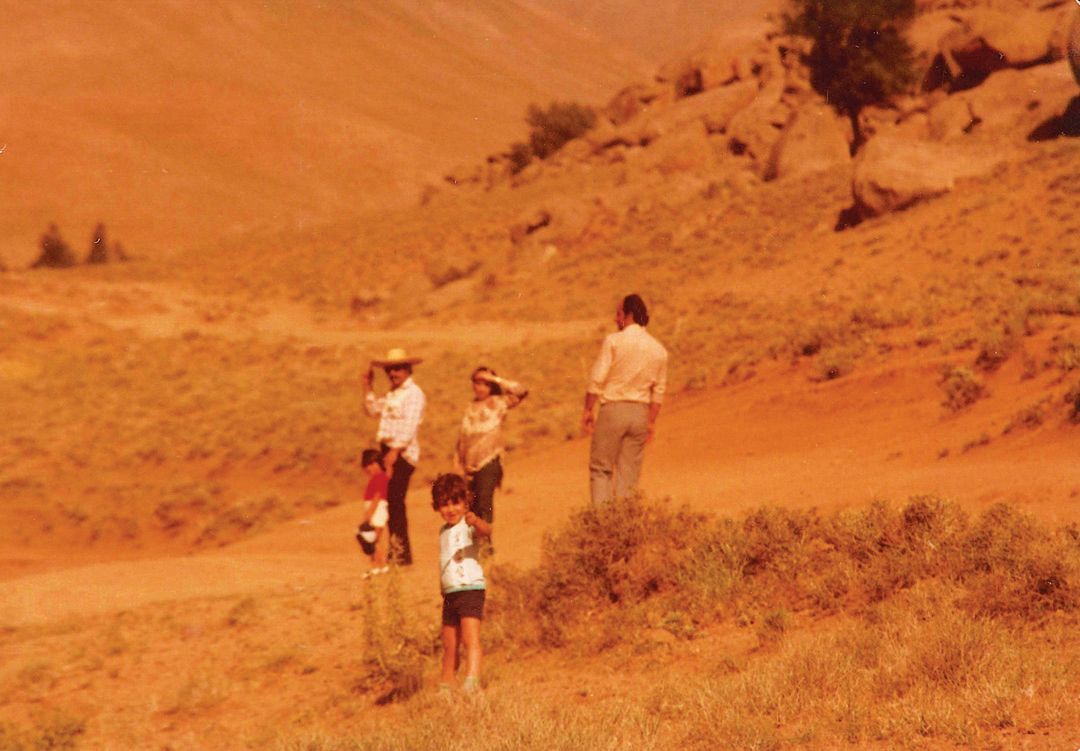
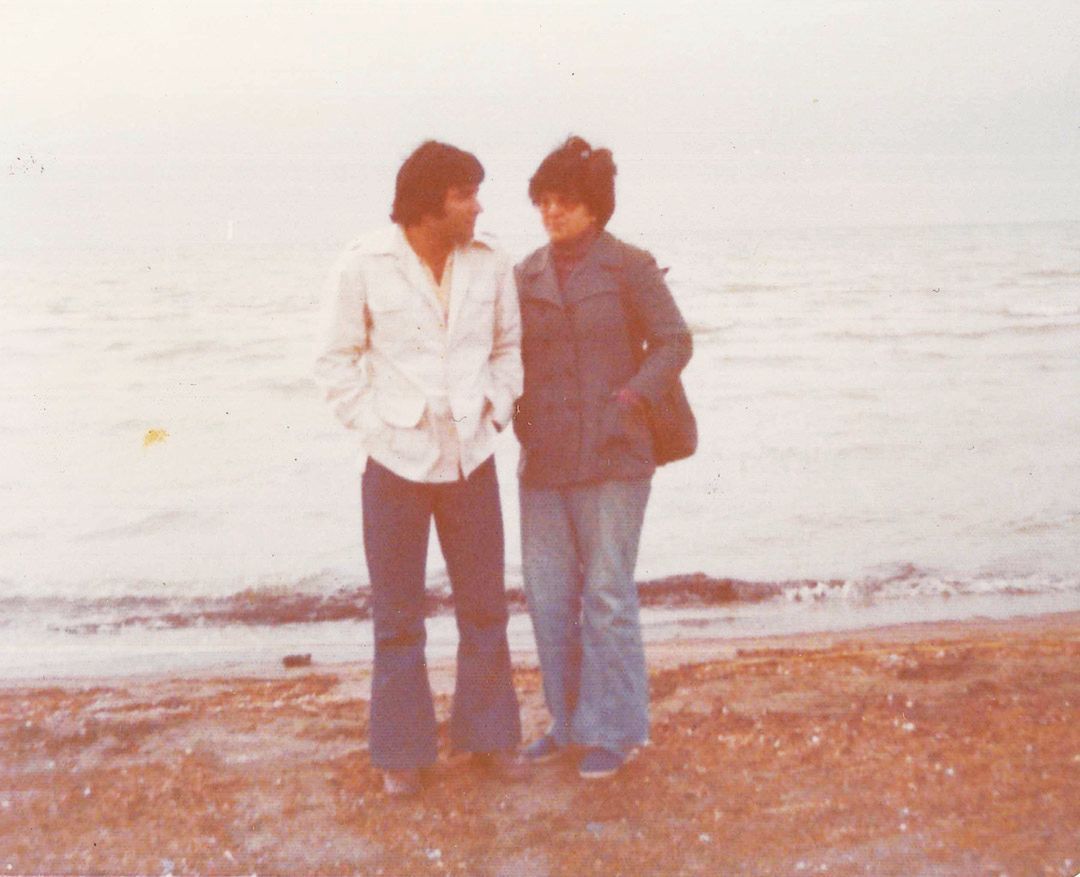
When Darya Afshari Gault flips through her mother’s old photographs from her childhood in Iran, she can’t help but feel a profound sense of nostalgia for the country her family left behind. In one sepia-toned photo, her mom wears bell-bottomed jeans, a double-breasted blue coat and sunglasses, as her full head of hair flares up in the wind on the shores of the Caspian Sea in northern Iran. In another shot, she wears the same blue coat in a grove of persimmon trees. In another, she’s on a blanket, picnicking on the beach.
These were the bygone days of 1970s Iran, when young people embraced modern fashion, and women could let their hair down. Darya remembers these times fondly—the family vacations to the mountains, the dancing and the feasts of Persian food. By 1979, however, those customs would be all but erased by the Islamic Republic that took power, suppressing freedoms for its citizens, especially women, who have had educational and career opportunities taken away and been mandated to conceal their hair in hijabs since the Islamic Revolution. In 1986, Darya and her family left Iran for the United States. They never returned.
Now that Iran is at war again, its economy in shambles and its residents killed for protesting the government, the fond memories Darya has have become bittersweet. “For many Iranians, including myself and my family, there hasn’t been much freedom to proudly celebrate the food or celebrate the culture without the political shadow following us,” said Darya, who opened Lemon Press in 2015 with her cousin, Rachel Afshari. “Sharing Persian cuisine, something that should be happy and joyous, wasn’t comfortable. What’s changed now is that people in America are becoming aware of the differences between the regime and the Iranian people. They’re seeing the courage of the Iranian population and understanding the culture has been living under oppressive systems for decades. Awareness has created space for us to be proud and share our heritage."
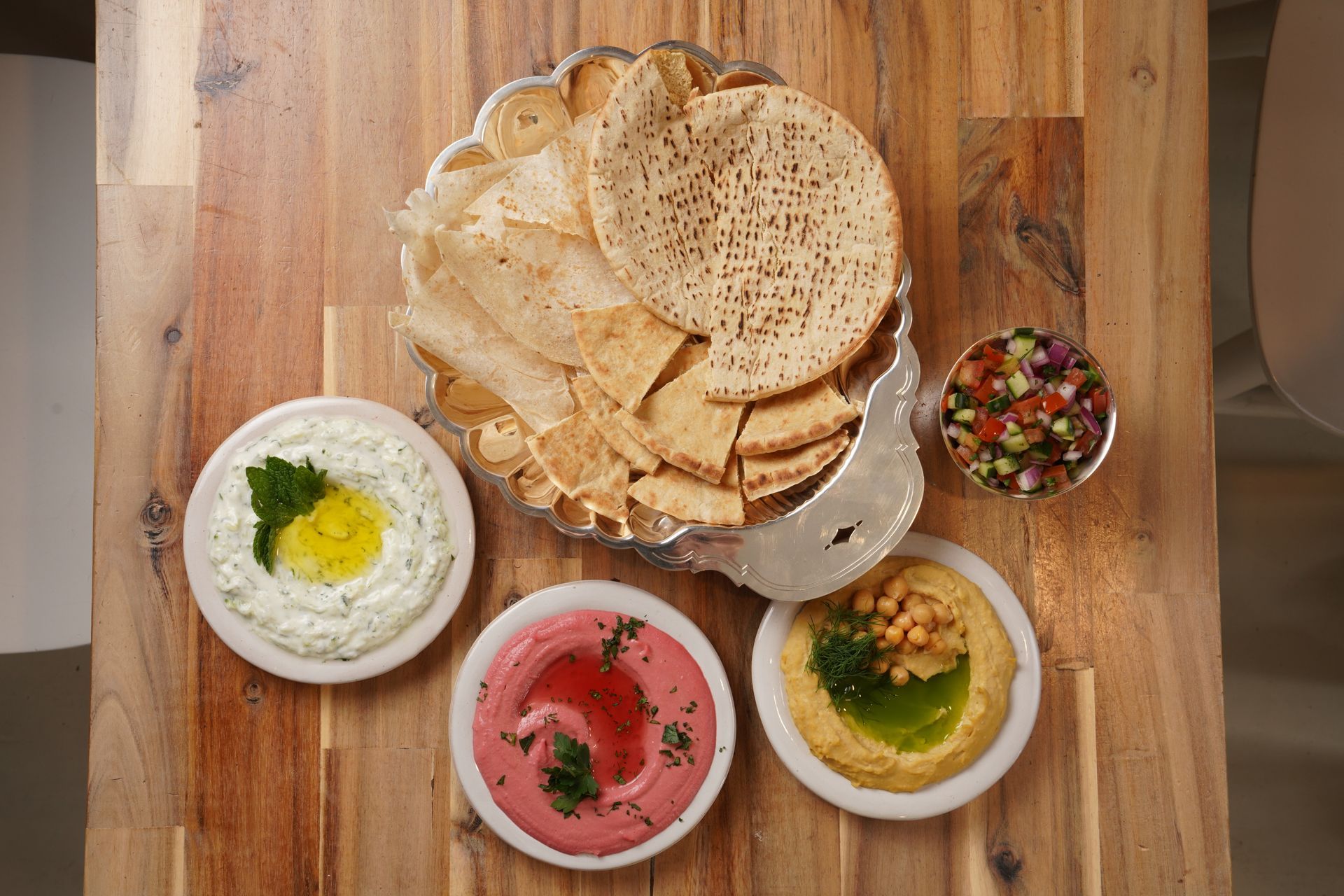
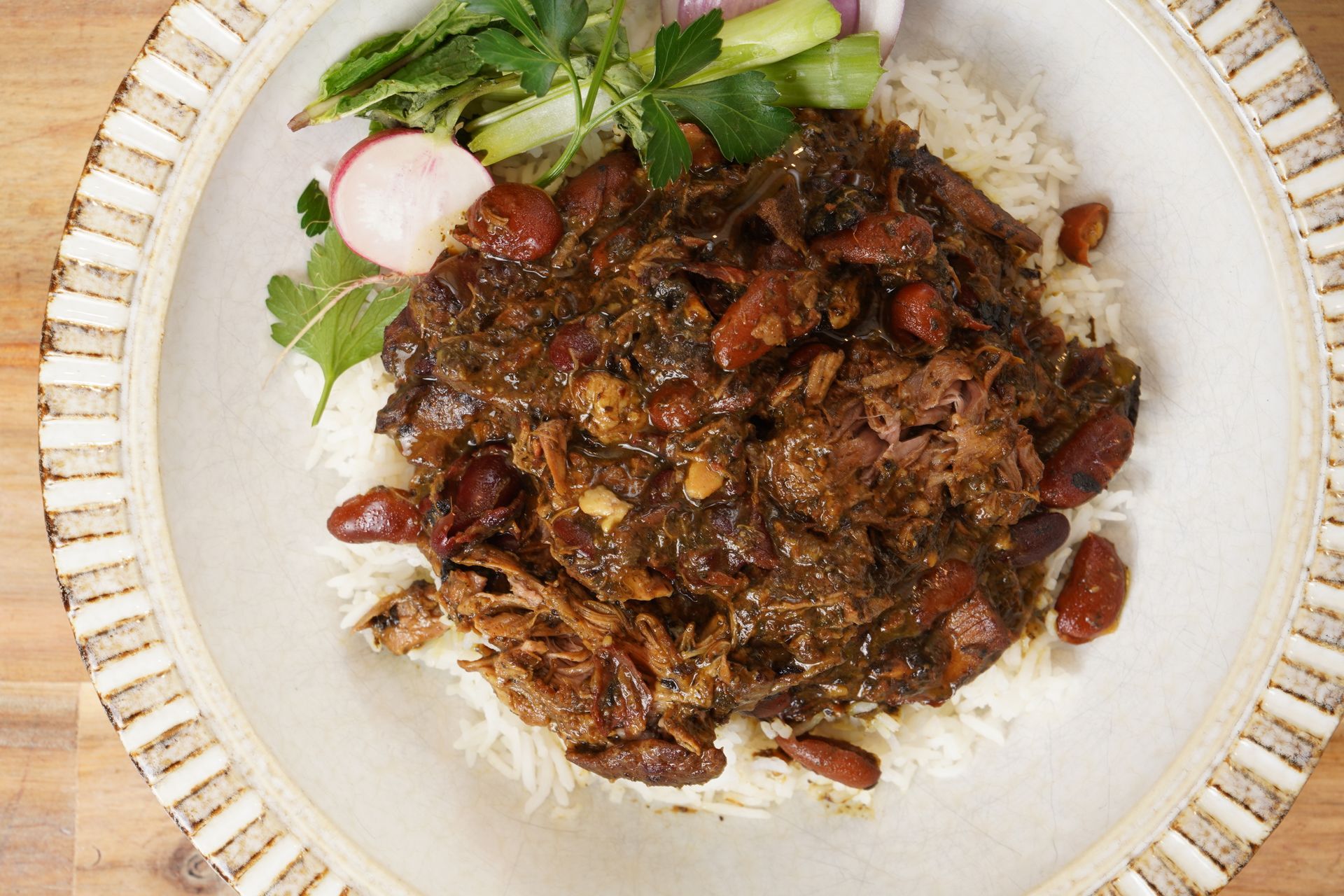
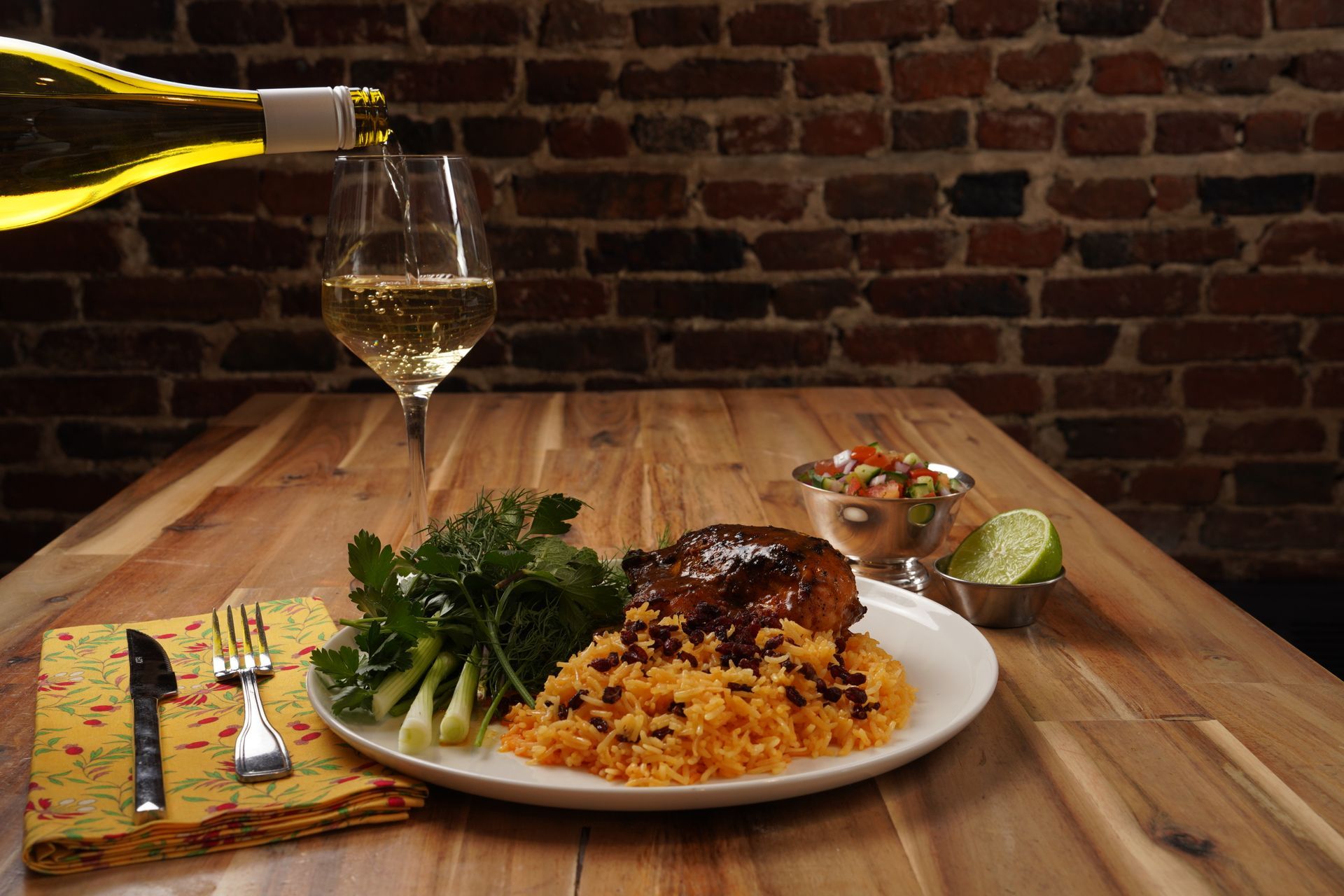
Last summer, Darya and Rachel decided to fully embrace Persian cuisine on their dinner menu in a way they had not in their first decade in business. The menu now includes dishes like lamb shoulder, called Khoresht Gohmeh Sabzi, saffron rice, cucumber mint yogurt, Persian mussels, tomato-cucumber salad and skewers of Joojeh Chicken, Steak Bargand Lamb Koobideh.
“Food is one of the most powerful ways to reconnect with our identity,” Darya said. “Persian cuisine is deeply rooted in history, family and hospitality. For us, embracing it fully at Lemon Press is really about regaining that confidence and saying, ‘This is who we are, this is our culture, and we’re proud to share it.’ And honestly, Persian food is just insanely delicious, period.”
For months, Iran has been in headlines on the world stage, with widespread protests over the economy’s collapse, political executions, women’s rights and the repressive so-called moral police of the Islamic Republic. In February, the United States and Israel bombed Iran, killing Ayatollah Ali Khamenei and prompting widespread Iranian retaliation. As tensions in the country escalated, the owners of Lemon Press have offered their support for the Iranian people from afar, spreading the message that Iran’s culture cannot be suppressed by people in power. It’s not lost on them that a woman-owned business like Lemon Press simply would not exist in Iran.
“If our family didn’t leave, I would not have the same freedoms,” said Rachel, whose father was born and raised in Iran. “[The Persian menu] is about sharing the story and drawing attention to the culture and heritage, and showing that Iranian culture is not the Iranian government. This regime does not reflect what we believe in. The culture and the heritage are so old and so beautiful and deserve to be celebrated. The way that we can do that and support our culture is by sharing this in our community and honoring our traditions.”
Food has always been central to Persian culture. Growing up, some of Darya’s core memories were formed around the dinner table at the family house in Khorramdarreh. Less than 100 miles from the Caspian Sea in northern Iran, Khorramdarreh was where she learned to ride a bike, where she picked from the almond and cherry trees in the yard and where her dog Goorgie would escape to the neighbors’ chicken coop. One time, she climbed to the rooftop with the neighbor kids to watch what looked like fireworks. She didn’t know it then, but they were watching bombs explode on the horizon—part of the Iran-Iraq War. From a distance, they were beautiful.
The bombings would come closer to home, where Darya and her sister would hide in the basement. The marble and glass in the house would shake violently as the explosions set off outside. Nothing would calm her sister, who wanted nothing else but her Raggedy Ann doll. “For me to look at it as an outsider, the only thing different between me and an Iranian girl there now is that I got to leave in 1986,” Darya said. “I would be a different woman if I didn’t get to leave. Iran would be a different country if [Ayatollah] Khomeini didn’t take over.”
Darya’s parents took her to Florida, where she attended middle and high school before moving to Nantucket. The daughter of an engineer and an entrepreneur, Darya always knew she wanted to start a business, and she has now established two on the island: Darya Salon + Spa and Lemon Press. But for years, she kept the Persian side of her on the back burner. Until the menu change last summer, Lemon Press had offered only hints of Persian spices like saffron and sumac, with the menu primarily a fusion of flavors from around the Mediterranean and the Middle East.
“We’ve always wanted to fully embrace Persian food,” she said. “It’s part of who I am and part of my culture, but for a long time there was a stigma attached to anything Iranian because of the misunderstanding between the Iranian people and the Islamic Republic. A lot of people outside of Iran unfortunately associate the government with the people, and that’s simply not the reality.”
Lemon Press is keeping Mediterranean staples on its breakfast and lunch menus, but by dinner time, the menu is firmly Persian. “We always would say we’re Mediterranean and Middle Eastern flavors, but every time we go to a dish that we love, it’s Persian,” Rachel said. “It’s herbs, it’s saffron, it’s yogurt. People are hungry for this.”
There’s a term in Farsi—the language of Iran—called taarof, which loosely translates to politeness, etiquette and hospitality. When Darya and Rachel think back to their childhood memories of food, it’s often their grandmother offering food and refusing to take no for an answer. Any time they met for a family meal, they would be sent home with Tupperware containers of leftovers. That kind of Persian hospitality is something they hold on to at Lemon Press, a way to share the cuisine they grew up with and reconnect with the cultural identity of their parents and grandparents.
They also hope the menu can serve as a message of hope for Iranians, that one day, after the war and political unrest, women will once again have the freedom to start careers, educate themselves, let their hair down and live the lives Iranians once did. “It would be great for an Iranian woman to read an article like this and say, ‘This could be us again,’” Darya said. In reconnecting with their roots through food, the move to a Persian menu has also inspired them both. “Once Iran is open,” she said, “we’re going.”
Latest Stories