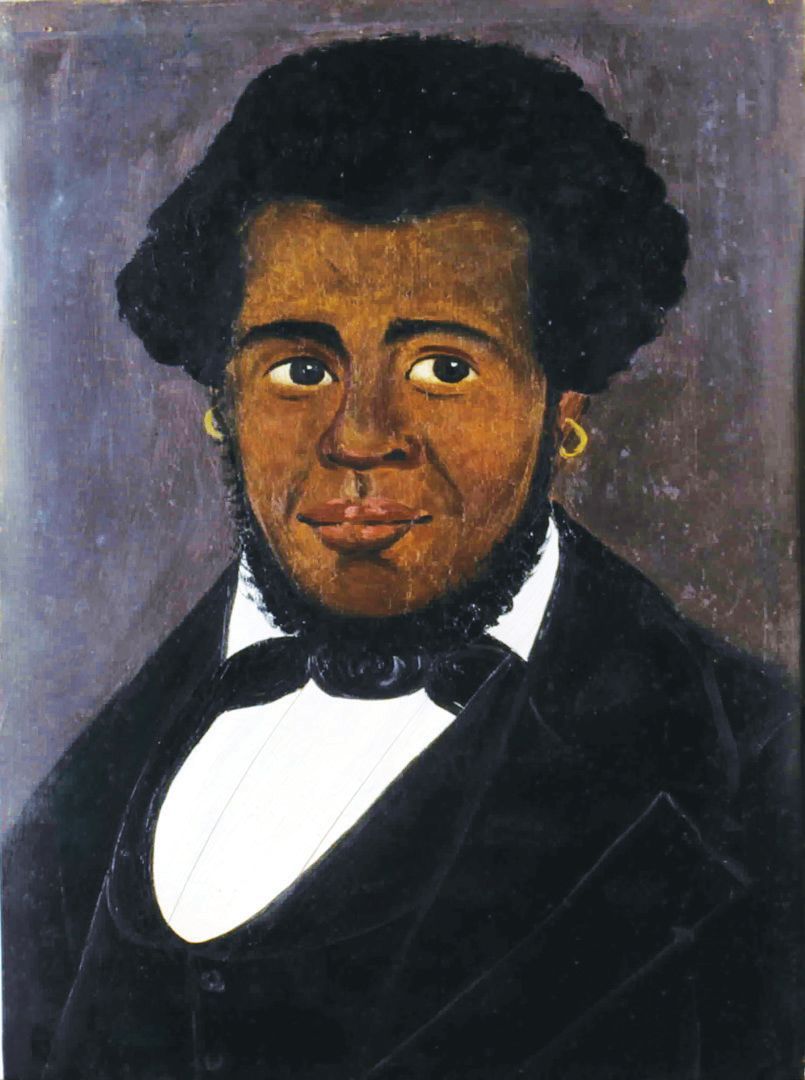
Boston not only captained an all-Black whaling crew on the whaleship Industry—a six month voyage across the Atlantic—he also became an entrepreneur, shopkeeper and an innkeeper when he returned to the island. He helped create the African Meeting House and was active in Nantucket’s abolitionist movement and ran for public office.
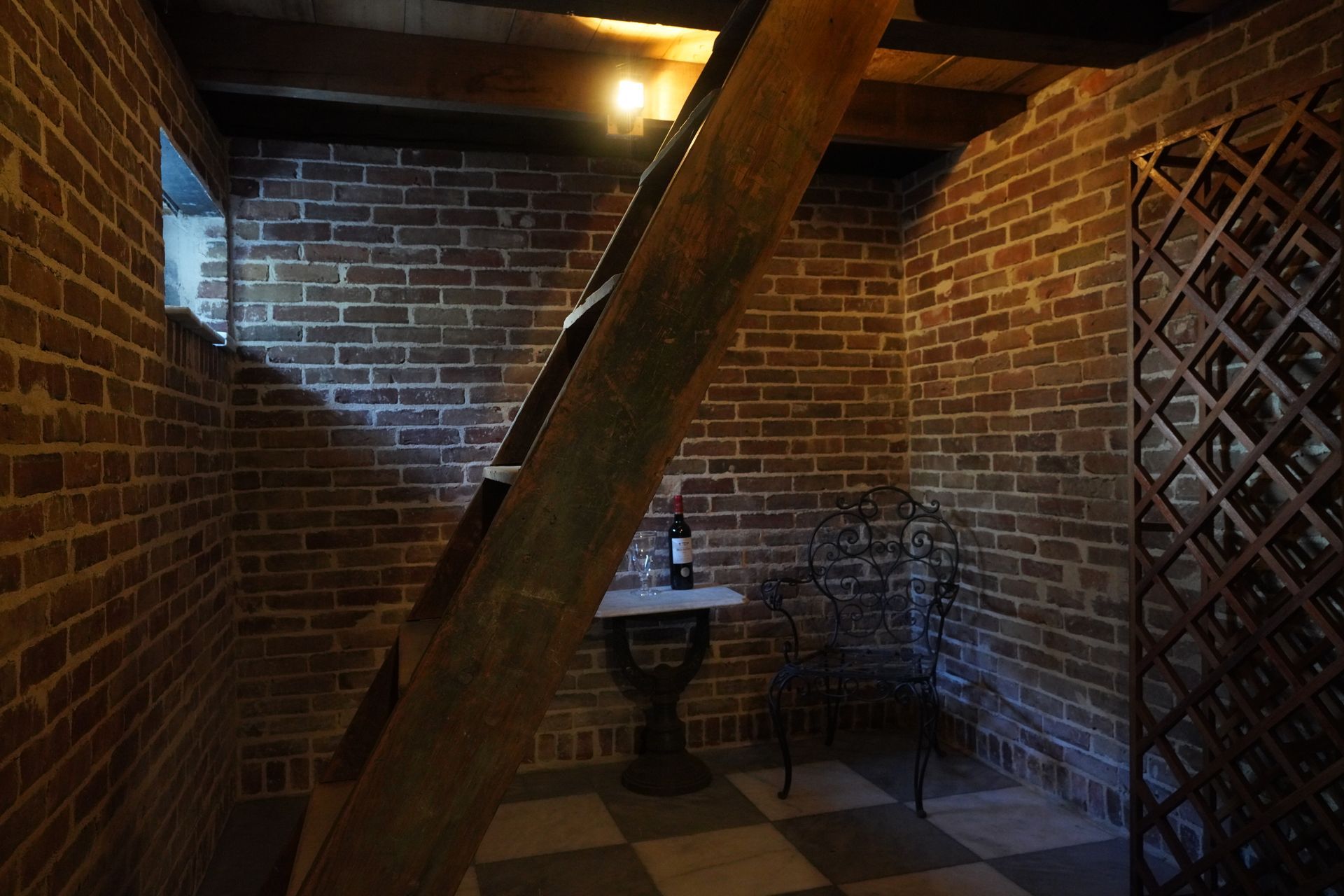
While fully renovated, his house still stands at the corner of Pleasant and York streets, and is now owned by the Museum of African American History. It is called the Seneca Boston - Florence Higginbotham House, taking its name in part from Absalom’s father Seneca.
In 1846, he sued Nantucket’s segregated public school to admit his daughter, Phebe. The case made its way to Massachusetts Supreme Judicial Court. Facing mounting pressure, Nantucket desegregated its schools in 1846, and Boston’s daughter was admitted. Hannah Cook Boston, meanwhile, was a pioneer in her own right. Not only did she play a role in school desegregation, but she was the first female steamship stewardess on the S.S. Island Home. “Hannah was a pioneer,” island historian Frances Ruley Karttunen said.