No Mow May
The environmental benefits of skipping May mowing
Written by Brian Bushard
Photography by Kit Noble
Sarah Johnson wasn’t looking for an excuse to skip mowing her lawn. Then she heard about No Mow May, a national program gaining traction on Nantucket as a simple and environmentally friendly first step to bolster the health of your yard, help bees and pollinators and reduce the need for harmful fertilizers and herbicides. The grassroots initiative is as simple as its name suggests. Ditch the lawn mower for the month of May.
“We don’t have to have perfectly manicured yards,” said Johnson, a biologist and a member of the Nantucket Garden Club. “That’s the problem with the chemicals we have in our environment. Everyone thinks they need perfect hedges and perfect lawns, but that’s not what we have in nature.”
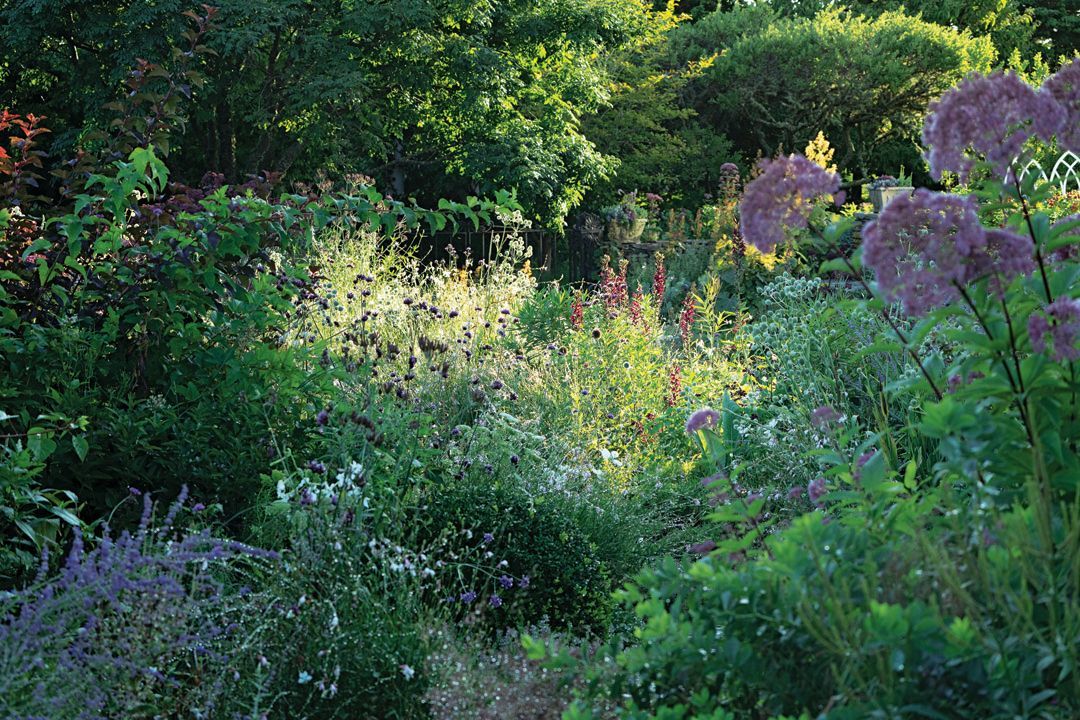
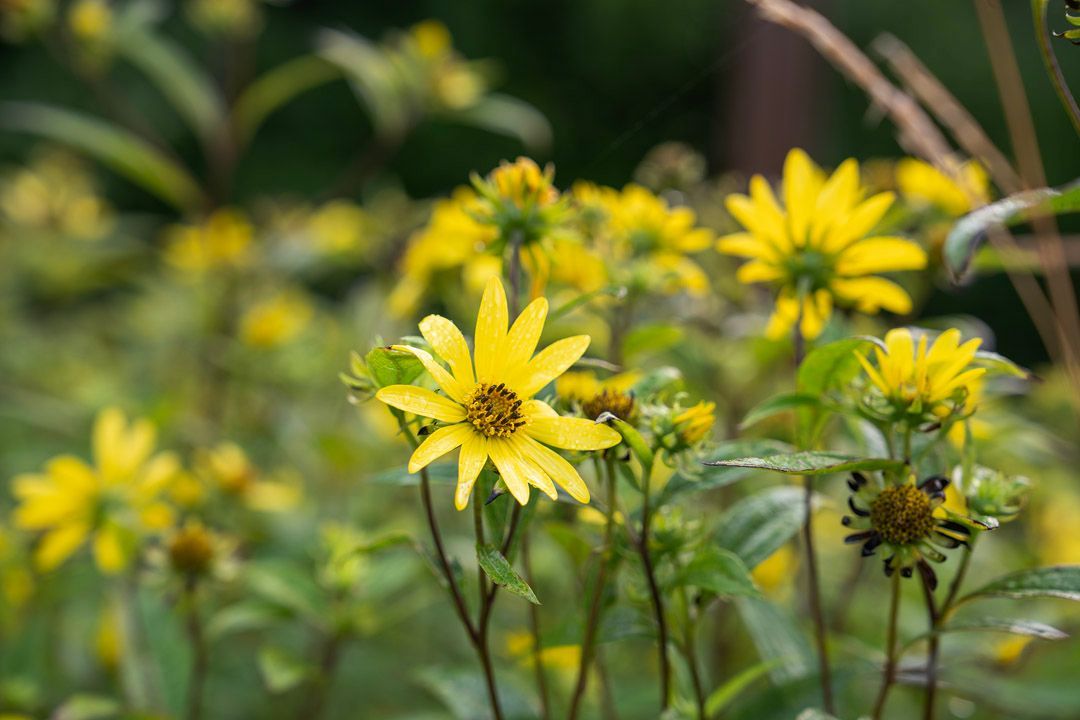
Instead of a manicured green lawn, proponents of No Mow May encourage property owners to allow native grasses and plants to bloom, whether it’s across an entire lawn or just a portion of one. By protecting grasses from the mower’s blades—even for just a month—islanders allow native flowers like violets, clover and dandelions to bloom. Those spring flowers provide food for critical pollinating butterflies and bees, which have experienced a catastrophic population decline nationwide as a result of pesticides, herbicides, habitat loss and viruses.
“When you participate in No Mow May, it will look like your lawn hasn’t been mowed, which I know can be daunting on Nantucket,” said Willa Arsenault, environmental program coordinator at the Nantucket Land & Water8 Council. “There’s social pressure around aesthetics, and we’re proud of the way our island looks, which is important. But those aesthetics don’t have to be the be-all and end-all of what a lawn is. If you do No Mow May, your lawn may look a little wild, but that’s actually really good. It’s what our environment needs and what our local habitat will thrive off of."
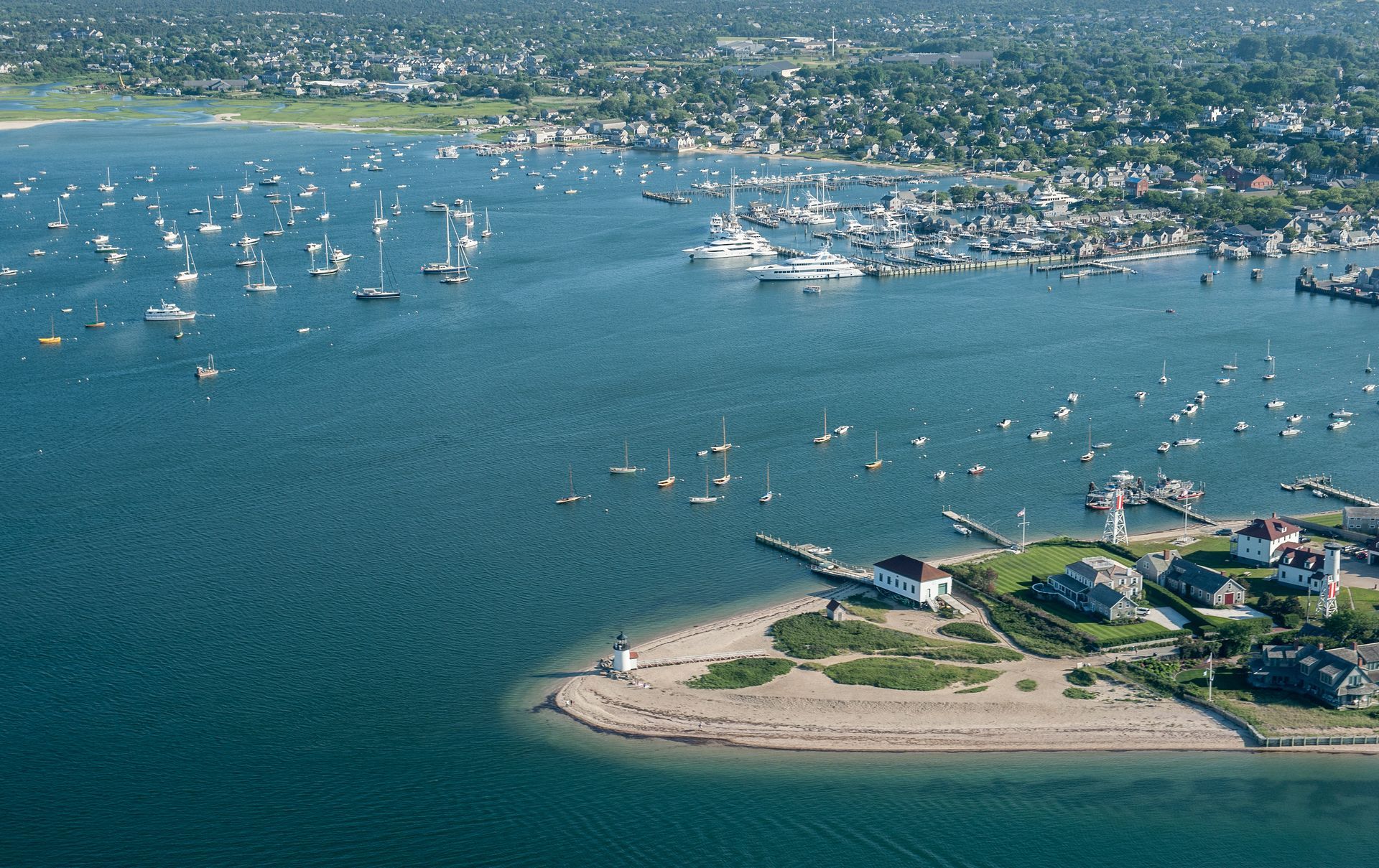
This year, the Land & Water Council and Nantucket Garden Club are encouraging islanders to participate in No Mow May as an alternative to traditional, resource-intensive pristine green lawns. It comes as concerns over water and fertilizer use come to a head on the island. Nantucket currently sits in a level-two “significant drought.” State officials have placed the island in at least a “mild drought” for nearly a year, prompting the town last summer to implement mandatory water use restrictions for property owners and cancel last year’s annual Fourth of July water fight.
Ecologists estimate a conventional lawn requires 100 gallons of water for every 1,000 square feet on a hot summer day. Giving grasses time to grow stronger in the early months, on the other hand, allows grass roots to grow deeper, making a lawn more drought-resistant and reducing the need for watering later in the season. There’s also the time and money saved by not mowing your lawn every week or two, as well as the reduction in noise and carbon emissions, and a drop in fertilizers and herbicides, which are not needed for native plants. Cutting back on chemical applications to green lawns can reduce the flow of nutrients into the harbors, which has been associated with habitat8 decline for marine life, especially eelgrass needed by Nantucket bay scallops.
Reducing fertilizer and herbicide use also has positive effects on freshwater bodies, which have seen an increase in harmful algal blooms. Those blooms, which often appear as a blue-green scum at the surface of freshwater ponds, have been linked to skin rashes, headaches, stomach pain and coughing, and can be fatal to wildlife and pets that come in contact with the algae.
“With Nantucket, we know that our lawn care is a source of our present environmental concerns, like nutrient loading in the harbors and the ponds,” Arsenault said. “Every year we see harmful algal blooms. People have noticed our freshwater ponds are not doing as well as they could, and a big part of that is lawn fertilizer. By starting to have your lawn be a little more naturally resilient and more native, it will give people a more balanced lawn, so they can rely less on mitigation techniques like fertilizers and herbicides.”
When the month of May ends, the Nantucket Land & Water Council suggests using additional environmentally friendly measures on your lawn that can last throughout the season. That could mean mowing your lawn every other time you otherwise would or setting your lawnmower blade to a higher setting off the ground. It could also mean introducing more native plants, which require fewer chemicals and water.
“You start realizing that not only do you have butterflies and wildlife in your yard, that it’s the beauty of nature to allow [yards] to become wild again,” Johnson said. “Nature does everything. It suppresses weeds and requires less fertilizer. What’s supposed to be there doesn’t take nearly as much work or money.”
Latest Stories